


Still life painting is a timeless art form that has been practiced for centuries. It requires patience, skill, and an eye for detail to master the craft. From the careful selection of your subject matter to applying paint to canvas, there are many elements that go into creating a successful still life painting. Whether you’re just starting out or looking to refine your technique, mastering the art of still-life painting can be both rewarding and fulfilling. In this article, we will explore the various aspects of still-life painting and provide helpful tips on how to create beautiful works of art. So grab your supplies, sharpen your skills, and let’s get started!

Definition of Still Life Painting
Still life painting is an art form that focuses on the representation of inanimate objects. It has been practiced since antiquity and can be found throughout history in many forms, from ancient Egyptian murals to Dutch Golden Age paintings. The subject matter consists of everyday items such as fruits, flowers, plants, books, bottles, and other objects arranged in a pleasing composition. Common techniques used in still life painting include oil painting, watercolor, gouache, and acrylics. Still life paintings are often used to portray symbolism or convey a message but they can also be created simply for their visual beauty. Through careful selection and placement of elements, artists can create stunning works of art that capture light and shadows to create depth and movement.
Overview of the Process Involved in Creating a Still Life Painting
Creating a still life painting involves selecting a composition, working with light, applying paint, and adding finishing touches. This includes choosing the subject matter, arranging objects, using color and shapes, understanding lighting, applying paint, adding details, and framing the painting. These processes help artists create captivating and realistic still life paintings.
Selecting a Composition

The composition of a still life painting is an important element to consider when creating a visually appealing artwork. Choosing the right subject matter can help set the mood and provide a focal point for your painting. Placing and arranging objects in an aesthetically pleasing way is also essential for creating a successful drawing. Utilizing color and shapes to create contrast, harmony, balance, and depth are all key elements of composing an effective still life painting.
When selecting your subject matter, it’s best to start with simple objects such as fruits or flowers that have interesting textures and vibrant colors. When arranging these objects in the composition, think about how they will interact with each other within the frame. Consider their size in relation to each other, how much space you want between them, and how placing one object in front of another affects the overall look of the painting.
Color theory plays an important role in still life painting. By using complementary colors together, artists can create interesting pieces that draw viewers’ eyes around the canvas. Taking advantage of warm and cool tones can add contrast or emphasize certain areas depending on what you are trying to convey with your artwork. In addition, utilizing different shapes to create patterns can give your work visual interest while adding depth through overlapping or layering objects helps bring dimensionality to your piece.
By carefully considering elements such as subject matter, placement, color, and shapes artists can create stunning still life paintings that capture light and shadows to create movement throughout the composition.
Working with Light
Light plays an important role in still life painting, as it can add depth and drama to any composition. Understanding how to manipulate light when painting in oil will help you create stunning paintings that capture the essence of your subject matter.
When working with natural light, consider the direction from which the sunlight is coming and what shadows are being created by this light source. This is a great way to explore and experiment with different lighting scenarios before committing your work to canvas. Additionally, you can use artificial lightings such as lamps or studio lights for more control over your lighting setup.
In addition to controlling the direction of light, shadows, and highlights in your painting can bring life to an otherwise dull composition. To create these elements, start by experimenting with different angles of light and dark tones on each object in the scene. This will help you understand where shadows should fall and how they interact with other objects within the painting.
Finally, common lighting setups for still life paintings include one-point or three-point lighting setups as well as window-light or skylight setups. Each of these techniques has its own advantages depending on what look you are trying to achieve with your artwork. Working through each setup will give you a better understanding of how best to utilize natural or artificial light when creating a still life piece.
Applying the Paint
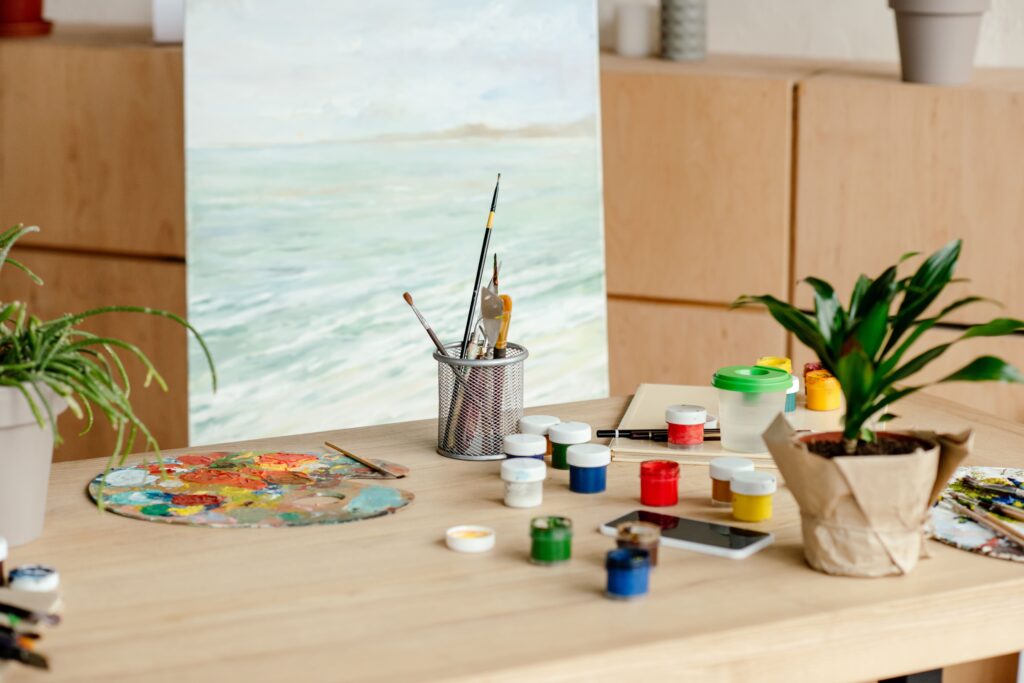
Painting a still life is an enjoyable and rewarding experience, but it requires the right supplies and knowledge of color theory to achieve success. When selecting your media and supplies, take into consideration the size of your painting, the colors you plan to use, and the desired finish.
Once you have gathered the necessary materials, understanding basic color theory will help you choose colors that work well together. Color mixing is an art form itself and can be intimidating for beginners. To ensure that colors mix properly on canvas, start by experimenting with small swatches or color tests before committing to a full painting. This will help you understand how different colors interact with one another and create depth in your composition.
Finally, when it comes time to apply paint to canvas or board, practice patience as each layer needs time to dry between applications. Additionally, having patience with yourself as an artist is key to mastering the art of still life painting! As you become more comfortable working with media and manipulating light within a composition, these skills will become second nature.
Finishing Touches
Once you have reached the final stage of your painting, it is important to take a step back and evaluate the composition. It can be helpful to take a photograph of the painting or view it through a mirror so that you can gain an unbiased perspective. Evaluating your painting will help you decide if there are any necessary adjustments such as changes in color, texture, or composition that need to be made.
To make your painting look more realistic, adding detail and texture is essential. Stippling, dry brushing, and glazing are popular techniques commonly used to finish still life paintings. These effects can be added with various mediums such as modeling paste and acrylic gels to create a unique look within the piece.
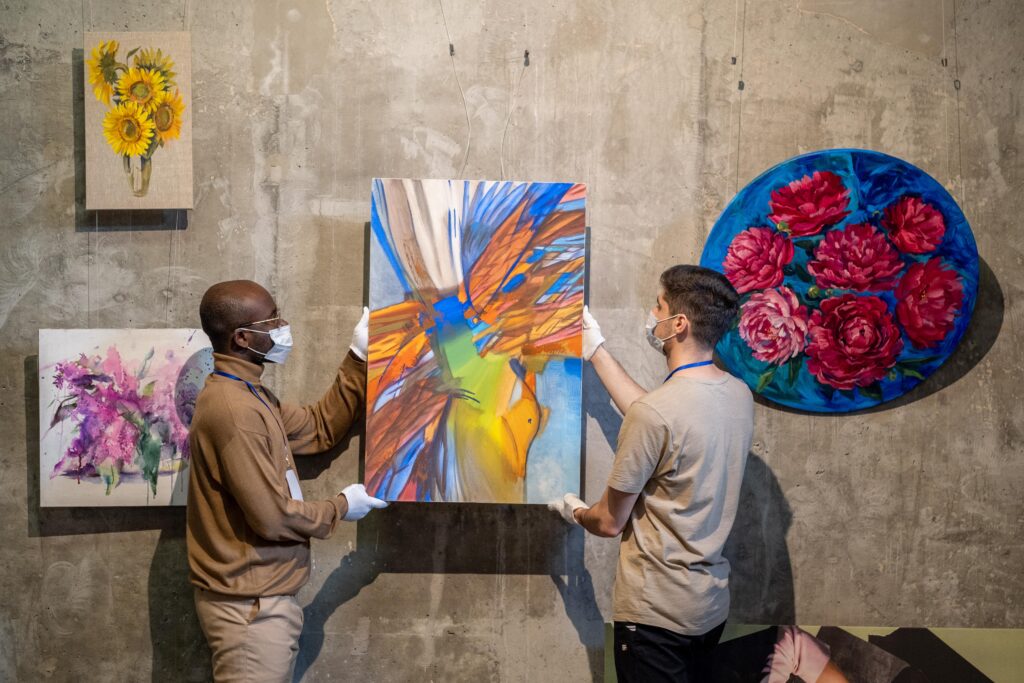
Finally, once your painting is complete, framing and displaying it properly is key for showcasing its beauty! Properly selected frames will enhance the artwork while protecting it from outside elements. Whether framed or not, a well-crafted still life painting will act as both a visual treasure trove and a conversation starter in any space!
Conclusion
The conclusion of creating a beautiful still life painting is an incredibly rewarding experience. Not only have you created an artwork to be admired, but you have also gained the knowledge and skills that will be invaluable for your future paintings! Taking the time to master the fundamentals as well as advanced techniques will help ensure that each painting is unique and crafted with skill. With practice, dedication, and patience, your still life paintings will become works of art for you and others to enjoy.

