

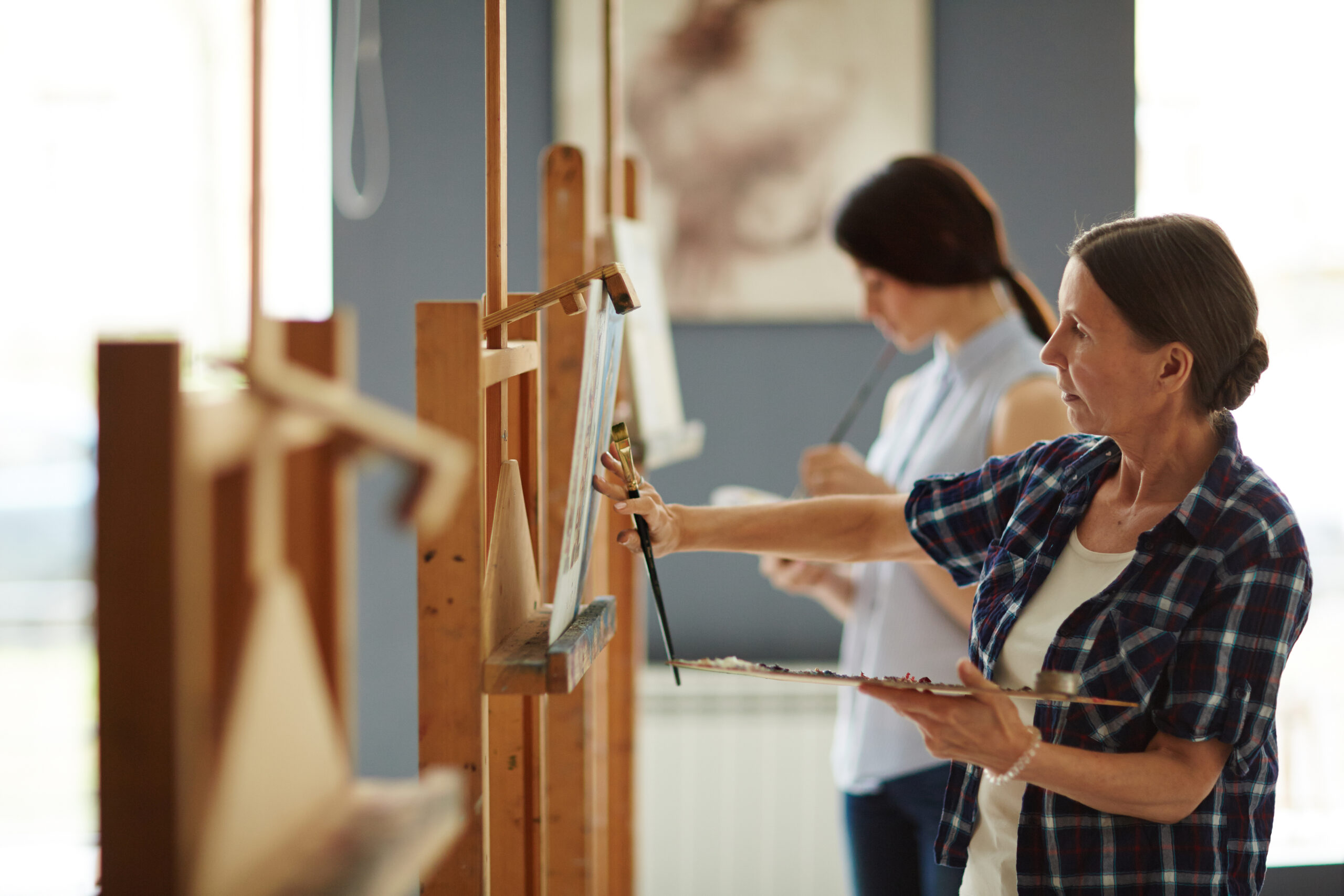
Painting can be an incredibly expressive form of art, with the ability to evoke emotion and capture a moment in time. Blending colors is an important part of the painting, as it allows artists to create beautiful gradients and create depth in their work. Whether you’re a beginner or an advanced painter, learning how to blend colors effectively is essential for creating stunning pieces. In this article, we’ll explore some techniques and tips for blending colors in your paintings.
Definition of Blending
Blending is a painting technique used to create smooth transitions between colors. It occurs when two or more colors are mixed together and gradually fade into one another. This can be done using acrylic paints, oil paints, or other mediums. Blending allows you to create gradients, shadows, and highlights, and add depth to your artwork. By carefully controlling the amount of paint used and the direction of brush strokes, artists can achieve a range of beautiful effects through color blending.
Common Techniques for Blending Colors
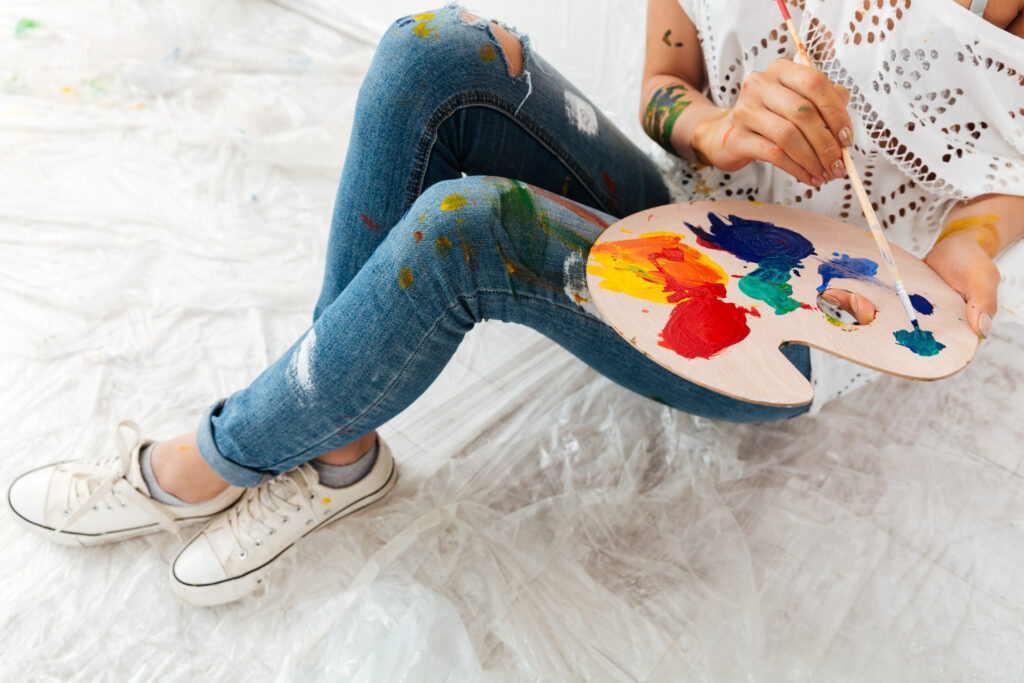
One of the most common techniques for blending colors in a painting is wet paint. This involves applying a thin layer of paint to the area and then using a clean brush to blend the edges of the paint together. The brush should be damp but not wet, as too much water can make the paint run. Smooth blends can also be achieved by using a dry brush technique. Dry brushing involves using a soft brush with just a bit of paint on it to create soft edges and gradual transitions between colors. For oil paintings, you can use a wet palette to keep your paints moist while you work.
Glazing involves layering transparent colors over each other to create depth and richness. Scumbling is a technique where dry paint is applied in a loose, haphazard manner to create a textured effect. Finally, using a color wheel can help artists choose complementary colors that blend well together, creating a harmonious and balanced palette. Each of these techniques can be used to create unique and beautiful works of art with a range of blended colors.
Wet-on-Wet Technique
A wet-on-wet technique is a popular blending technique used by artists to create smooth and even transitions between colors. This technique works best with watercolors or acrylics, as oil paints require a longer drying time in order to blend properly. To use this method, you will need to apply a thin layer of paint and then use a damp brush to blend the edges of the paint together. The brush should be damp but not too wet, as water can make the paint run.
For best results, it is important to keep the edges clean and free from any excess paint. Once you have achieved the desired result, let the painting dry completely before adding additional layers of color.
Dry-on-Dry Technique
The dry-on-dry technique is a great way to blend colors together without creating a wet or runny effect. This technique requires you to use regular acrylic paint and a clean brush. Depending on the time of acrylic paint, it can take longer for the colors to blend together.
To use this method, start by applying a base coat of one color and let that dry completely. Once the base coat is dry, take a soft brush and apply tiny bits of paint around the edges of the first color. Then use your brush to slowly blend the colors together and create soft edges until you have achieved a smooth transition between them. If needed, you can also add a paper towel or wet palette to help soften any hard edges.
Glazing Technique
The glazing technique is a great way to create a smooth blend between two colors. This technique works best when using oil paints, but can be done with acrylics as well. To begin, start by painting a base coat of one color and let it dry completely. Then take your brush and apply a thin layer of paint of the second color over top. The idea is that the first layer should remain mostly visible, while the second adds a hint of color to transition between them. You may need to repeat this step several times until you achieve the desired effect. It’s important to keep in mind that this technique takes time, as oil paints have a longer drying time than acrylics.
Scumbling Technique
The scumbling technique is perfect for creating a soft transition between two colors. This method works best with acrylic paints but can be done with oil paints as well. To start, paint a base coat of one color and let it dry completely. Then take your brush and lightly dab small amounts of the second color onto the first layer in order to create a softer blend. You may need to repeat this step several times until you get the desired look. It’s important to use a clean brush for each color so that there is no contamination between them, and also to work quickly because acrylics dry fast.
Using a Color Wheel to Blend Colors
A color wheel is a great tool for painters who want to create smooth transitions between colors. By understanding the relationships between different hues, you can mix paints in specific combinations and shades that will create a harmonious blend.
To start, choose two or three complementary colors on the wheel and mix them together until you get the desired shade. Then apply these mixtures to your canvas in thin layers, working one area at a time. You can also use this technique to mix different shades of the same color, such as light blue and dark blue, for a more subtle effect.
Tips for Blending Colors in a Painting
Creating smooth transitions between colors is an important part of the painting and can be a tricky thing to master. Fortunately, there are some tips and tricks that you can use to make the process easier. Blending colors is important in painting to achieve a smooth transition from one color to another. Gradual color transitions should be used, starting with small areas and working outward. Experimenting with brushes and tools, using thin layers of paint, and allowing some paint to show through can all help create a natural and organic look in the painting.
Use Gradual Color Transitions
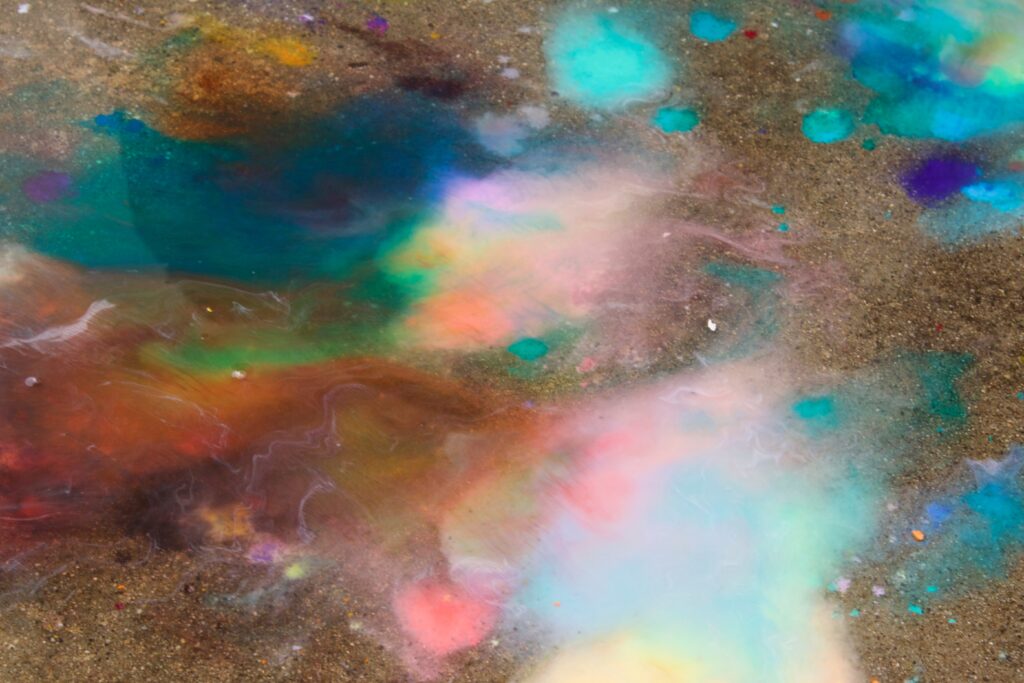
Achieving a smooth blend between two or more colors is an essential skill in painting. One way to do this is by using gradual color transitions. Start by applying a base coat of the lightest color you’re using and then work in the other colors, blending them together as you go. For acrylic paints, try using wet brush strokes to create soft edges that flow naturally from one color to another.
When working with oil paints, use soft brush strokes and let each layer of paint dry completely before adding more layers on top. When transitioning from one color to another, make sure to mix just a bit of each in the middle so that there are no harsh lines or abrupt changes in hue.
Start with Small Areas and Work Outward
When blending colors in a painting, it is best to start with small areas and work outward. Begin by mixing the colors you plan to use on a wet palette or a piece of paper towel. To help create smooth transitions between colors, try using regular acrylic paint or a bit of oil paint and apply it with a clean brush. Use soft brush strokes and work from light to dark colors, gradually blending them together as you go. To ensure your colors blend properly, make sure to give each layer enough time to dry before adding more layers on top.
Experiment with Different Brushes and Tools
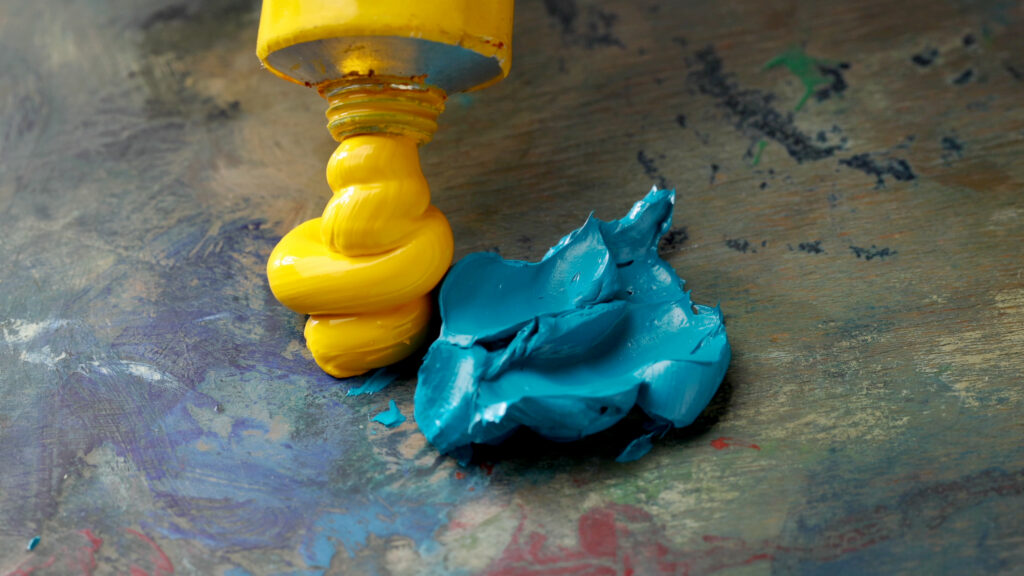
When blending colors in a painting, experimenting with different brushes and tools can help create interesting effects. Different brush sizes, textures, and shapes can be used to make subtle or dramatic changes in the look of your painting.
For example, a dry brush technique can be used to create soft edges between colors or add texture to the painting. Alternately, using a wet brush can give colors a more blended look. Additionally, you may want to experiment with adding base coats of color before layering on top with other colors.
Keep the Paint Thin to Avoid Streaks
When blending colors together in a painting, keeping the paint thin can help ensure that there are no visible streaks. Thinner layers of paint will provide a more even and subtle transition between colors than thicker layers. Thinning paint is especially helpful when transitioning from one color to another with oil paints, as they tend to be thicker and streakier than acrylic paints.
To thin the paint, mix a bit of water or medium into the simple palette until it is of a consistency similar to milk. Additionally, keeping clean brushes for each color can help avoid streaks by preventing contamination between colors.
Use Palette Knives and Sponges to Create Textures
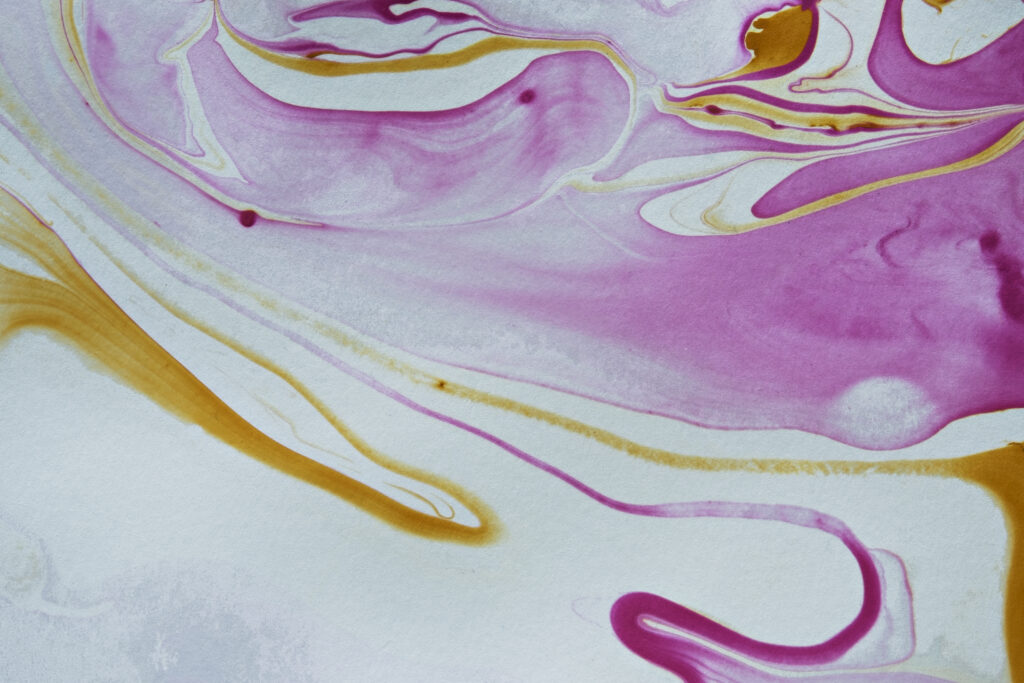
Palette knives and sponges are great tools for creating interesting textures in your painting. Using a palette knife to mix colors together can give you a unique marbled effect. When using this method, it is important to keep the paint thin and make sure that the colors you choose will blend well together.
Sponges are also useful for adding texture to your paintings, as they can be used to create small dots or circles of paint on the canvas. When using sponges, it is best to start with a light base coat and build up layers of color until you achieve the desired effect. Depending on the type of paint you are working with, you may need to wait for each layer to dry before adding more paint on top.
Don’t forget to Allow Some of the Paint to Show Through
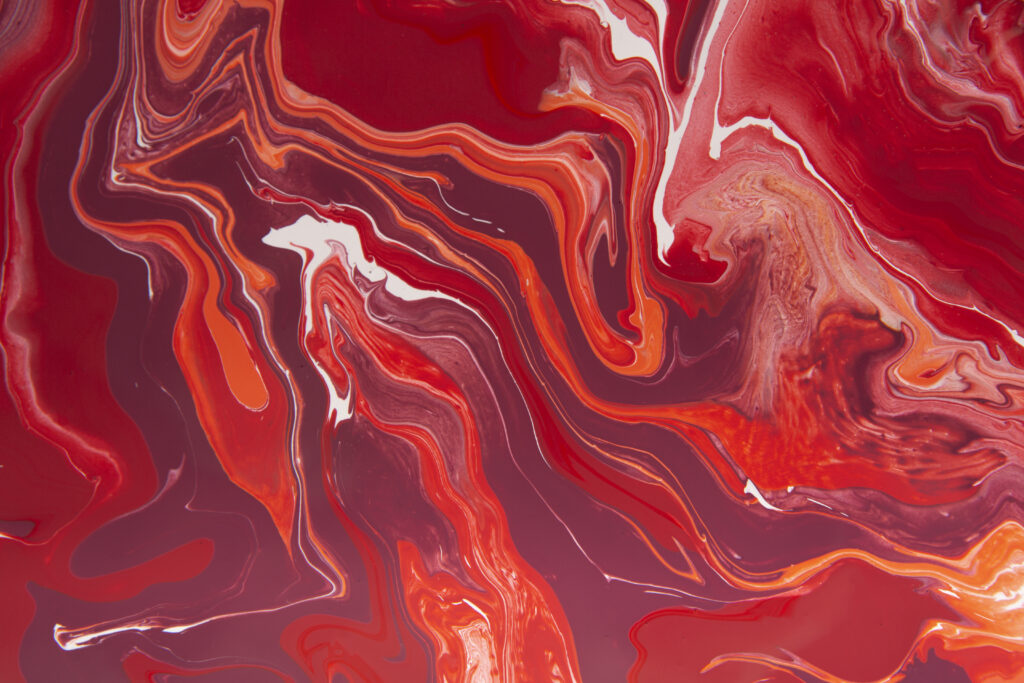
When painting, it is important to create a balance between the colors and allow some of the paint to show through. This will add depth and texture to your painting and make the colors appear more vibrant. To achieve this effect while blending paint, try leaving some small areas of paint untouched or use a dry brush technique with a light touch.
You can also use a wet palette to mix two colors together before applying them to your canvas, as this will help you create soft transitions between different shades. Finally, don’t forget to experiment with different mediums such as oil paints or regular acrylic paint–each one has its own unique properties when it comes to color blending.
Conclusion
In conclusion, blending colors in a painting requires patience and practice. With the right techniques and tools, you can create smooth transitions between different shades of paint and create beautiful works of art. Start by choosing two complementary colors and mix them together using a wet palette or a brush stroke technique. Keep your brush clean to ensure that the edges are soft, and don’t forget to leave some small areas of paint untouched for depth and texture.
Finally, experiment with different mediums such as oil paints or acrylics to find one that works best for you. With the right technique and patience, you can easily create amazing paintings with beautiful blends of color.

