

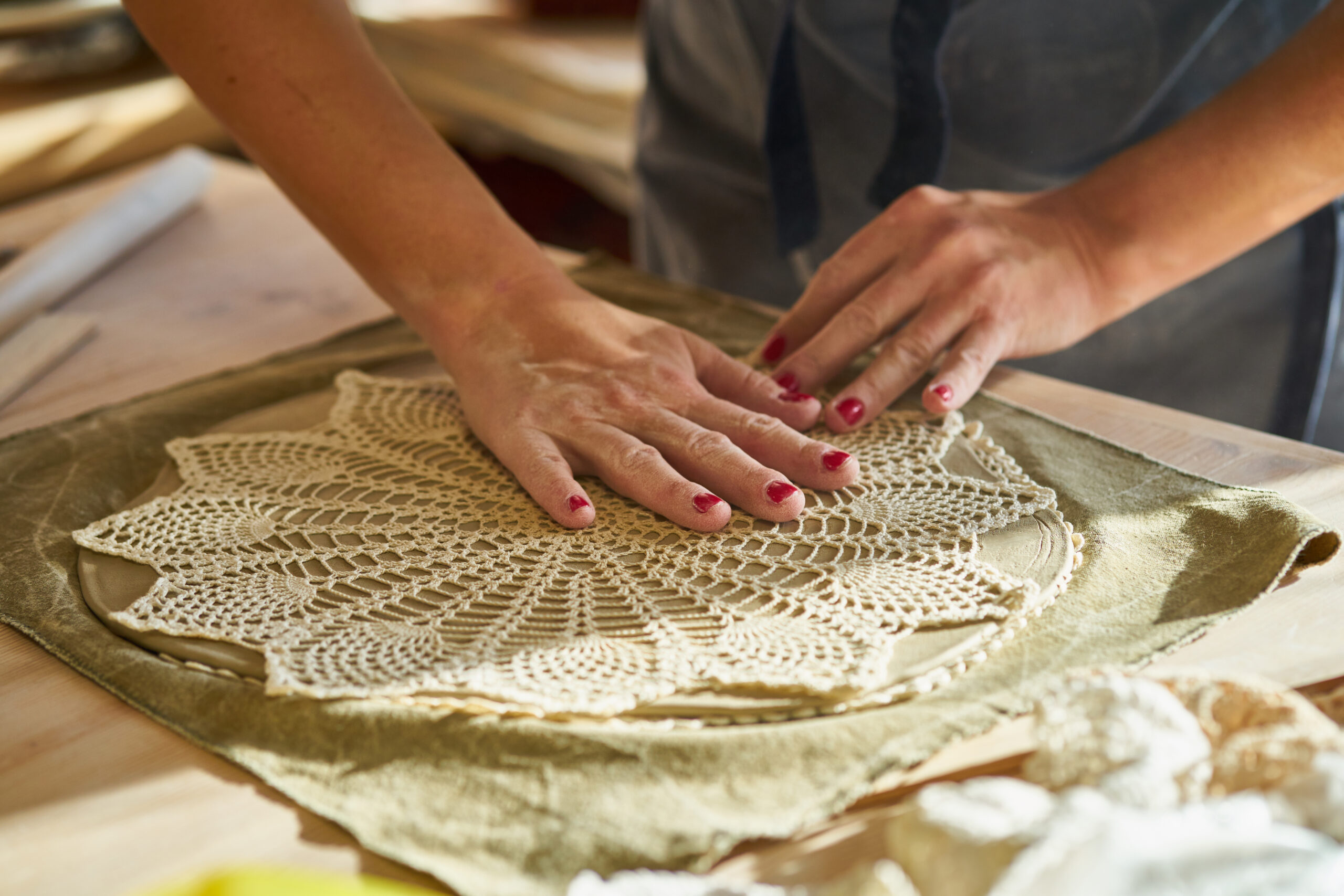
Sculpting is an ancient art form that has been around since the dawn of civilization. From the intricate marble carvings of Ancient Rome to the bold steel structures of modern sculpture, it’s no wonder that sculpting has become such a beloved and timeless form of expression. But what are the different types of sculpture? In this article, we’ll be exploring the various types of sculpture from stone carving to glassblowing, delving into their history and discovering what makes each type unique. So buckle up and let’s take a journey through the wonderful world of sculpting!
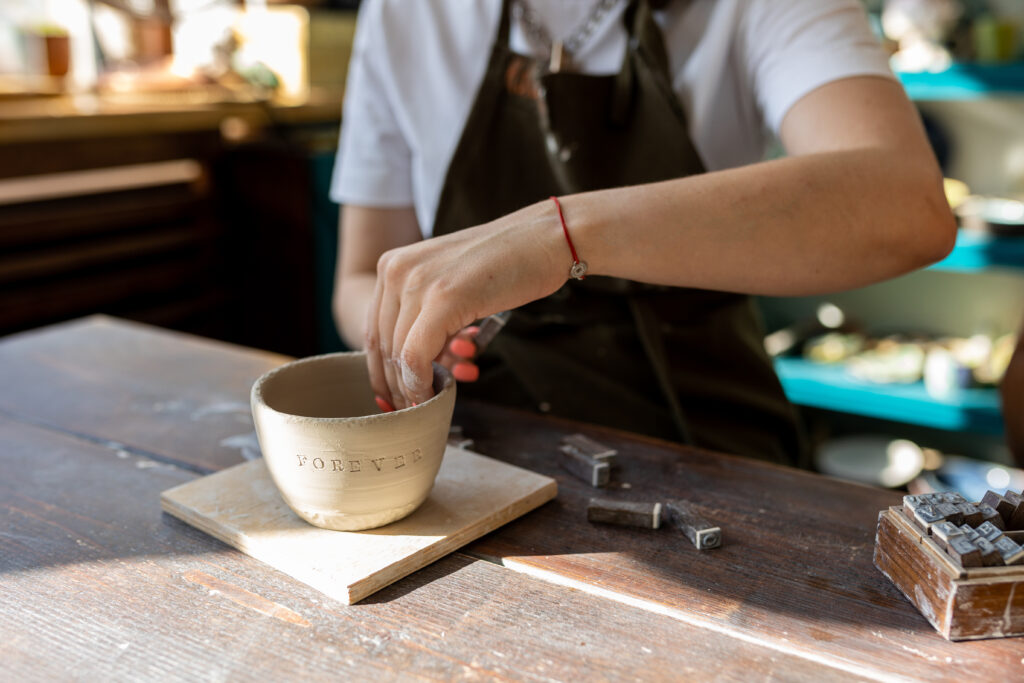
Importance of Learning the Types of Sculpture
Learning about the various types of sculpture is beneficial for a variety of reasons. First, understanding the different techniques and materials used in sculpting can help artists become more creative and innovative in their own work. By learning about the history of sculpture and studying works from renowned sculptors such as Auguste Rodin or Antonio Canova, students can gain a deeper appreciation for the art form. This can help them develop a unique style of their own and build the necessary skills to create breathtaking masterpieces. Additionally, learning about the different types of sculpture can also be helpful for art historians or museum curators as it gives them a better understanding of how various works fit into the larger context of art history.
Stone Sculpture
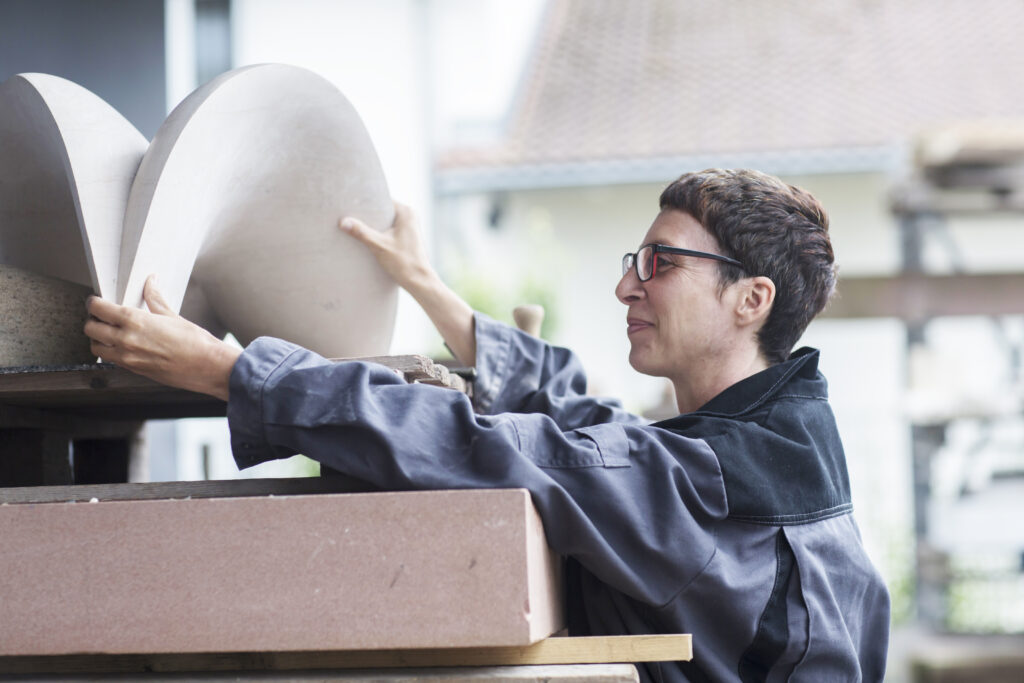
Stone sculpture has been used as a form of art for centuries. It is one of the oldest and most enduring forms, with examples dating back to prehistory. Stone sculpture is typically made out of a single block of stone, which is carved and shaped into the desired design. It involves carving and shaping different types of stone into three-dimensional objects. Artists use techniques such as marble carving, granite carving, and bas relief to create intricate designs and patterns. Stone sculpture has been used for centuries to create beautiful and timeless works of art found in museums, galleries, and public spaces worldwide. Throughout history, famous sculptors have created iconic stone works including Michelangelo’s David. Stone sculptures are timeless works that capture the beauty and strength of nature in an unparalleled way.
1. Marble Carving
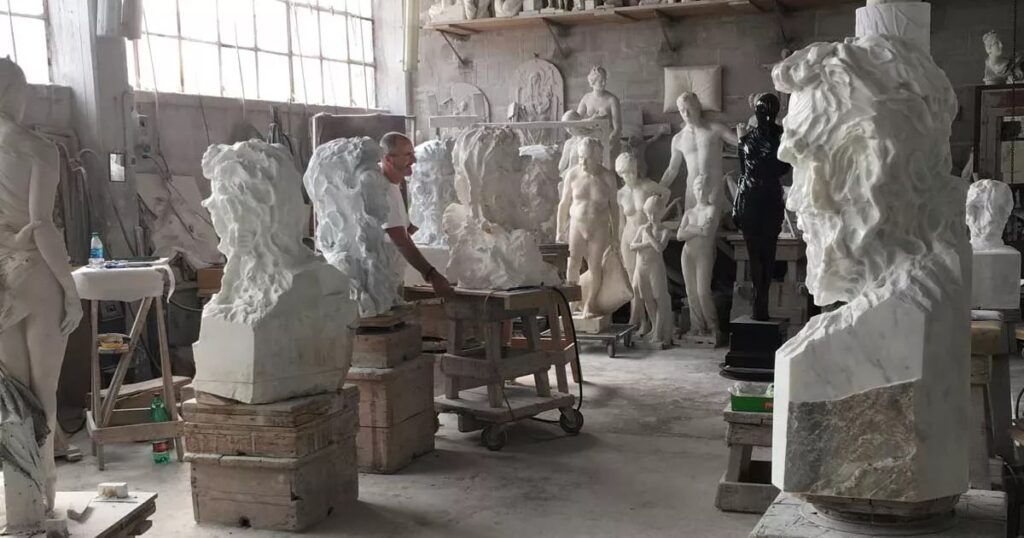
Marble carving is an ancient art form that dates back centuries. It involves the transformation of a single block of marble into a work of art through careful chiseling, sawing, and hammering. Marble is a popular choice for sculpture because its durability and strength make it possible to create incredibly detailed and intricate designs. Its smooth surface also allows sculptors to achieve sharp, clean lines that are characteristic of the genre. Throughout history, famous marble sculptures have been created by renowned artists such as Michelangelo and Antonio Canova. Today, marble carving remains a popular form of art with both amateur and professional sculptors alike.
2. Granite Carving
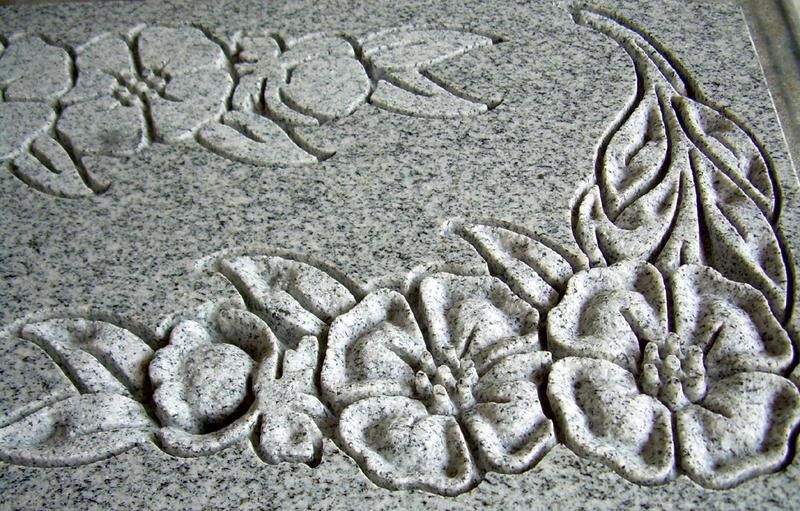
Granite carving is an ancient art form that has been practiced since antiquity. Granite is a hard and durable rock, making it ideal for sculpting into complex shapes and intricate designs. It’s typically used to create monuments, memorials, and other large-scale works of art. Granite is also popular for its unique texture and range of colors, from cream to dark grey. As a result, many sculptors have embraced granite as their medium of choice in order to bring their visions to life.
Granite carving requires skill and patience, as the process is often long and laborious. Sculptors must first select the right block of granite for the project before chiseling away at it with precision tools to achieve their desired design. Over time, small chips will be removed until the sculpture takes shape in its three-dimensional form. The final step is often polishing the surface with abrasives in order to bring out the natural luster of the stone. Today, granite carving continues to be popular amongst art historians and professional sculptors alike due to its beauty, durability, and versatility.
3. Bas Reliefs
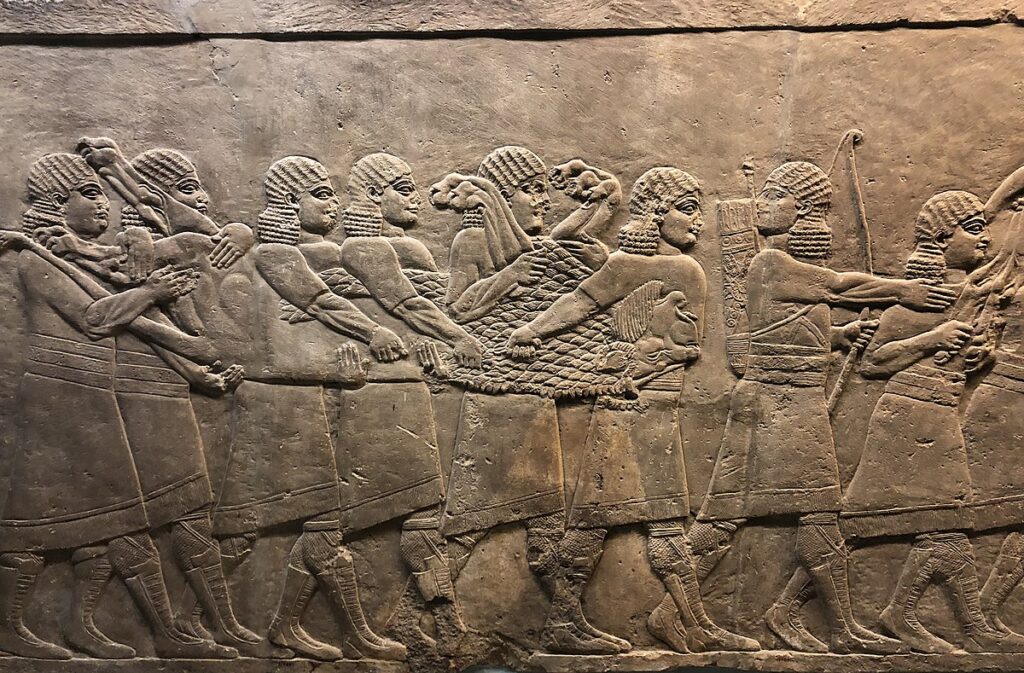
Bas reliefs are a type of sculpture that stands out due to their flat surface and shallow depth. This art form originated in ancient Egypt and has been seen in various cultures throughout history. Bas reliefs were often used as decoration on temples, tombs, and other important structures. The process involves carving a design into the surface of a block or panel of stone or metal, typically leaving some parts raised above the background.
Bas reliefs can vary from small-scale works intended for personal use to large public displays that cover entire walls. They usually depict scenes from mythology, religious rituals, and daily life. The style is often characterized by exaggerated poses and dramatic facial expressions that bring the figures to life. Today, bas reliefs remain popular amongst contemporary sculptors who use the technique to create dynamic works of art with intricate detail and texture. As such, it remains one of the most iconic forms of sculpture today.
Wood Sculpture
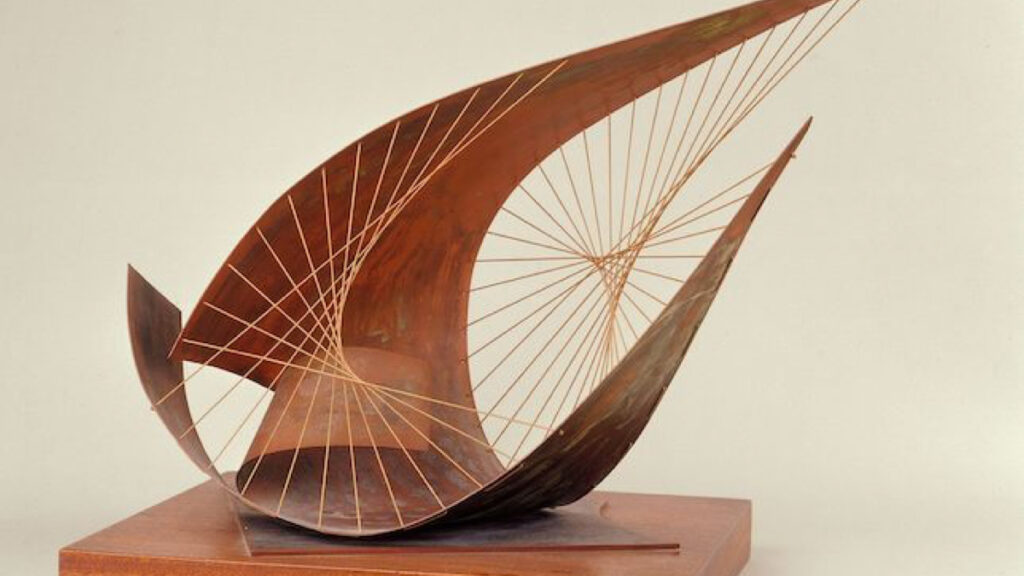
Wood carving is a form of sculpture that has been used for centuries to create beautiful and intricate works of art. This type of sculpture involves the use of chisels, gouges, chainsaws, and other tools to shape the wood into desired forms. Also, intarsia is an art form that uses wood, plastic materials, and other materials to create three-dimensional objects. Wood sculptors typically begin by selecting a suitable piece of wood before sketching out the design on its surface. They then use their tools to carve away at the wood until they’ve reached their desired result.
The most common types of wood carving include relief, in which the artist carves away from the surface to create a three-dimensional image or figure; chip carving, which is done with a knife or chisel to create geometric patterns; and life-size sculptures, which are carved into blocks of wood or logs. Wood sculpture can be used in many different ways such as furniture making, architectural elements like doors and window frames, religious artifacts, and even jewelry pieces.
This type of art form has been used throughout history by some famous artists such as Michelangelo who created his masterpiece David from marble but also did some impressive works in wood. Today it remains popular amongst artisans around the world due to its versatility as an art form and its ability to bring unique beauty and emotion through wooden sculptures.
1. Carving with Chisels and Gouges
Carving with chisels and gouges is a type of sculpture that has been used for centuries to create intricate works of art. This type of sculpture involves the use of tools such as chisels, gouges, knives, and other instruments to shape the material into desired forms. Carvers begin by selecting a suitable piece of wood or stone before sketching out the design on its surface. They then use their tools to carve away at the material until they’ve reached their desired result.
This type of art form has been used throughout history by some famous artists such as Michelangelo who created his masterpiece David from marble but also did some impressive works in wood. Today it remains popular amongst artisans around the world due to its versatility as an art form and its ability to bring unique beauty and emotion through carved sculptures.
2 . Carving with a Chainsaw
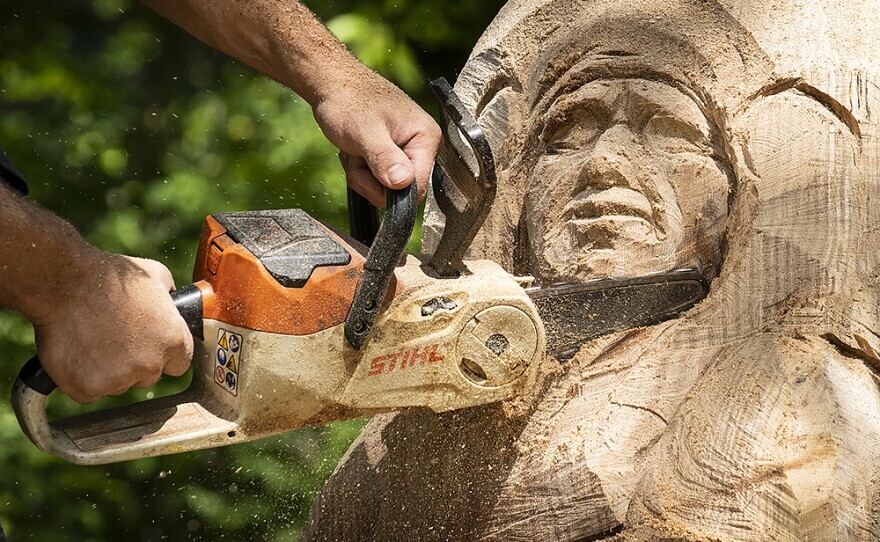
Carving with a chainsaw is a type of sculpture that has become increasingly popular in recent years. This type of sculpture involves the use of a chainsaw to shape the material into desired forms. Carvers start by selecting a suitable piece of wood or stone before sketching out the design on its surface. They then use their chainsaw to carve away at the material until they’ve reached their desired result.
This type of art form has become increasingly popular over the past few decades due to its versatility as an art form and its ability to bring unique beauty and emotion through carved sculptures. It requires skill and precision along with safety precautions when using these tools so it can be dangerous if not used correctly. Despite this, it remains one of the most sought-after forms of sculpture amongst artisans around the world as it allows them to create stunning works of art with much less effort than traditional methods.
3. Intarsia
Intarsia is a type of art form that combines the use of wood, plastic materials, and other popular materials to create three-dimensional objects. This form of sculpture has its origins in Northern Europe during the 15th and 16th centuries when it was used to decorate furniture, buildings, and religious artifacts.
In intarsia, pieces of different colored material are cut out into flat surface shapes with a variety of tools such as jigsaws or craft knives. The pieces then fit together perfectly using interlocking slots to create intricate patterns and designs. Intarsia can be used for decorative art pieces such as wall hangings or table tops, but also for functional items like jewelry boxes or chess boards. It is often seen in contemporary sculptures by famous artists such as Louise Bourgeois and Barbara Hepworth.
The complexity and skill level required to make this type of sculpture has made it a favorite among art historians. Its intricate beauty can bring emotion and life to any piece it graces making it a popular choice for many modern sculptures as well. Intarsia continues to evolve as an art form today with new techniques being developed all the time so that this ancient craft never loses its charm or appeal.
Metals Sculpture
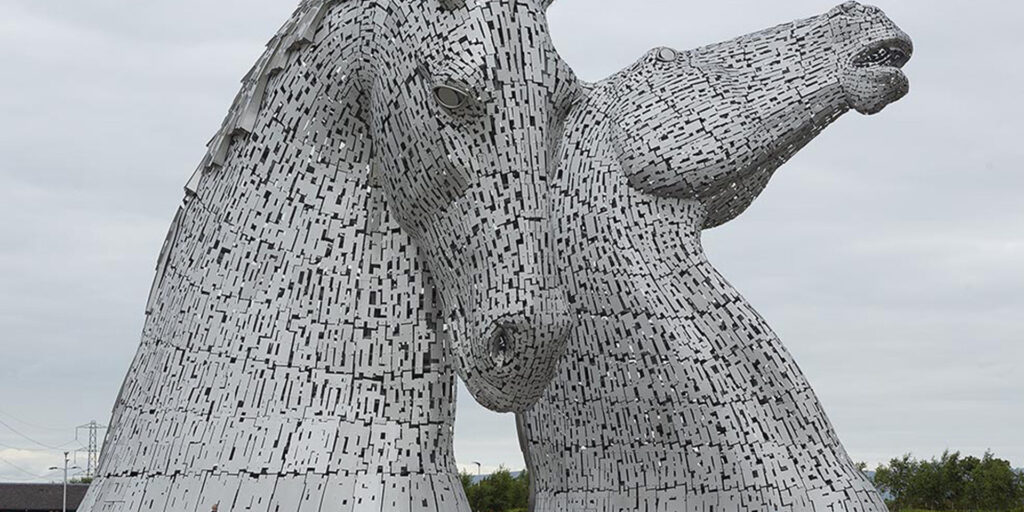
Metals sculpture is a type of sculpture that has been around since the dawn of time and was used to create some of the most iconic works of art throughout history. This type of sculpture consists of manipulating various metals into a three-dimensional form that can be admired from all directions. Metals such as iron, bronze, and other metals are often used in this form of art.
Metal sculpture is a fascinating art form that involves welding together pieces of metal to create intricate and captivating works of art. Also, working with found objects and scrap metal also allows artists to repurpose materials that would otherwise be discarded, giving them new life and meaning through the creation of art. The process of creating a metal sculpture is a highly skilled and technical one, requiring precision and attention to detail at every step. The end result is a stunning piece of art that can be admired for years to come.
Some well-known artists who have created pieces using metals include Antonio Canova and Auguste Rodin whose sculptures are considered some of the most beautiful examples in existence. Today’s sculptors continue to push the boundaries by incorporating traditional techniques with modern technologies such as welding or 3D printing to create truly remarkable works of art. Whether you admire them from afar or up close, metal sculptures will always captivate viewers through their detail, precision, and beauty.
1. Casting in Iron, Bronze, and Other Metals
Casting in iron, bronze, and other metals is a type of sculpture that has been used for centuries to create works of art from all over the world. This technique involves pouring molten metal into a mold, usually made out of sand or clay. Once the piece has cooled and hardened, it can be removed from the mold and finished with various tools such as hammers or grinders.
The process of casting metal sculptures dates back to ancient times when it was used to create religious icons and household objects. Today, artists continue to use this method to produce intricate sculptures that are admired for their precision and detail. While bronze remains one of the most popular materials for metal casting, modern sculptors are also experimenting with new types of metal alloys that allow them to create unique pieces with an array of colors and textures.
With its long history, cast sculpture continues to remain one of the most beloved forms of art throughout time. From Michelangelo’s “David” to contemporary works by Louise Bourgeois and Barbara Hepworth, these masterpieces have captivated viewers through their beauty, elegance, and skillful craftsmanship.
2. Welding Together Pieces of Metal
Welding together pieces of metal is a type of sculpture that has become increasingly popular among modern artists. This process involves joining two or more pieces of metal together through the use of heat, pressure, and an electrical current. As the molten metal cools, it creates a bond between the two parts that is both strong and aesthetically pleasing.
This technique allows sculptors to create unique works in a variety of shapes, sizes, and metals. By combining different metals together, welded sculptures can produce structures that are both dramatic and intricate in appearance. Popular materials for welding include steel, aluminum, copper, brass, and bronze.
Modern-day welded sculptures often challenge traditional notions of art through their abstract forms and bold colors. From monumental public art to small-scale indoor installations, these works have been inspired by everything from nature to industrial design. Famous sculptors such as Pablo Picasso and Alexander Calder have used this technique to create timeless masterpieces that remain influential today.
3. Working with Found Objects and Scrap Metal
The practice of working with found objects and scrap metal to create art has been around for centuries, but it has become increasingly popular among 21st-century sculptors. By collecting or scavenging discarded materials, sculptors can transform seemingly mundane items into something truly unique and special.
This type of sculpture often involves a complex process of dismantling and reconstructing the found object in order to give it a new form and purpose. Sculptors may use a variety of tools such as grinders, cutters, hammers, and welders to shape the material into their desired design. The result is often an unexpected juxtaposition of textures, forms, and colors that are both visually stunning and conceptually intriguing.
From urban installations to gallery exhibitions, these pieces have become widely celebrated for their ability to challenge traditional notions of beauty and utility. Notable contemporary artists such as Louise Bourgeois, Barbara Hepworth, and Antonio Canova have all created memorable works from found objects and scrap metal. Art historians continue to study these works as they remain influential today in pushing the boundaries of what sculpture can be.
Clay Sculpture
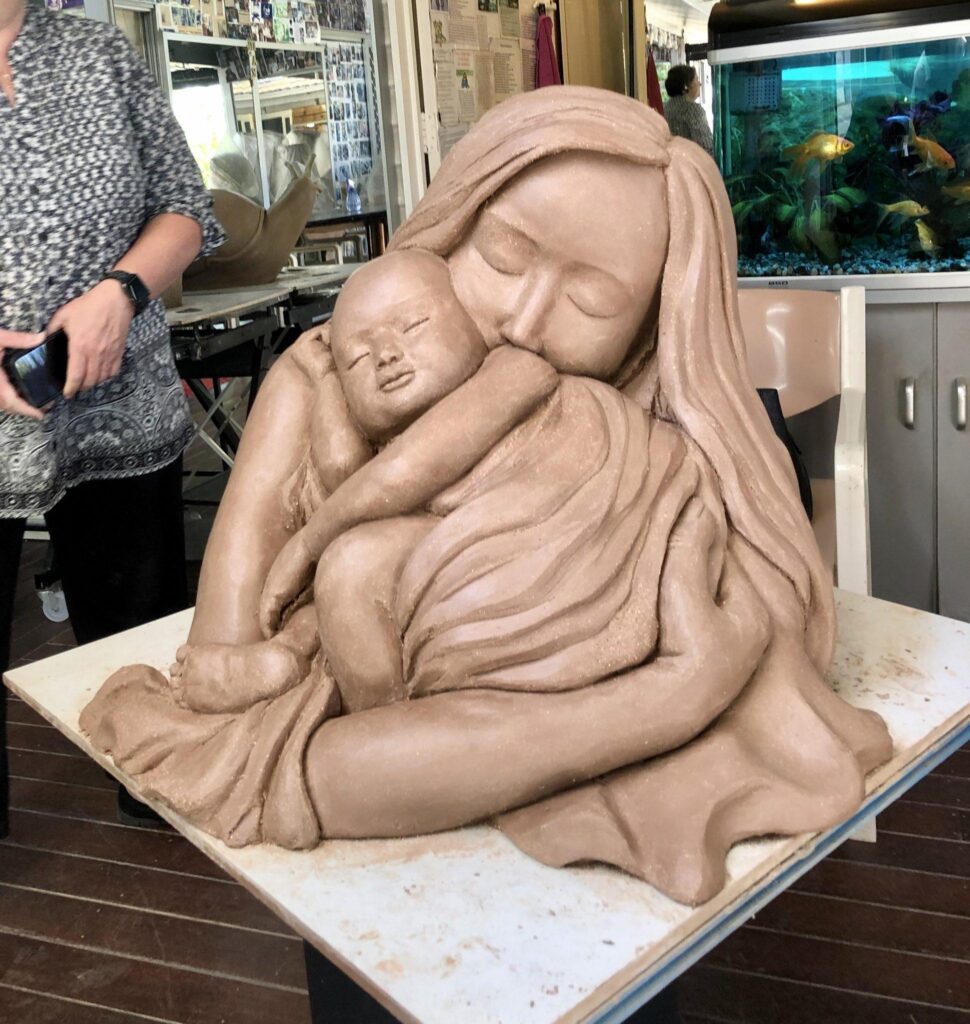
Clay sculpture is a popular art form that dates back to ancient times. It is often used to create three-dimensional forms from plastic materials such as clay, plaster, and ceramic. The process of creating a clay sculpture can be both rewarding and challenging, as the artist must carefully shape and mold the material into their desired design.
Modern sculptors have experimented with various methods and techniques to create unique works from clay. Techniques such as hand-building technique which involves coiling, slab building, and pinching. Also, molding and casting techniques which used by sculptors to create multiple sculptures of the same shape or form. Lastly, the carving technique that involves cutting, chiseling, and carving a block of material to create a desired form.
Clay sculptures can range from small figurines to large-scale public installations. They are often used as decorative objects in homes or gardens but can also be found in galleries and museums around the world. Popular materials today include terracotta, stoneware, porcelain, and earthenware; each offering unique characteristics that allow for greater expression through this medium. Clay sculptures continue to captivate viewers today with their timeless beauty and versatility across a variety of artistic styles.
1. Hand-Building Techniques
Hand-building techniques are a traditional form of clay sculpting that have been used for centuries. Through various techniques such as coiling, slab building, and pinching, an artist can create a variety of forms from raw materials. Hand-building is also known as “direct modeling” because the artist shapes and molds the clay directly with their hands or tools.
This method allows for greater control over the creative process, as it allows the artist to more easily refine and manipulate their work. Many contemporary artists use hand-building techniques to explore new ideas and concepts through form, texture, and color. From primitive vessels to intricate abstract sculptures, this versatile art form has remained popular throughout history.
In addition to its visual appeal, hand-building can be a great way to explore the tactile qualities of clay. By working with their hands, artists can develop an intimate understanding of how different materials interact with each other and what possibilities exist in terms of shape and surface design. This process can be both therapeutic and rewarding for those looking to express themselves through art.
2. Molding and Casting Techniques
Molding and casting are popular techniques used by sculptors to create works of art from a variety of materials. By using a mold, an artist can create multiples of the same form or shape. This method is often used when creating sculptures in metal, plastic, or cement.
After preparing a wax or plastic model, the artist will make a two-part plaster mold around it. Once the mold is set, they will then pour liquid material such as bronze, resin, or plaster into the cavity to form their sculpture. The artist can also use this technique to cast shapes that are carved out of wood, stone, or other hard materials.
Molding and casting have been widely used since the Renaissance period and continue to be popular among contemporary sculptors today. Through this process, artists can explore a range of textures and forms that would be difficult or impossible to achieve with traditional hand-building techniques. For many sculptors, this type of work allows them to express their creativity in ways that are both unique and visually stunning.
3. Carving Techniques
Carving techniques have been used since antiquity and remain one of the most popular forms of sculpture today. This method involves cutting, carving, and chiseling away at a block or slab of material to create a desired form. Popular materials for carving include wood, stone, marble, and alabaster; each offering unique qualities that can add depth and texture to a work of art.
From monumental statues to small figurines, carving has been used by artists across the globe to create works of art that capture the imagination. This versatile technique can be used to produce a variety of styles from realistic figures to abstract shapes. Carving is also incredibly satisfying, as it allows an artist to slowly bring their vision to life in a tactile and tangible way.
Fiberglass Sculpture
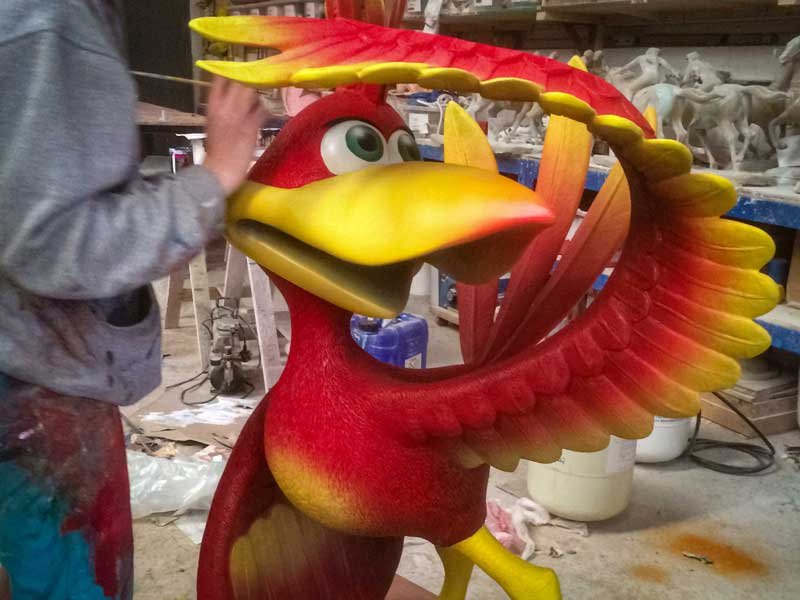
Fiberglass sculpture is a relatively modern art form that has become increasingly popular among contemporary sculptors. It involves the use of strong, lightweight material to create abstract or figurative three-dimensional forms. This type of sculpture is often used in outdoor settings, as it is resistant to weathering and corrosion. The process of creating fiberglass sculptures involves making a clay or wax model for the mold, casting in polyester and epoxy resins, and gluing pieces of fiberglass together.
Fiberglass sculptures are also highly durable, making them ideal for public spaces where they can withstand wear from everyday activities. As the popularity of this medium continues to grow, more and more artists are exploring its potential for creating unique pieces that add beauty and charm to any environment.
1. Making a Clay or Wax Model for the Mold
Making a clay or wax model for the mold is an important step in the sculpting process. This allows the artist to create a precise form that can be used as a template for other materials such as bronze, resin, or plaster. The model must be carefully crafted to ensure that it captures each and every detail of the desired sculpture.
Once the artist has created their model in either clay or wax, they will then create a two-part plaster mold around it. This mold serves as the structure that will be filled with liquid material to form their sculpture.
2. Casting in Polyester and Epoxy Resins
Casting in polyester and epoxy resins is becoming increasingly popular among sculptors as a way to create intricate three-dimensional forms. This method of casting involves combining liquid resin with fiberglass, plastics, or other materials to form a solid shape. The ability to mix different materials allows the artist to achieve a wide range of textures and details that would be difficult or impossible to achieve with traditional casting techniques.
Once the desired shape has been achieved, the sculpture is cured and then polished to create a smooth surface. The finished piece can then be painted or left as-is to maintain its natural look.
3. Gluing Pieces of Fiberglass Together
Gluing pieces of fiberglass together is another popular method used by contemporary sculptors to create complex shapes. This technique involves joining segments of fiberglass with an epoxy-based adhesive in order to form a single piece. The process requires precise cutting and placement of each individual segment in order for the sculpture to hold its intended shape.
This technique can be used to create large-scale sculptures with intricate details, as well as smaller pieces such as jewelry or figurines. It is also a cost-effective way to produce sculptures since there is no need to purchase expensive molds or other materials.
Glass Sculpture
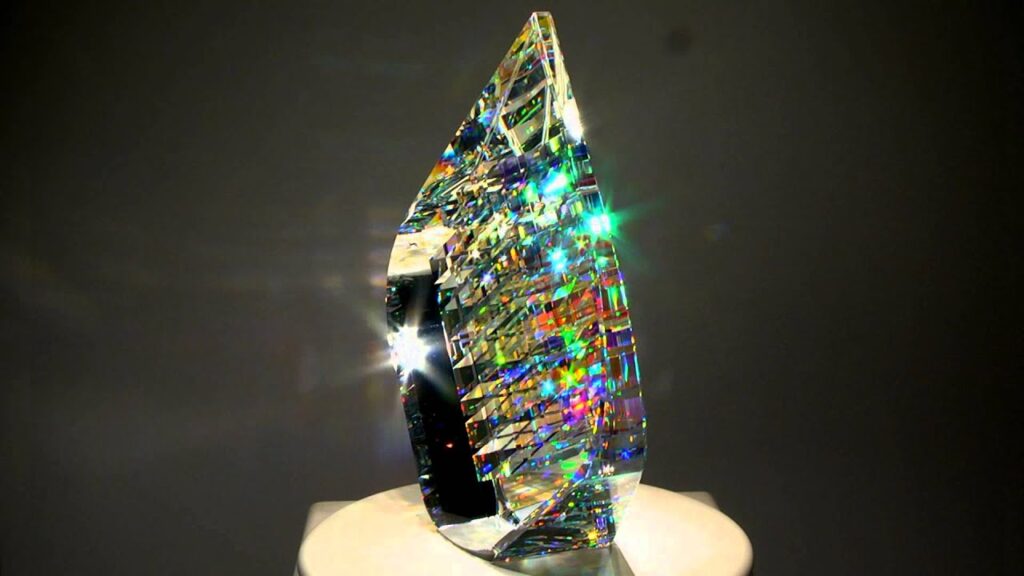
Glass sculpture is a fascinating and intricate art form that has been used by sculptors for centuries. From the delicate stained glass windows of medieval cathedrals to the ornate glass sculptures of 20th-century masters, this medium has provided an array of beautiful and captivating works. Glass sculpture involves fusing glass, blowing glass, and engraving and carving techniques.
The versatility of glass is one of its greatest advantages; this material can be used to create both abstract forms or realistic representations of people, animals, or other objects. In addition, it offers plenty of scope for experimentation; from colored hues created through special pigmenting techniques to luminous transparent effects achieved by combining different types of glass.
1. Fusing Glass
Fusing glass is a type of glass sculpture that involves combining pieces of glass to form a single piece. This technique requires the artist to heat the separate pieces in a kiln at temperatures ranging from 800°C – 900°C, allowing the edges of each piece to melt and join together. The resulting fused glass sculpture can take on any shape or form depending on what the artist desires.
2. Blowing Glass
Blowing glass is a common technique used by modern sculptors to create intricate and delicate glassworks. This method involves melting the material in a kiln and then using a blowpipe or tube to blow air into the molten glass, forming it into desired shapes. Through this process, an artist can create stunning pieces with unique textures, sizes, and colors. This technique requires skill, patience, and practice in order to achieve the desired result. It also has the potential to create one-of-a-kind sculptures that can be treasured for generations.
3. Engraving and Carving Techniques
Engraving and carving are two sculptural techniques that involve cutting or chiseling away at a material to create a desired shape. These methods have been used for centuries by artists to create intricate works of art, from delicate figures to large-scale monuments.
Engraving is often done with a tool called a burin, which is used to delicately mark the surface of the glass. This technique can be used to create intricate details and patterns, as well as textured surfaces. Carving techniques involve using a tool to cut away at the material, creating more three-dimensional forms.
Conclusion
Glass sculpture is a truly remarkable and versatile art form, one that has been used by sculptors for centuries. From the delicate stained glass windows of medieval cathedrals to the ornate glass sculptures of 20th-century masters, this medium has provided an array of beautiful and captivating works. With its unique properties and myriad possibilities, glass remains a popular material for both traditional and contemporary sculpture today. Whether it be cast, molded, or blown into shape; from abstract forms to realistic representations; from small decorative pieces to large public installations – there is no limit to what can.

