

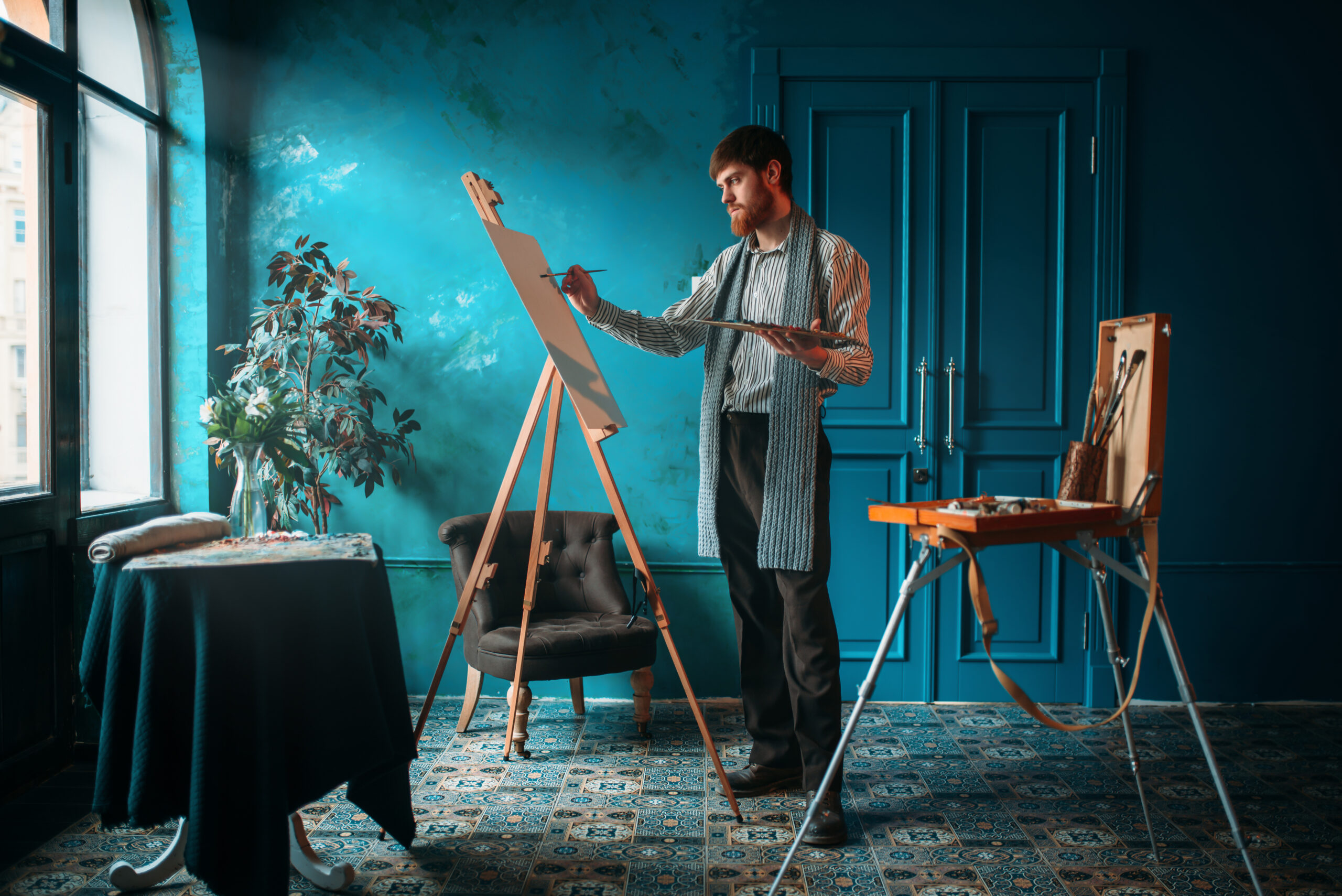
Painting is a powerful form of self-expression, allowing the artist to bring their vision to life. But when it comes to creating a realistic painting, it takes more than just creative vision – it requires precise technique and practice. From Canvas to Reality: A Guide to Realistic Painting will take you on a journey through the fundamentals, from choosing your subject and working with perspective and proportion to selecting the right supplies and adding finishing touches. So grab your brushes and paints, because we’re going to explore how you can transform a blank canvas into an accurate representation of reality!
Definition of “Realistic Painting”
Realistic painting is an art form that seeks to recreate a subject accurately and truthfully. It involves the use of precise techniques, such as careful attention to detail, accurate proportions, and correct perspective. Unlike abstract art, realistic paintings are intended to be representations of real-world objects or scenes and are usually created using oil on canvas. Realistic paintings often feature elements from everyday life, such as people and landscapes, but they can also include fantasy elements like dragons or magical creatures. By skillfully blending together light, shadow, color temperature, and color harmony the artist is able to create a lifelike representation of their subject.
Choosing a Subject
When painting realistically, one must choose between traditional or abstract subjects. Sketching the image beforehand is important for planning the composition and addressing potential issues. The color scheme is also crucial for creating a cohesive and visually appealing painting. Careful consideration of the subject, sketching, and color scheme can enhance the success of a realistic painting.
Selecting a Traditional vs Abstract Subject
When selecting a subject for a painting, it is important to consider whether the goal is to create a traditional or abstract artwork. Traditional paintings typically feature recognizable elements such as people, places, and objects that are rendered in realistic detail. On the other hand, abstract paintings are often composed of shapes and colors that do not necessarily represent any particular object or scene. The choice between these two styles will depend on the artist’s preferences and what they wish to communicate with their art.
When creating a traditional painting, it is important to take into account the light and shadow play within the scene as well as any interesting textures or shapes. For portrait paintings, focus on capturing the personality of your subject accurately through facial expressions and poses. With an abstract piece of art, use color temperature and harmony to create a pleasing composition of shapes and colors. In either case, taking photographs or sketches can help you accurately recreate your chosen subject in your painting.
Sketch the Image to Begin
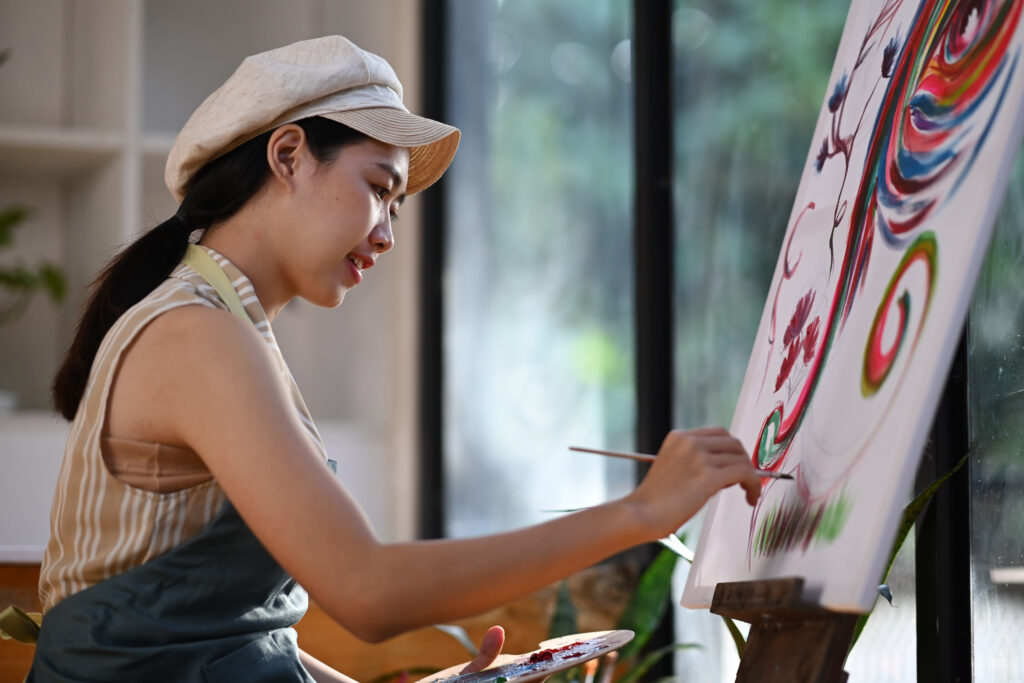
The first step in starting a realistic painting is to sketch the image. Sketching allows the artist to map out their composition and plan out how to best bring the image to life. Before beginning, gather reference materials such as photos or drawings that can help guide your sketch.
Once you have an idea of what you want your painting to look like, lightly draw it onto the canvas using either a pencil or charcoal. It’s important not to press too hard when sketching so that any mistakes can be easily erased without damaging your surface. As you further refine your sketch, make sure all proportions are accurate and the perspective is correct before committing with paint.
Consider Color Scheme
When it comes to creating a successful painting, color plays a key role. Before adding paint to your canvas, consider your color scheme and the type of mood you are trying to create. If you want to create a bright and cheerful painting, use vibrant colors that complement each other in a harmonious way.
On the other hand, if you are aiming for a more somber tone, use muted and desaturated colors to evoke those feelings. Additionally, pay close attention to the temperature of your colors. Warm colors like reds and oranges will make the painting feel warm and inviting while cool colors like blues and greens will give it an air of calmness.
Understanding Perspective and Proportion
Understanding perspective and proportion is important for creating realistic paintings. These techniques help to create a sense of depth and dimensionality and can be achieved through the use of vanishing points and considering the size and placement of objects within the composition. By paying attention to perspective and proportion, artists can create engaging and visually appealing paintings.
Creating Depth in the Painting
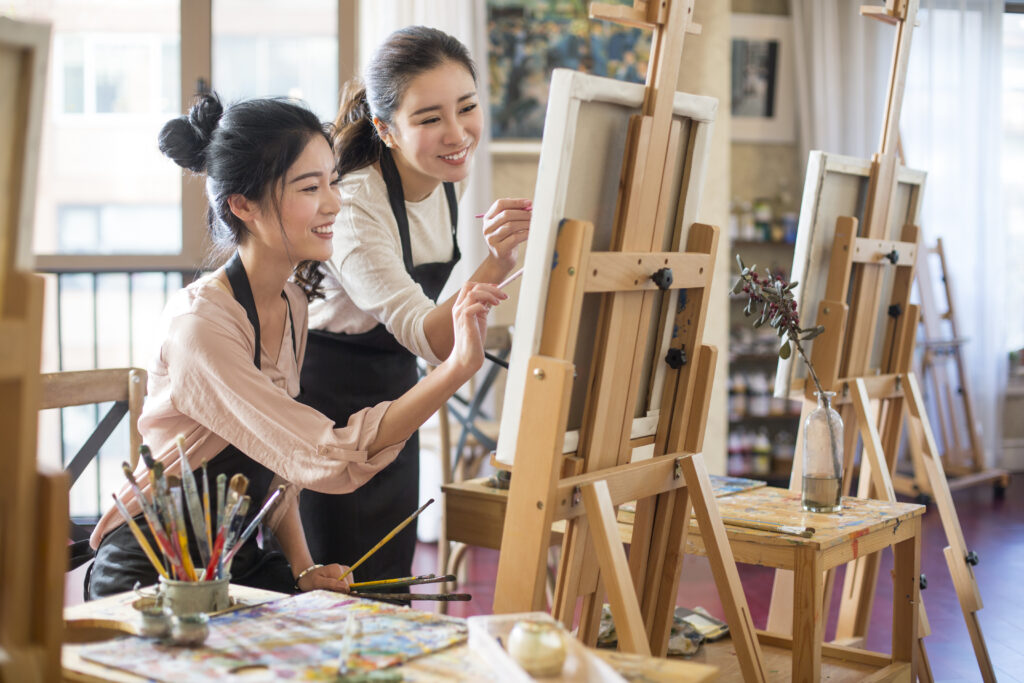
Creating depth in a painting is an important aspect of creating realistic works of art. To create this effect, artists use various techniques such as overlapping, size reduction, and color contrast. Overlapping objects help to show the relationship between them and their placement in the painting’s space.
Size reduction can help to create distance and depth by making objects appear further away from the viewer; for example, distant mountains will appear smaller than nearer ones. Color contrast can also be used to create a sense of depth by using darker shades on objects closer to the foreground and lighter tones on those further away.
Composing with Proportion in Mind
Composing a painting in such a way that the composition is balanced and harmonious is essential for creating realistic works of art. Proportion is an important aspect of achieving this. When considering proportion, artists must think about the size and placement of objects within the artwork as well as their relationship to each other. This could involve making sure figures are correctly scaled to each other, or ensuring that the composition does not appear overly cluttered with too many elements competing for attention. It can also be beneficial to consider how the figures will appear when viewed from different angles, as this can help ensure that they are placed at appropriate distances from one another.
Applying Paint and Details
To create a realistic painting, it is important to choose the right brushes and paint, blend and shade for depth, add details like highlights and textures, and finish with varnishing or framing. With practice, lifelike paintings can be achieved.
Choosing the Right Brushes and Paint
Choosing the right brushes and paint for a painting project is an important step in ensuring a successful outcome. While there are many types of brushes and paints to choose from, it is important to select those that are best suited for the desired effect. For example, artists who wish to create a realistic painting should look for soft-bristled, round-tipped brushes that will allow them to apply thin layers of paint in order to achieve subtle blending effects.
Additionally, oil paints are often preferred over acrylics as they provide greater depth and richness when used on canvas. It is also important to consider the colors of the paint palette when selecting colors; be sure to pick colors that complement each other and create balance within the painting.
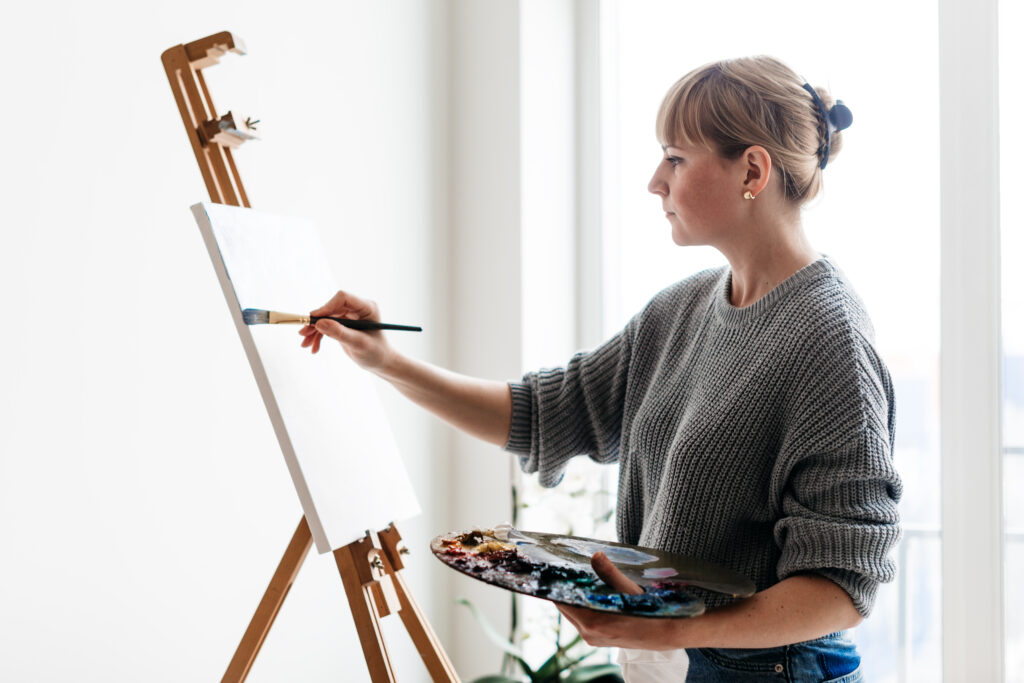
Blending, Shading, and Adding Details
Blending, shading, and adding details are essential elements of creating realistic paintings. To effectively blend colors together, artists should use soft strokes and apply thin layers of paint until the desired effect is achieved. When it comes to shading, the artist should pay attention to light sources in the painting and apply darker tones where needed. Finally, details can be added in with fine-tipped brushes to create a more lifelike look. Artists can also make use of dry brush techniques or sponges to add texture to their paintings.
Finishing Touches to Create a Reasonable Facsimile of Reality
Finishing touches are the last, yet often most important, element to creating a reasonable facsimile of reality in a painting. To ensure that the painting looks as real as possible, artists should focus on color temperature, color harmony, and overall composition. The color temperature should be taken into account as warm colors will come forward while cool colors recede within the painting. Color harmony is also critical for making sure that all the elements blend together seamlessly and look natural. Finally, by paying attention to the overall composition, an artist can create an aesthetically pleasing painting with balanced lighting and proportions.
Conclusion
In conclusion, realistic painting is an art form that requires a great deal of skill and attention to detail. From selecting the right canvas and paints to mastering techniques such as color temperature, color harmony, and composition, creating a reasonable facsimile of reality in a painting can be a difficult task. With practice and dedication, however, even novice painters can develop the skills necessary to create beautiful artwork that accurately reflects the world around us. As Vincent Van Gogh famously said: “If you hear a voice within you say ‘you cannot paint,’ then by all means paint, and that voice will be silenced.

