

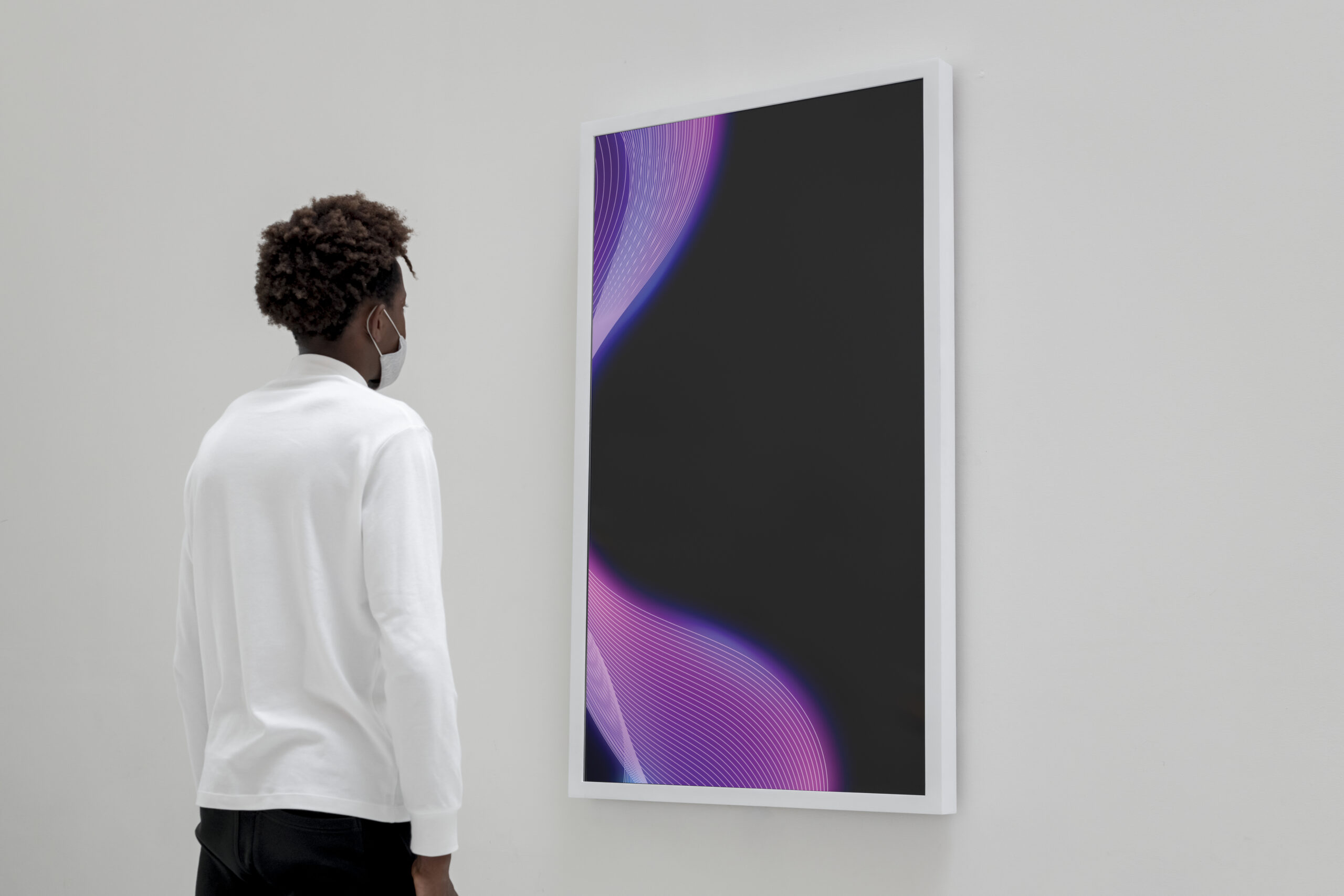
When it comes to creating art, digital art has become an increasingly popular medium for artists of all skill levels. From low-resolution art and vector art to pixel art and 3D art, digital art is being used in all sorts of creative ways to create stunning works of art. Gone are the days when traditional forms of painting and drawing were the only way to express oneself.
Now, with digital tools at our fingertips, exciting new styles of expression have come into play – so much so that some people say it’s like entering a whole new world! In this article, we will explore some of these unique styles as well as look at some popular digital artists who are using them. We’ll also discuss some advantages that digital art has over traditional methods. So without further ado, let’s jump right in!
Examples of Different Styles
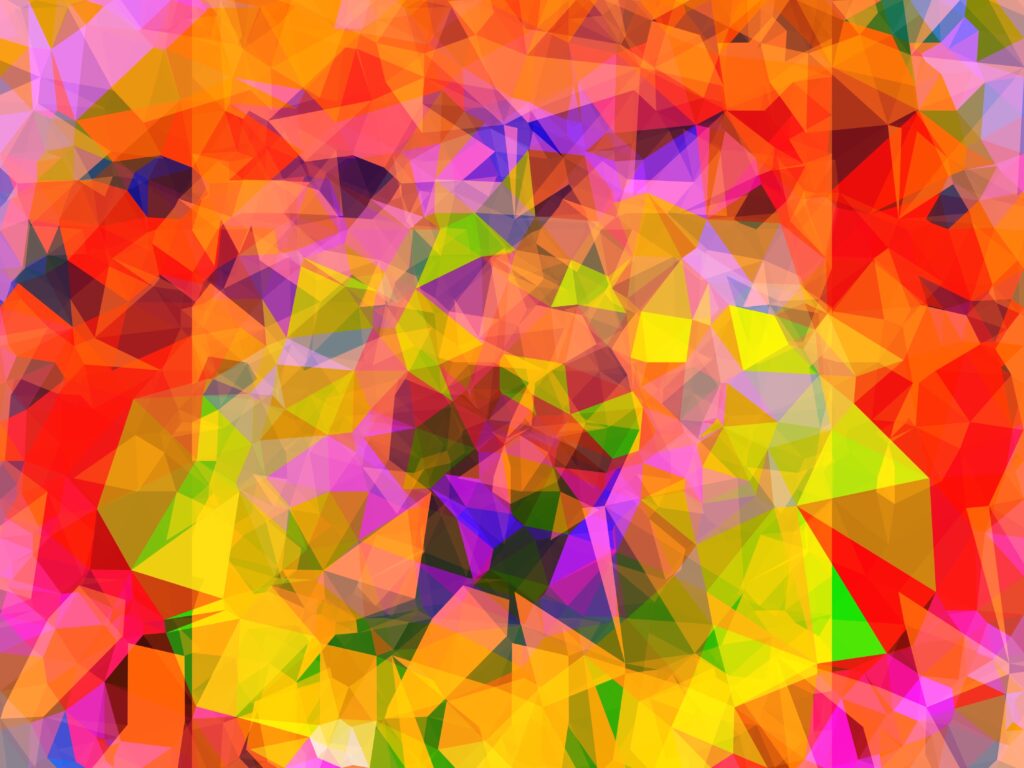
Digital art is created using technology and there are various styles, including low-resolution art, vector art, pixel art, and 3D art. Each style has its own unique characteristics and techniques, and artists often specialize in one or more styles to create their art.
Low-Resolution Art
Low-resolution art is a digital art form that uses small pixels to create an image. This type of artwork often appears in video games, websites, and other digital platforms. It is characterized by low image resolution and blocky shapes, yet still conveys ideas effectively due to its minimalistic style. Low-resolution art can be produced with many software applications such as Adobe Photoshop or Gimp, although more advanced programs are necessary for higher-quality images.
Examples of low-resolution artwork include pixel art, 8-bit graphics, and vector art. Pixel art is composed of squares or rectangles of different colors which can be used to create characters, scenes, and objects in a simplified format. 8-bit graphics use larger blocks to create an even simpler visual effect while vector art uses geometric shapes such as lines, curves, and circles to produce dynamic imagery. Ultimately, low-resolution art allows creative professionals the opportunity to express themselves with simple but effective visuals despite its limited color palette and size restrictions.
Vector Art
Vector art is a form of digital art that uses geometric forms and lines to create images. This type of artwork can be created using software such as Adobe Illustrator or CorelDraw and often appears in logos, illustrations, maps, and diagrams. Vector art is unique because the images are composed of mathematical equations that allow for scalability without losing any quality or detail. This makes vector art perfect for print media as it can easily be resized for different purposes without sacrificing its visual appeal. Furthermore, vector art has a wide range of applications from printed materials to web design, video games, and animation.
Talented artists are able to use vector art to create amazing visuals by combining shapes, textures, and colors into abstract forms that convey emotions in an eye-catching manner. As technology continues to evolve, more tools become available to concept artists which allows them to experiment with different styles of vector art. Whether it’s creating detailed landscapes or abstract patterns, vector art provides designers with numerous opportunities to express their creativity through this unique medium.
Pixel Art
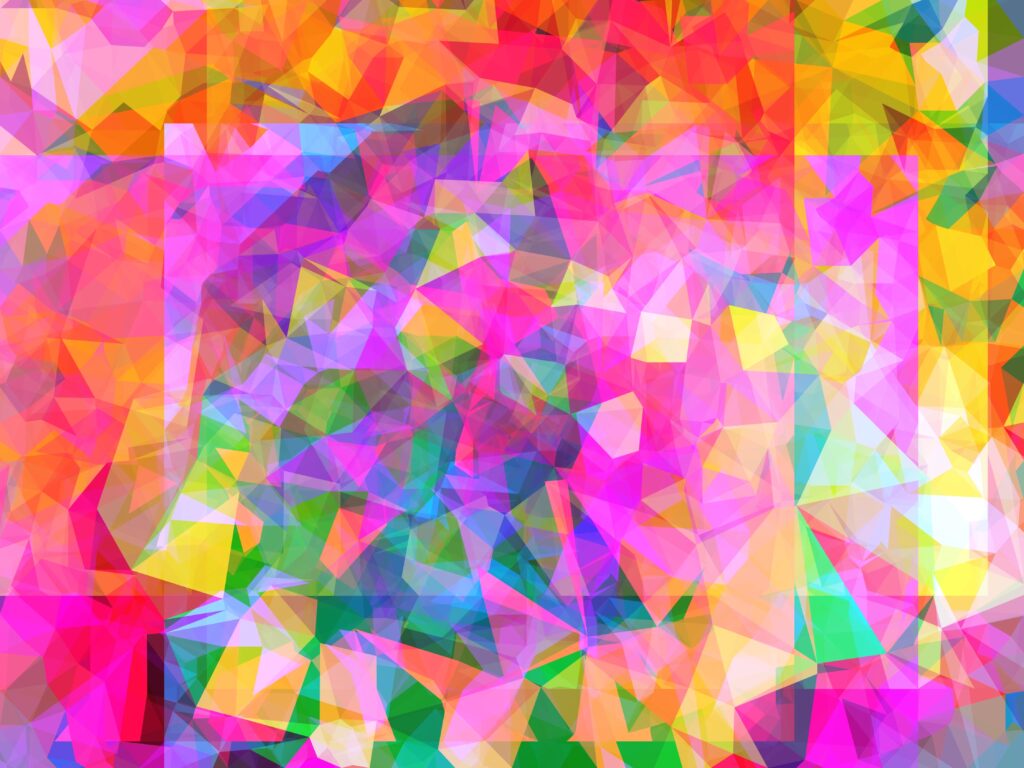
Pixel art is a digital art form that uses individual pixels to create images. This type of art has been around since the early days of video games, but it has become increasingly popular in recent years due to its low-fi aesthetic and nostalgic feel. Pixel art is created using a grid of square or rectangular pixels, allowing artists to create complex patterns and designs with minimal effort. It can be used for simple drawings, illustrations, animations, and even 3D models.
Pixel art offers a unique way to express creativity as the artist must consider the placement of each pixel in order to achieve the desired effect. Artists have complete control over every aspect of their work from color selection to shading and texture which creates a unique look that cannot be achieved with other forms of digital artwork. Furthermore, pixel art can easily be scaled up or down without sacrificing quality, making it an ideal choice for use in both print and web design. With its distinctive look and versatility, pixel art continues to be a popular choice among creative professionals looking for new ways to express their ideas through this unique medium.
3D Art
3D art is a form of digital art that utilizes three-dimensional computer models and animation to create visually stunning artwork. 3D art has the potential to be incredibly realistic or highly stylized, depending on the artistic vision of the creator. With the evolution of technologies such as CGI, 3D art has become increasingly popular in recent years.
From concept artists to graphic designers, 3D art offers talented artists a wide range of creative possibilities for expressing their ideas. 3D models can be used to create everything from abstract forms to realistic animals and environments. Furthermore, multimedia art such as comic books and video games are often created using 3D technology which is able to bring characters and scenes to life in vivid detail.
3D art uses computer modeling software such as Adobe Illustrator or Autodesk Maya to create digital images with depth and movement. The creative process involves manipulating geometric forms and adding textures, shading, and color in order to achieve the desired effect. With its ability to combine elements from traditional media with modern digital technology, 3D art continues to be an exciting form of expression that artists around the world continue to explore and enjoy.
Popular Digital Artists and Their Styles
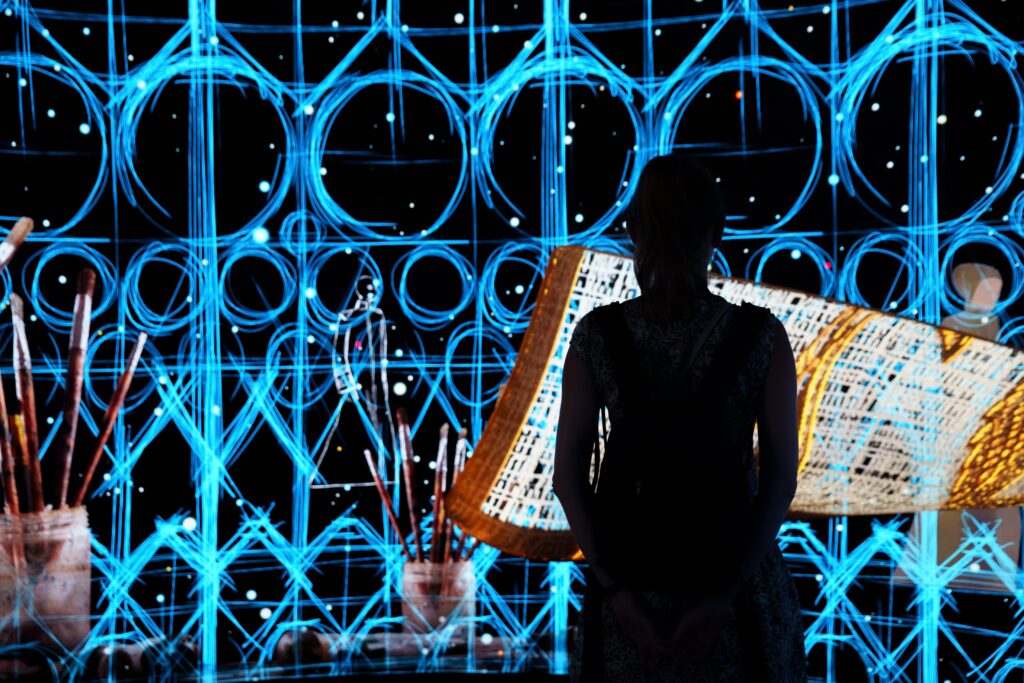
Digital art has become an increasingly popular form of expression amongst contemporary artists such as Andy Warhol, Jonathan Zawada, Seb Janiak, and Anna Cattish. Digital art is a rapidly evolving form of expression that continues to captivate audiences around the world. From 3D models to animation, digital artists have an unlimited number of creative possibilities at their fingertips.
Andy Warhol
From Andy Warhol’s pioneering work in the late 20th century to modern-day masters such as Takashi Murakami, there is no shortage of talented digital artists creating unique and captivating works of art. Each artist brings their own creative flair to their artwork, often experimenting with different techniques and styles.
Jonathan Zawada
Photographer and graphic designer Jonathan Zawada is well-known for his hyperrealistic 3D renderings of everyday objects. His work ranges from intricate recreations of natural landscapes to colorful abstract forms that draw inspiration from the world around him. Zawada’s use of vibrant colors and unconventional textures makes his artwork stand out, offering viewers a unique perspective on ordinary things.
Seb Janiak
Artist Seb Janiak is renowned for his abstract digital paintings that explore the relationship between humans and machines. Working with a variety of digital mediums such as code, algorithms, and generative systems, Janiak creates works of art that blur the line between analog and digital. His artwork often features intricate shapes and patterns that evoke a sense of motion, creating an immersive visual experience for viewers.
Anna Cattish
Artist Anna Cattish is one such animator who has made a name for herself with her unique stylized animation. Her work often features vibrant colors and dream-like scenarios that explore the beauty of nature and human connection.
Advantages of Digital Art Over Traditional Art Forms
Digital art is a cost-effective alternative to traditional art forms as it eliminates the need for expensive materials. It can be easily reproduced, edited, and manipulated, providing artists with flexibility and the ability to experiment with different techniques and styles. These advantages make digital art an appealing option for artists who want to save money, create multiple copies of their work, and explore new creative possibilities.
Cost Savings
Digital art is a cost-effective way of creating artwork, making it a great choice for those with limited budgets. Producing digital art requires minimal or no additional materials and can be done entirely on the computer, saving artists money on supplies. Furthermore, there is no need to purchase expensive tools such as paintbrushes or canvases. Digital artwork also has the advantage of being reproducible; once an image is created it can easily be printed or shared online without requiring any additional costs.
Additionally, digital art can be stored electronically meaning that multiple copies don’t need to be made, further reducing costs. These factors make digital art a great option for those looking for an affordable way to create and share their work.

Easier to Reproduce
Digital art is much easier to reproduce than traditional artwork due to its digital nature. Artists can create multiple copies of their work quickly and easily, without having to worry about the quality of the reproduction or how it will look when printed. Furthermore, digital artwork can be shared in a variety of ways, from printing it out and displaying it in a frame to sharing it online with friends and family.
Additionally, digital art can be used for a range of purposes such as creating album covers or t-shirt designs as well as being printed on canvas or turned into wallpaper. Overall, the ease with which digital artwork can be reproduced makes it an attractive option for those looking to quickly share their work with others.
Easier to Manipulate
Digital art is much easier to manipulate than traditional artwork because of its digital nature. Artists can easily make adjustments to their work, such as adding layers, changing colors and textures, or cropping parts of the piece. This allows them to fine-tune their work in order to achieve the perfect look and feel. Additionally, digital artwork can be shared in a variety of ways, from emailing it out to clients or displaying it online through social media outlets.
Furthermore, many software programs offer tools specifically designed for manipulating digital artwork such as Adobe Illustrator and Photoshop. By using these tools, artists can create unique designs that would be difficult or impossible with traditional methods. Therefore, with its flexibility and range of options available for manipulating artwork, digital art has become an attractive form of expression for both professional and amateur artists alike.

Conclusion
Digital art is a rapidly evolving form of expression that has been embraced by both professionals and amateurs alike. It offers a unique way to express creativity and explore new artistic techniques, whether it’s through painting, graphic design, or video games. Digital technology has allowed digital artwork to be easily manipulated and shared via the internet, making it accessible to anyone who wishes to explore its potential. As digital art continues to evolve, new styles and forms will undoubtedly emerge as talented artists continue to push the boundaries of this growing art form.

