


Subway cars have long been a canvas for street art, a medium that has evolved over the years to become an integral part of many cities’ cultural identities. From Henry Chalfant’s photography work that documented the movement of graffiti trains across the country to Martha Cooper’s videos and photos showcasing the illusion of motion on subway cars, these two individuals have helped establish the standards for future generations. From all-city graffiti archives to city galleries, this art form has come to represent a subculture element and highlight animals in writers’ creations. This is the history and beauty of subway cars as moving murals.
Definition of Graffiti and Street Art
Graffiti and street art are often used interchangeably, but they are quite different in their approach. Graffiti is a form of visual expression that uses aerosol paint or marker pens to write words, messages, and symbols on public or private property without permission. Street art, on the other hand, is an artistic expression that can range from murals to sculptures, performances, and video projections. It’s often seen as an act of defiance against the status quo and it typically contains a message that speaks to societal issues. Both graffiti and street art have become more accepted by society in recent years—with some cities even sponsoring programs to beautify neighborhoods with street art—but there remain legal implications for graffiti writers creating works on private property without permission.
Graffiti and street art have become more accepted forms of expression, but their differences should not be overlooked. The next section will explore the influence that graffiti trains have had on the development of both graffiti and street art as we know it today.
The Birth of Graffiti Trains
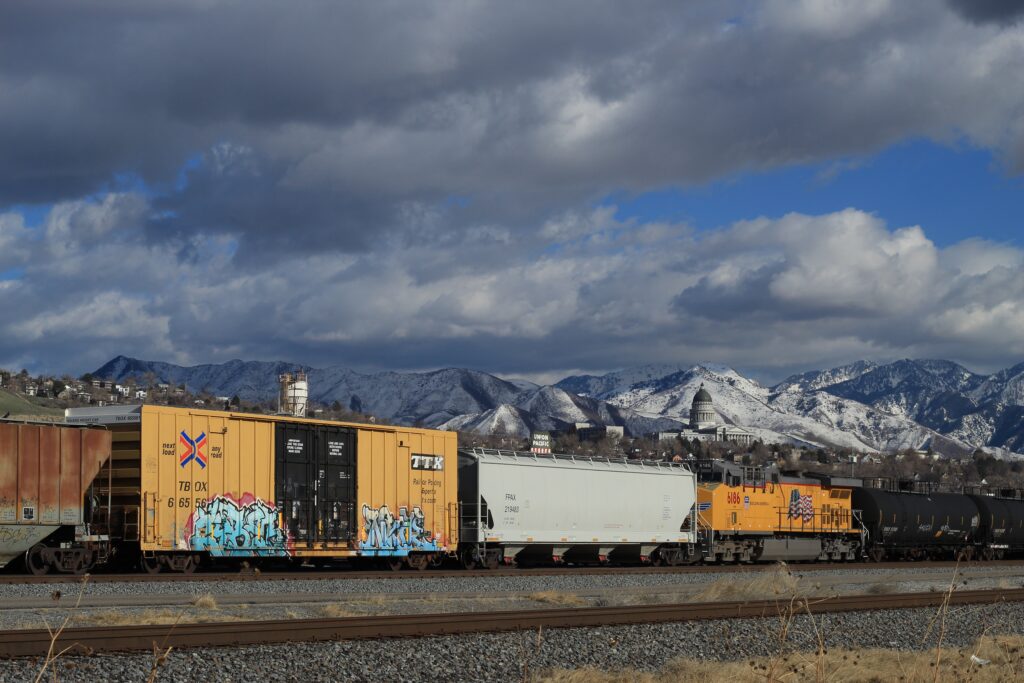
Graffiti trains have played a major role in the development and acceptance of graffiti and street art. The idea first came about in the early 1970s when artists began using subway cars as canvases for their artwork. Henry Chalfant, an acclaimed documentary photographer, was among the first to document these works of art in New York City’s train yards. His photographs brought attention to these works of art, which were often seen as vandalism, and helped to legitimize graffiti as an artistic expression.
Martha Cooper was another pioneer of graffiti trains. She worked with Steve Zeitlin to produce a photo essay that featured the works of various graffiti artists on trains. This project helped bring additional recognition to graffiti writers who were often overlooked and misrepresented by mainstream media outlets.
The concept of graffiti on trains has since evolved from illegal activities into a form of creative expression that has become increasingly accepted over time. It is now commonplace to see beautifully crafted murals on passenger trains as riders commute around cities like New York, Chicago, and Philadelphia—each painting capturing an illusion of motion through fluorescent lights, representative cross sections, and thousands of dollars worth of paint and supplies. Today, many cities even have “all-city” graffiti archives where people can view some of the best examples from renowned artists around the world. Graffiti on trains has come a long way from its origins and continues to be an important part of our ever-evolving urban culture.
Subway Cars as Moving Murals
Subway cars have become a canvas for urban artists to express themselves and their art. These moving murals allow riders to witness a wide range of artwork as they travel around their cities. From abstract designs to representational images, graffiti has become an important part of the urban aesthetic.
The works of Martha Cooper and Steve Zeitlin are credited as being some of the earliest pioneers of graffiti trains. By bringing recognition to these often overlooked works of art, they helped legitimize graffiti and street art as forms of legitimate expression. This recognition led to the development of more formalized standards when it comes to graffiti on train cars in certain cities, such as New York City’s All-City Graffiti Archive or Philadelphia’s City Graffiti Gallery.
Graffiti is no longer seen simply as vandalism but rather as a form of creative expression that has become increasingly accepted in our ever-evolving urban culture. Subway cars provide an ever-changing canvas for artists from around the world to showcase their work, giving passengers a unique visual experience with each ride.
Henry Chalfant’s Role in Documenting the Art Form
Henry Chalfant is renowned for his documentary work on the New York graffiti scene. His photography, which began in the late 1970s, captured both the illegal and legal artworks of subway riders. Chalfant’s influential book Subway Art (1984) is considered one of the most important documents to emerge from this period. He continued to document graffiti art on trains until he died in 2020.
Chalfant’s photographs and video footage not only documented this transit culture but also highlighted its importance as an art form. Through his work, he allowed thousands of people to witness firsthand the beauty of such works and showed that these often illegal murals can be seen as a legitimate art form. His work was also instrumental in creating an understanding of how graffiti writers use animals symbolically in their works to give them deeper meaning and significance.
Without Henry Chalfant’s dedication to capturing the art form, many moments would have been lost forever. His documentation created a lasting archive that will be remembered for generations to come and will continue to inspire new generations of urban artists worldwide.
Henry Chalfant was a pioneer in capturing the culture of graffiti art and its significance as an art form. His work will continue to inspire new generations of urban artists around the world, and his legacy will live on through his powerful photographs and video footage. Next, we’ll take a deeper look at the ways that Chalfant’s photography has shaped our understanding of graffiti art.
Chalfant’s Photography Work
Henry Chalfant’s photography work was integral in documenting and preserving the culture of graffiti art on subway cars. His photographs and video footage provided a lasting archive that highlighted the beauty of such works, often illegal murals, as legitimate art forms. Chalfant’s influential book Subway Art (1984) is considered one of the most important documents to emerge from this period. He continued to document graffiti art on trains until he died in 2020. Through his work, he allowed thousands of people to witness firsthand how graffiti writers use animals symbolically in their works to give them deeper meaning and significance. His dedication has since been used as an example for future generations of urban artists worldwide, inspiring them with his powerful photographs and video footage.
His Representation of the Cross-Country Movement
Henry Chalfant’s representation of the cross-country movement of graffiti on trains was a powerful visual tool that enabled viewers to witness the grand scale of this art form. In his photographs and videos, Chalfant captured the “illusion of motion” created by the train carriages as they traveled across the US. He documented graffiti in various train yards, from Los Angeles to New York City, highlighting how this unique art form had become a national phenomenon. His work also gave an insight into how graffiti writers used their artwork to celebrate their own culture and communities while simultaneously providing vivid displays of their skill in public spaces. Through his work, Chalfant provided a lasting record that revealed the beauty and importance of this art form at a time when it was still considered illegal by many authorities.
Publication of Subway Art and History of Graffiti on Trains
Subway Art, first published in 1984, was a groundbreaking book that documented the history and culture of graffiti on trains. The book was written by Martha Cooper and Henry Chalfant, two photographers who had been documenting the birth of graffiti art on passenger trains since the late 1970s. It featured images of some of the most iconic works from this era, as well as interviews with prominent graffiti writers. Subway Art provided an invaluable chronicle of how this art form developed over time and how it was viewed by passengers riding along the tracks.
The book also included extensive information about the materials used to create these works – everything from fluorescent lights to paint cans and markers – as well as providing a representative cross-section of the all-city graffiti archive at its peak. Steve Zeitlin writes in his review that it “contains thousands of dollars worth of information” about a time when graffiti was considered illegal by many authorities. Today, Subway Art is widely regarded as one of the definitive books on graffiti art, contributing to its emergence as an academic subject with its conventions and standards for artistic production.
Martha Cooper’s Contributions to the Genre
Martha Cooper is one of the most iconic figures in the world of graffiti art. In 1984, she and photographer Henry Chalfant published Subway Art, a groundbreaking book that documented the history and culture of graffiti on trains. This book featured images of some of the most iconic works from this era, as well as interviews with leading graffiti writers. By providing an invaluable chronicle of how this art form developed over time and how it was viewed by passengers riding along the tracks, Subway Art helped to legitimize graffiti art and elevate it to a respected academic subject with its conventions and standards for artistic production.
Throughout her career, Cooper has also had a great impact on how subway cars are used as moving murals. Her photographs have captured some remarkable scenes, including animals painted on train cars while they were still inside train yards. Her work has demonstrated that these public spaces can be enlivened through street art without infringing upon private property or crossing into illegal territory. As such, her contribution to this genre cannot be overstated.
Martha Cooper has truly left her mark on the graffiti art world, and her influence is still felt today. Her pioneering work in documenting the history and culture of graffiti art through Subway Art, as well as her creative use of subway cars as moving murals, have made an indelible impact on the genre. But that’s not all – Stay tuned to learn more about Cooper’s documentation through photography and videos!
Her Documentation Through Photography and Videos
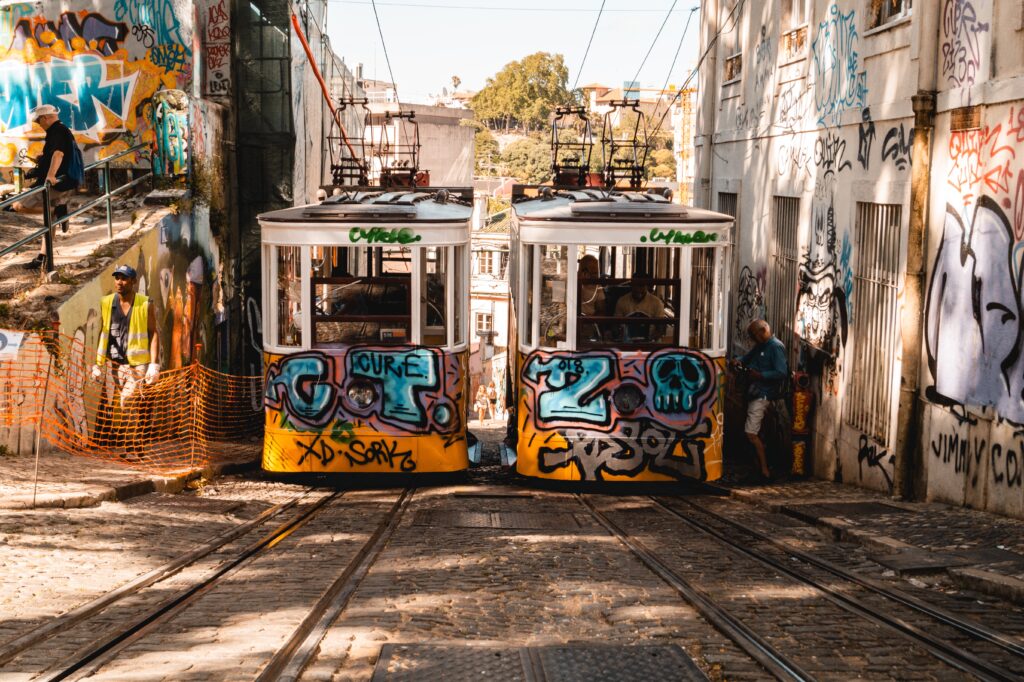
Martha Cooper’s documentation of New York City graffiti art through her photography and videos has given viewers a unique perspective on this vibrant art form. Her photographs have captured the dynamic nature of graffiti art, as it is constantly in flux due to its illegal status and ever-changing environment. Her videos, meanwhile, capture the illusion of motion that is so integral to graffiti – whether it be the movement of a train car or the spray paint itself. In addition to documenting actual works of graffiti art, Cooper has also revealed the birth of new works by capturing them in various stages of completion.
Cooper’s efforts have made her an invaluable resource for not only those who are interested in learning about graffiti culture but for those who are actively involved in it as well. Her visual records provide an important historical record that can be used for legal defense when needed, as well as providing a representative cross-section of existing artwork from all over the city. Steve Zeitlin, creator, and director of the non-profit organization City Lore have even gone so far as to say that Cooper’s work is “worth thousands upon thousands of dollars” because it serves such an important role in preserving this vital part of New York City’s culture.
Capturing the Illusion of Motion on Subway Cars
The late 1970s and early 1980s saw the birth of a new form of art on the walls of New York City’s subway cars. Henry Chalfant, a noted graffiti academic, captured this phenomenon in his documentary film Subway Art (1984). Through Chalfant’s lens, viewers were given a glimpse into the vibrant and often illegal world of graffiti writing. This underground movement was characterized by an ever-changing environment; with fluorescent lights providing its only light source, train yards serving as its canvas, and passengers providing an audience.
Chalfant’s film captured the illusion of motion that is so integral to graffiti – whether it be the movement of a train car or the spray paint itself. His videos revealed the birth of new works as they were created in various stages of completion, while his photographs documented existing pieces that could potentially disappear at any moment. His work served as an important resource for not only those who are interested in learning about graffiti culture but for those who are actively involved in it as well. Thanks to Chalfont’s efforts, graffiti on subway cars has become one of the most iconic images associated with both street art and NYC culture today.
How She Helped Establish Arts Standards for Future Generations
Martha Cooper is a renowned street photographer and graffiti writer who has been documenting New York City’s underground art scene since the 1970s. She worked alongside Henry Chalfant to produce Subway Art, and her images of subway murals have become some of the most iconic representations of urban culture.
In addition to her work as a photographer, Cooper has also played an important role in advocating for artists’ rights within the framework of the law. Her efforts helped establish arts standards that protect public safety while also granting graffiti creators the right to pursue their art without fear of legal repercussions.
Cooper’s work has gone beyond documenting graffiti on trains to include private property, animals on graffiti writers, thousands of dollars worth of commissioned works, and even all-city graffiti archive initiatives. Her impact extends even further with the establishment of programs like Steve Zeitlin’s City Lore Graffiti Gallery which provides young people with an opportunity to create large-scale pieces and gain recognition for their work.
Thanks to Martha Cooper’s commitment to preserving this unique form of art, future generations can enjoy a representative cross-section of New York’s vibrant street culture.
The landscape of Train Yards, Private Property, and Illegal Graffiti
Train yards have historically been a playground for graffiti artists due to the canvas of large, exposed surfaces. Private properties and train cars often serve as the backdrop for pieces depicting elaborate geometric designs, vibrant colors, and intricate lettering. Although illegal in most areas, this form of urban art has become a cornerstone of modern culture.
The landscape of train yards is constantly changing with new works appearing overnight and old ones fading away with time. This ever-evolving nature allows graffiti writers to hone their craft while providing viewers with a unique visual experience – an illusion of motion captured in a single frame.
Whether legal or illegal, graffiti remains a powerful medium that speaks to the public in ways traditional art can’t. The creative energy expressed by these works continues to influence generations of aspiring street artists who are determined to make their mark on the world one wall at a time.
From the vibrant colors to intricate lettering, graffiti is a unique form of art that speaks to the many people who encounter it. And this is just the beginning: come explore the All-City Graffiti Archive and see how street artists from all corners of urban life are showcasing their unique styles across cities.
All-City Graffiti Archive Showcasing Unique Styles Across Cities
The All-City Graffiti Archive is a vibrant landmark that showcases the unique styles of graffiti artists from all corners of the urban landscape. Whether legal or illegal, graffiti remains a powerful medium that speaks to the public in ways traditional art can’t. At the All-City Graffiti Archive, visitors can explore the creative energy expressed by these works and appreciate how they influence generations of aspiring street artists.
From intricate lettering to vibrant colors, this exhibition highlights some of the best pieces from around the world. The ever-evolving nature of graffiti allows viewers to experience an illusion of motion captured in a single frame – a fascinating experience for anyone who loves art. The Archive also serves as a great way for underground writers to hone their craft and make their mark on the world without breaking any laws.
It’s no surprise that thousands of dollars have been put towards preserving this timeless form of expression. With its representative cross-section of graffiti and arts standards, the All-City Graffiti Archive is an essential part of our cultural heritage – giving us insight into history through innovative works that span generations.
City Graffiti Galleries Celebrating Regional Styles and Identities
City Graffiti Galleries have become a popular way to celebrate regional styles and identities around the world. Through these galleries, people can view vibrant works of art that reflect the culture and history of their cities and towns. The pieces often provide an insight into what life is like in each city, with their unique artistic expressions.
For example, in New York City, the birth of graffiti on subway trains has helped create an iconic visual identity for the city. Henry Chalfant and Martha Cooper’s photographs have captured this subculture in vivid detail, as well as providing a window into a time when graffiti was considered illegal but still widespread. In other cities, private property has been transformed into a canvas for some inspiring street art pieces which serve to comment on current social issues.
The importance of these galleries cannot be overlooked as they act as an archive for public artwork that might otherwise be forgotten or destroyed. They also help to make sure that local artists are celebrated and appreciated for their talents and hard work in creating these masterpieces. As Steve Zeitlin from City Lore puts it: “The birth of graffiti trains gave us something much more than animals on walls; it gave us a living gallery to explore.”
Subculture Element Highlighting Animals in Graffiti Writers’ Creations
Animals have been an important part of graffiti writing since its inception, with many artists incorporating animals into their pieces as a way to express themselves. This is particularly true in cities like New York and London, where the subculture has taken on a unique identity that includes animals in its works. From cows, cats, and horses to birds, rats, and even snakes, these animals represent a range of different emotions and messages that make up the culture of graffiti writers.
These creatures also provide an element of surprise to the viewers who are expecting to see only letters or characters when they look at graffiti art. The addition of animals adds complexity and depth to the work, making it more captivating for observers. Furthermore, it allows graffiti writers to showcase their creative abilities by crafting intricate designs with animals as the main focus.
In this way, animals can be seen as not only symbols within the graffiti culture but also as actual works of art within themselves. They serve as a reminder that graffiti writing is not just about defacing property but about creating something beautiful and meaningful for others to enjoy. By showcasing their use of animals in their creations, graffiti writers demonstrate that even within illegal activities there is room for creativity and expression.
Conclusion
Subway Cars as Moving Murals have served as a unique medium for graffiti writers to express themselves and share their work with the public. By decorating these cars with vibrant images of animals, they demonstrate the potential of illegal activities to create art that is both meaningful and visually stunning. As a result, this has helped to push the boundaries of what is considered acceptable in the arts while also allowing graffiti writers to showcase their talents in a way that can be seen by thousands of people every day. Furthermore, it also serves as an important reminder that art should not be limited by standards or laws but instead should be judged on its own merits. Ultimately, Subway Cars as Moving Murals have been an incredibly powerful tool for graffiti writers to make their voices heard and express themselves without repercussion.

