


Painting is an art form that has been around for centuries, and its various techniques have only gotten more intricate and diverse over time. From traditional oil painting to modern digital art, the world of painting is a vast and varied landscape. Whether you’re an experienced painter looking to explore new methods or a novice just getting started, this guide will help you get acquainted with the different types of painting out there. So grab your brushes, open up your canvas, and let’s dive into the wonderful world of painting.
Importance of Learning the Types of Painting
Learning about the different types of painting is essential for any aspiring artist. By familiarizing yourself with the various techniques and styles, you can better understand the fundamentals of art and how to create a work that expresses your own original vision. You can also gain insight into the creative techniques used by some of history’s most famous artists and discover new approaches to creating your own pieces. Furthermore, learning the different types of painting can open up a wide range of opportunities for aspiring artists, from creating commissioned artwork to entering art competitions.
Traditional Painting
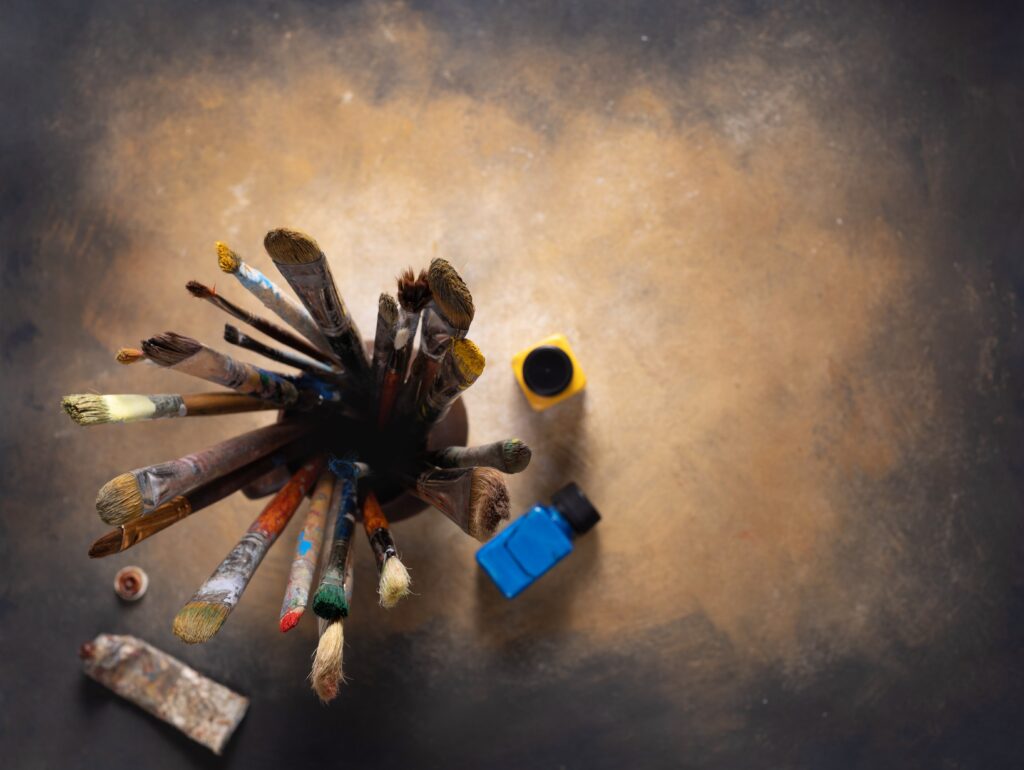
Traditional painting refers to the art of creating images or designs using various painting mediums such as oil, watercolor, acrylic, gouache, tempera, and pastel. Oil painting is a popular technique that involves using pigments mixed with oil to create vibrant and long-lasting colors. Watercolor painting, on the other hand, involves using water-soluble pigments to create delicate and transparent effects. Acrylic painting is a versatile medium that is fast-drying and can be used on various surfaces. Gouache painting is similar to watercolor, but the pigments are opaque and have a matte finish. Tempera painting uses egg yolk as a binding agent and is known for its bright colors and durability. Pastel drawing involves using soft or hard pastels to create rich and textured effects. Traditional painting techniques have been used for centuries and continue to be appreciated for their beauty and artistic value.
Oil Painting

Oil painting is one of the most popular and well-known types of painting. It involves using oil paints, which are made from pigments suspended in a drying oil such as linseed oil, on a surface such as canvas, wood, paper, or metal. Oil painting has been around since the 15th century and is still widely used today. This type of painting offers artists more flexibility than traditional watercolor or acrylic paint because it takes longer to dry and can be manipulated while wet.
Oil paints come in a wide range of colors and textures and provide an incredible amount of detail and richness to artwork. The slow drying time also allows artists to blend colors together for smoother transitions between shades and create subtle gradients that add depth to their work. In addition, blending techniques with thicker layers of paint can be used to create interesting effects.
Oil paintings have been created by some of the most famous artists in history, including Rembrandt van Rijn and Henri Matisse. From classic portraiture to abstract works, there’s no limit to what you can create with this versatile medium.
Watercolor Painting
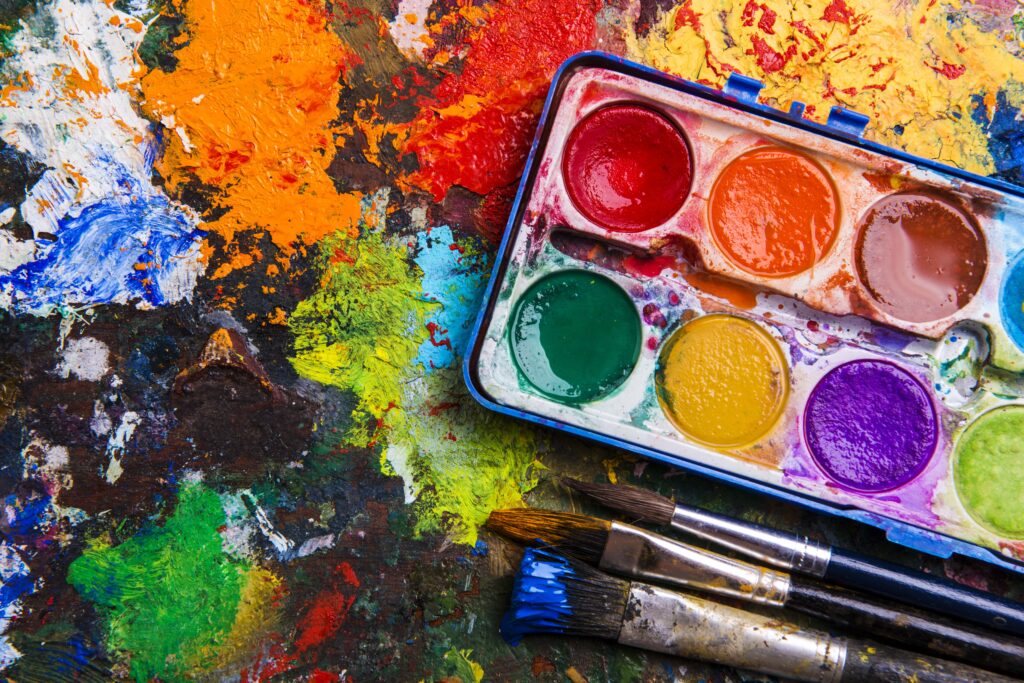
Watercolor painting is a popular form of art that involves using thinned paint on paper or other substrates to create bold, vibrant pieces. This type of painting dates back to the 17th century and has been used by many renowned artists, including Claude Monet and John Singer Sargent.
Watercolors offer a unique range of effects that cannot be achieved with other media. The transparent nature of the medium allows light to enter the layers of paint and create an almost ethereal look in the artwork. Shades can be blended seamlessly together to create beautiful gradients and color transitions. Due to its lightness and quick drying time, watercolor paintings can also be easily layered over one another for more complex compositions. Although watercolor painting may seem simple, mastering it requires skill and patience as even small mistakes can be difficult to correct.
Acrylic Painting
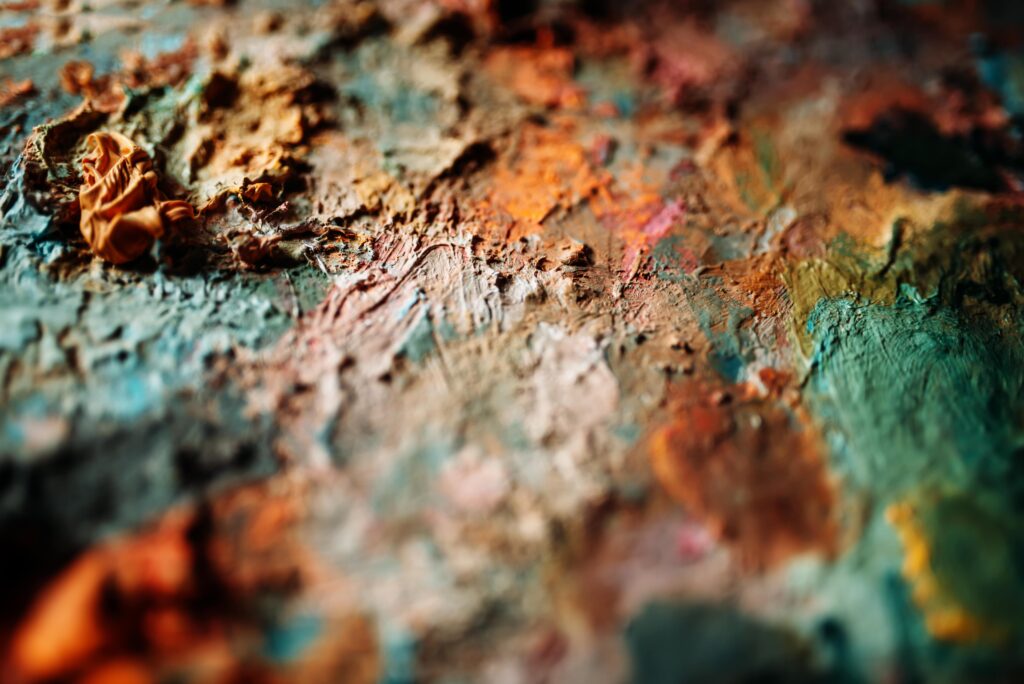
Acrylic painting is an increasingly popular medium that is characterized by its vibrant colors and permanent results. Developed in the mid-20th century, it is a versatile form of art that allows for quick drying time and multiple layers of paint buildup.
Using acrylics can be just as rewarding as any other type of painting, but it requires some special techniques to get the most out of this unique medium. Since acrylics dry quickly, artists must work quickly to ensure their desired results or use retarders or airbrushes to slow down the drying process. Additionally, there are a variety of acrylic mediums available such as gels, pastes, and glazes which can help create interesting textures and finishes on your canvas.
The versatility of acrylic paints means you can let your imagination run wild. With so many vibrant colors available, you can create stunning works that range from abstract murals to realistic portraits.
Gouache Painting

Gouache painting is an ancient technique that has been used since the late 19th century. This type of painting involves using opaque watercolors to achieve a unique, vibrant look. Unlike traditional watercolor painting, gouache paints are thicker and offer more coverage so they can be used to create completely solid shapes and areas of color.
Gouache paintings are characterized by their bold colors and sharp details. Because of this, they can be used to create a wide range of art styles including abstract, surrealist, and photorealistic art. With proper preparation and care, gouache can last for centuries without fading or discoloring.
This type of painting is versatile enough for both professional artists and amateurs alike. It’s easy to use with just a few simple supplies such as canvas or paper, gouache paints, brushes, and a palette knife for blending colors together. Additionally, it’s very forgiving when mistakes are made because you can easily paint over them with fresh layers of paint or a special eraser.
Tempera Painting
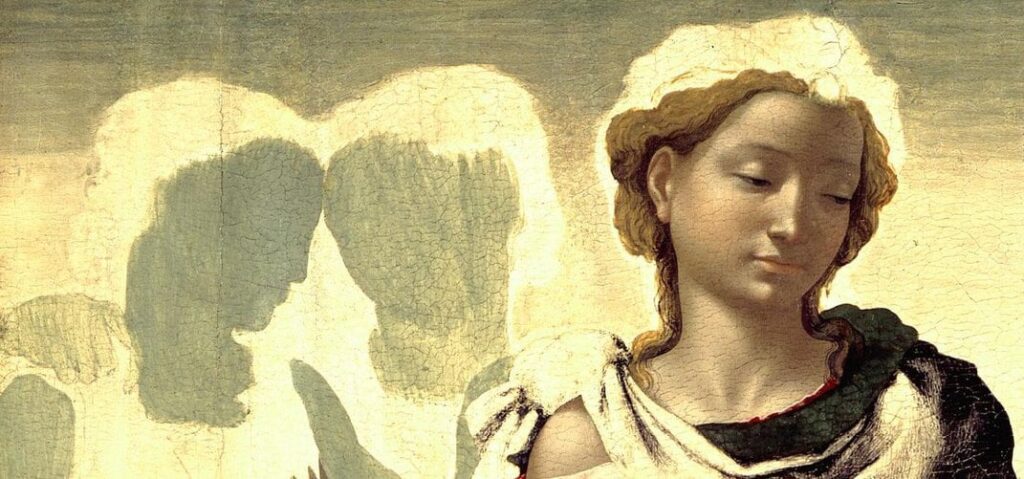
Tempera painting is a traditional artistic technique that has been used for centuries. This type of painting involves mixing dry pigments with egg yolk, glue, or casein to form a paste-like paint. Tempera paint is known for its vibrant colors and smooth texture, making it an ideal medium for creating detailed works of art.
Although tempera paints are difficult to mix and can dry quickly, they have many advantages over other types of paints. It’s permanent once it dries so you don’t have to worry about your artwork fading or discoloring. Additionally, tempera paintings can be easily fixed if mistakes are made during the process since you can simply scrape away the dried layers and start again from scratch.
Due to its delicate nature, tempera painting often requires great skill and patience from the artist. If you’re looking for an artistic challenge that will result in beautiful pieces of work then this may be the perfect type of painting for you.
Pastel Drawing
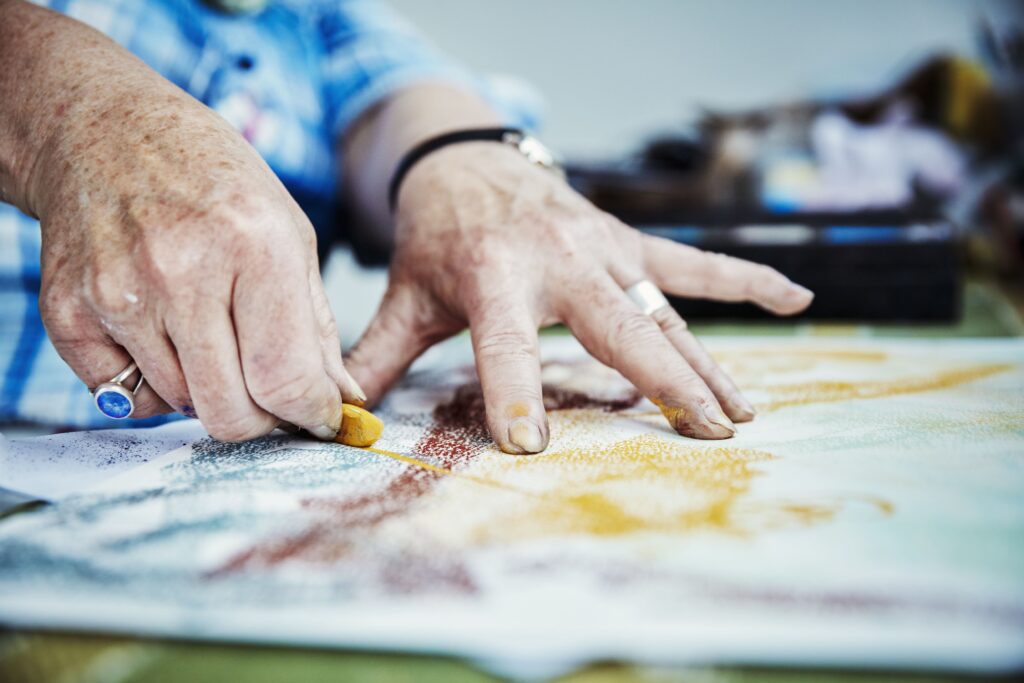
Pastel drawing is a form of art that has been around for centuries and is still popular today. This type of drawing involves using specialized sticks of dry pigment, which are called pastels, to create an image on paper. Pastels come in a wide range of colors and can be used to create both abstract and realistic works of art.
One advantage of pastel drawing is that it’s very accessible since you don’t need any special tools or equipment other than pastels and paper. Additionally, pastels are easy to blend together, so creating shades and tones is simple and effective. The downside to this type of drawing is that it’s difficult to erase mistakes, as rubbing out parts of the image will cause smudges instead. Due to its versatility, pastel drawing can be used for many different types of artwork from seascapes and landscapes to portraits and still life drawings.
Non-Traditional Painting
Non-traditional painting is a broad term to describe any type of artwork that does not necessarily involve the use of traditional art materials. Non-traditional painting includes a wide variety of techniques that deviate from traditional methods such as oil and acrylic painting. Digital painting, for example, involves using a computer and specialized software to create digital artwork. Spray paint art, on the other hand, involves creating vibrant, colorful paintings using spray paint cans and various tools to manipulate the paint.
In addition, airbrush art is a technique that involves using an airbrush to spray paint onto a surface, creating smooth, even strokes and intricate details. Encaustic painting involves using melted wax and pigments to create textured and layered artwork. Sgraffito painting involves scratching into layers of paint to reveal the layers beneath, creating a unique and textured effect. Metallic painting involves using metallic paints and finishes to create shimmering and reflective surfaces. These non-traditional painting techniques offer artists a wide range of creative possibilities and allow them to experiment with new mediums and methods to express themselves through their artwork.
Digital Painting

Digital painting is a type of artwork created using digital tools and technology. It allows artists to express their creativity on the computer, combining traditional drawing techniques with cutting-edge technology. This type of painting has been around since the mid-1980s and has become increasingly popular in recent years due to advances in technology that have made it easier to create digital artwork.
Digital painting can be used for both professional and personal projects and offers a range of possibilities for creating unique artworks. Artists can use different types of brushes as well as applying various effects to images. They can also create paintings from scratch or work with photographs and other existing images, allowing them to combine elements from different sources into one unified piece of art. The popularity of digital painting continues to grow as more people are exposed to the possibilities it offers and its convenience compared to traditional methods of art making.
Spray Paint Art
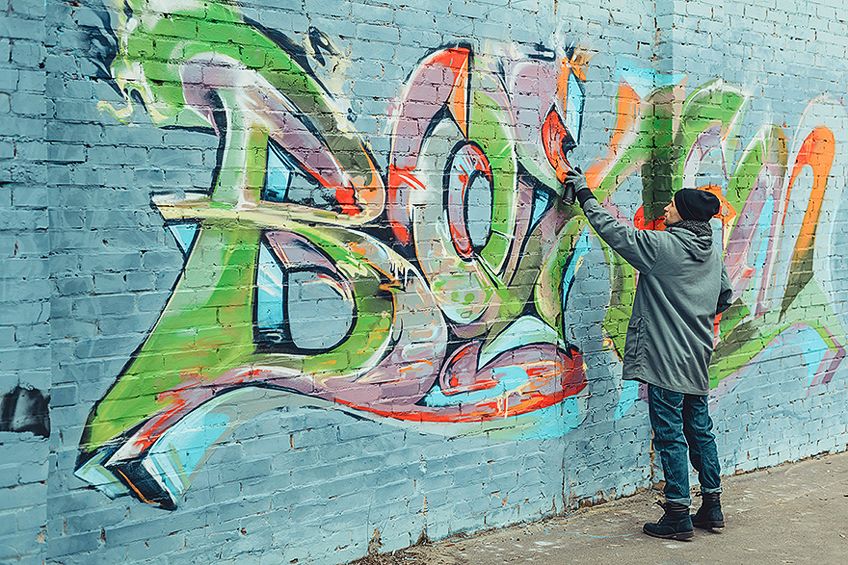
Spray paint art is a type of painting created by spraying different colors and textures of paint onto a surface. It is most commonly used for wall murals and street art, but it can also be used in other forms of artwork such as canvas paintings, sculptures, and even clothing.
The process of spray paint art involves applying layers of different colored paints to a surface in order to create a unique design or image. Artists use various techniques to achieve the desired effect, such as using stencils to create clean lines or freehand painting to get more abstract results. This type of painting goes beyond traditional methods by using new materials and tools that allow the artist to create bold, vibrant pieces unlike anything seen before.
Spray paint art provides artists with an opportunity to explore their creativity in ways that were not possible before. With the right skills and materials, anyone can create stunning works of art without having to worry about traditional supplies such as brushes and paints. The versatility and flexibility of this medium makes it popular among both professional and amateur artists alike – allowing them to express themselves in new ways while creating something truly unique.
Airbrush Art

Airbrush art is a unique form of painting that utilizes compressed air to apply paint onto a surface. Airbrushes are small, handheld tools powered by an electric motor that forces paint through a nozzle at high speed. This allows for the precise application of paint, allowing artists to create detailed images and designs with ease.
The airbrush has been used in various forms of art since the early 20th century, but it wasn’t until the late 1960s that it became popular as an artistic medium. Since then, airbrush art has become widely accepted and appreciated as a legitimate form of art. It is often seen in advertisements, automotive artwork, and even graffiti murals.
Airbrush art can be used to create anything from realistic depictions of people and objects to abstract designs and shapes. It is also commonly used for special effects in movies or television shows, or for creating custom clothing designs. The possibilities with airbrush art are endless – making it a popular choice among professional and amateur artists alike looking for an exciting way to express their creativity.
Encaustic Painting

Encaustic painting is an ancient form of art that dates back to at least the 5th century BC. Encaustic paintings are created by combining heated beeswax and colored pigments, which are then applied to a surface with a brush or other tool. This method of painting has been used by many famous artists throughout history, including Henri Matisse and Jackson Pollock.
Today, encaustic painting is still popular among professional and amateur artists alike. The process involves melting the wax, then mixing it with oil paints, egg yolk, and/or linseed oil to create vibrant colors and textures. Artists can choose from a wide range of colors, allowing them to create stunning works of art that cannot be achieved with any other type of paint or medium.
Encaustic paintings are known for their durability – as the wax hardens quickly upon application, it forms a layer that protects the work from fading or discoloration over time. This makes encaustic paintings great for decorating homes, galleries, or offices – as they will last for many years without losing their vibrancy or beauty. Whether you’re looking for an abstract design or a realistic portrait – encaustic painting offers something unique for every artist.
Sgraffito Painting
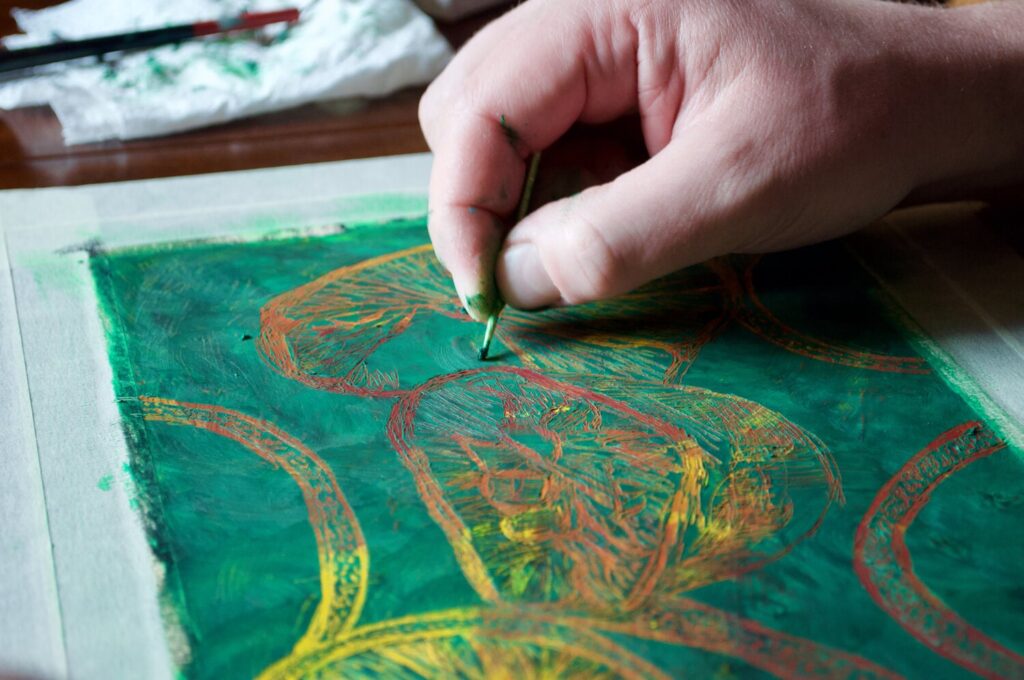
Sgraffito painting is an ancient technique that dates back to the 16th century. It is a unique form of art that involves scratching or etching designs into wet plaster, clay, or other surfaces. This style of painting was commonly used by Italian and German painters during the Renaissance period but can be found all over the world today.
The main advantage of sgraffito painting is that it allows for a great deal of detail in the artwork. By scratching away at the surface, artists can create intricate patterns and designs with ease – something that cannot be achieved using brush strokes or any other type of paint application. Additionally, because this technique does not involve using any sort of paint or pigment, it’s also very cost-effective – making it ideal for those on a budget looking to create beautiful works of art.
While sgraffito painting can take some time to master, it’s relatively easy to learn – even for beginners. Whether you’re looking to create abstract designs or portraits with a lot of detail – sgraffito painting has something for everyone. So if you’re interested in adding some unique flair to your home décor – give this ancient art form a try.
Metallic Painting

Metallic painting is a type of art that uses metallic paints to create shiny and reflective works of art. This style of painting has been around for centuries but has become increasingly popular in recent years due to its versatile nature and unique results. Metallic paints are available in a wide range of colors and can be used to create a variety of effects – from abstract designs to realistic portraits.
The main advantages of metallic painting are the glossy finish they produce as well as their durability. Unlike other types of paint, metallic paints don’t fade or crack over time, meaning your artwork will stay looking vibrant and beautiful for years to come. Additionally, these paints also allow for a greater level of nuance when it comes to shading and blending colors – producing truly stunning results.
If you’re looking for something truly eye-catching, then metallic painting is the way to go. With its reflective qualities and vivid colors, this type of art can help transform any space into something truly magical – perfect for adding a touch of elegance and style to your home or office décor.
Other Artistic Painting Techniques
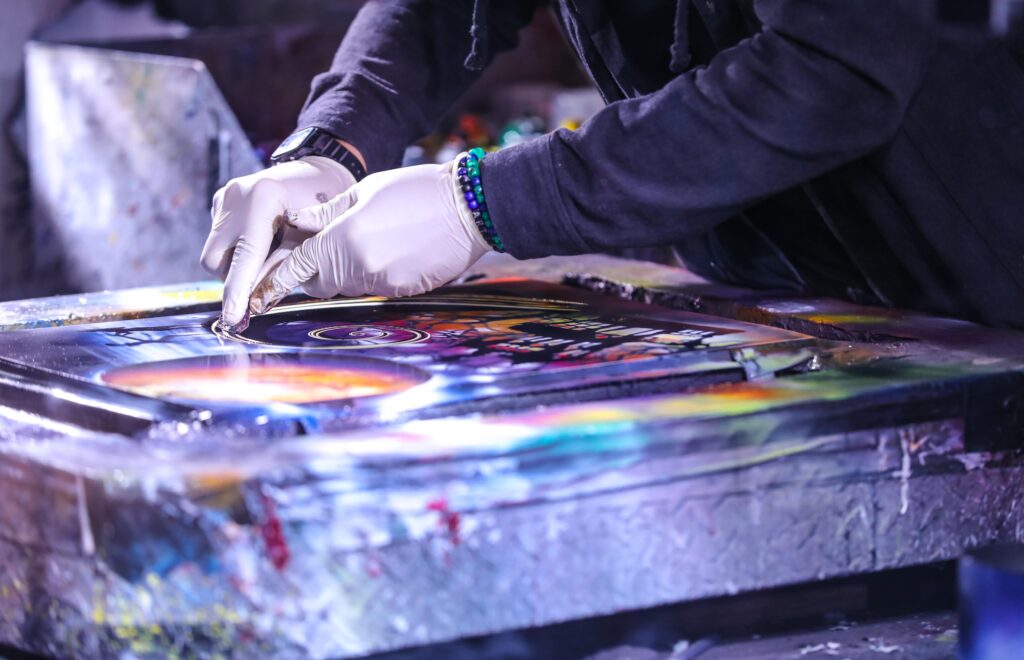
Other artistic painting techniques are those that involve a combination of traditional painting methods with more unconventional or unusual methods. These techniques can range from the use of objects, like feathers and leaves, to create texture in a work; to the application of dry pigments using airbrush technology for a modern look. Many artists also combine traditional painting techniques with digital media to create something truly unique.
Stenciling, pointillism, and palette knife painting are artistic techniques that offer unique ways to create art. Stenciling involves using a pre-designed template, pointillism uses small dots of color to create an image, and palette knife painting creates a textured effect. These techniques can add depth and interest to any painting. Other artistic painting techniques can be used to create dynamic works of art that will stand out from standard pieces – perfect for any collector looking for something truly original.
Stenciling
Stenciling is a type of painting technique that involves the use of a pre-made template or stencil. This template is made out of thin cardboard, paper, or plastic and cut into the desired shape. The artist then paints over the stencil with a brush, sponge, or airbrush. Stencils allow for an efficient way to create repeating patterns and shapes quickly and accurately.
Today, stenciling is often used for decorative purposes in both fine art and commercial applications. Stenciled images can be intricate or simple depending on the complexity of the design. For example, artists might use stencils to create repeating patterns such as geometric shapes or floral designs. Alternatively, they might choose to make more complex images using stencils that have been collaged together from multiple templates. No matter what type of image you wish to create, stenciling can provide an effective way to achieve it.
Pointillism
Pointillism is a unique type of painting technique characterized by the application of small, distinct dots or strokes of paint to create an image. This style of painting, developed in the late 19th century, was pioneered by the French artist Georges Seurat. The process involves carefully placing individual dots or dabs of color next to one another to form an image. The result is an artwork that appears vibrant and alive when seen from afar but can also be appreciated up close for its intricate composition. The beauty of pointillism lies in its ability to create texture, depth, and movement while still retaining a sense of unity within the overall piece.
Palette Knife Painting
Palette knife painting is a unique style of painting that involves using a knife-like tool to apply paint to canvas. This method can create interesting textures and layers in the artwork, which can add depth and drama to the piece. Palette knife painting has been around since the 19th century, but it was not until the 20th century that it began being used as an expressive form of art.
The palette knife is usually made from metal or plastic, with either one flat edge or two opposite edges. It is used to spread thick layers of paint across the canvas, allowing for more creative freedom than traditional brush techniques. This technique also allows for more control over where and how much paint is applied – it’s possible to leave areas with no paint at all or create interesting shapes by dragging the palette knife along in a particular direction.
Palette knife painting offers an exciting way to experiment with color and texture in your artwork. It can be used to create abstract pieces or render detailed objects such as trees, animals, and buildings in a unique way. You could even combine this technique with other styles such as Pointillism for even more interesting results.

Conclusion
Painting is one of the oldest and most enduring forms of art. It can be found in many different cultures and time periods, with a wide range of materials and techniques to choose from. From acrylic paints to oil paints, digital painting, watercolor painting, pastel painting, and even metallic painting – there are many types of painting styles available for artists to explore. Each type has its own unique properties that can be used to create beautiful works of art.
No matter your skill level or preference for subject matter, there is something for everyone when it comes to painting. With so many options available, it’s easy to find an art style that suits your individual needs and helps you express yourself creatively. So grab a brush and some paint, and start creating your masterpiece today.

