


Sculpting is an art form that has existed for centuries, and the techniques used to create beautiful works of art from raw materials are as varied as the sculptures themselves. From ancient Indian sculpture to modern abstract works, sculptors have developed a variety of methods and materials to bring their visions to life. Have you ever wondered how these magnificent creations come together? Read on to learn about the different techniques used in sculpting!
Definition of Sculpture
Sculpture is an art form that involves transforming the material into three-dimensional works of art. This can range from the traditional carving of marble, wood, or stone, to the more modern techniques of welding, casting, and assemblage. Sculpting involves the use of a variety of tools such as chisels, saws, drills, and hammers to shape the material into the desired form. It also includes surface treatments like staining, painting, and sanding for added visual appeal. Sculptures can be made from a wide variety of materials including plastic, metal, solid stone, or clay. Whether it’s an outdoor sculpture or a freestanding sculpture in a gallery space, each piece requires skill and imagination to create beautiful artworks that are sure to capture people’s attention.
Creating a sculpture is an incredibly rewarding art form, as it brings together the skills of the artist and the beauty of the material to create something beautiful that will be admired for years to come. Now let’s explore the different techniques used in sculpting – from traditional carving and welding to more modern methods like assemblage.
Overview of Sculpting Techniques
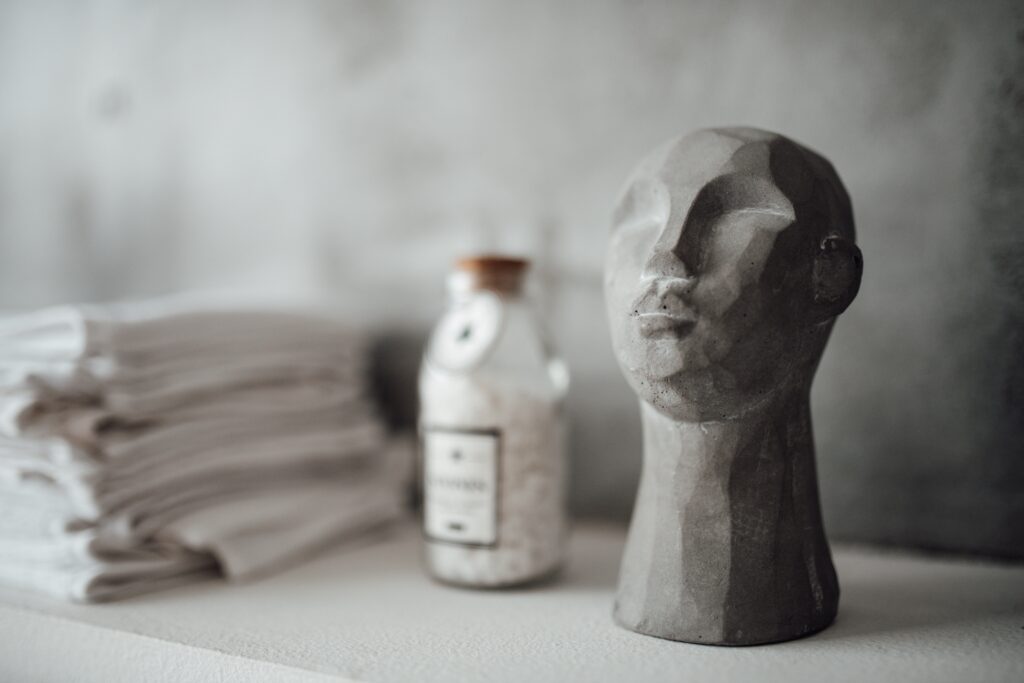
Sculpting is an art form that combines the imagination of the artist with the beauty of raw materials to create three-dimensional works of art. The techniques used for sculpting vary depending on the type of material and desired final product, but some basic techniques remain constant. Traditional materials like marble, wood, stone, and clay are often carved, chiseled, or sanded into shape using metal tools like chisels, saws, and hammers. Welding is also a popular method used to combine smaller pieces of metal into larger sculptures or constructions. Modern methods such as assemblage involve taking existing objects and artistically arranging them to create beautiful sculptures. For example, Indian sculpture is a type of assemblage consisting of small figures made from various materials that are arranged together to form a larger piece.
No matter what type of material is used or the technique employed, each sculpture requires skill and imagination to bring to life. From traditional carvings to finished bronze sculptures, modern kinetic pieces or delicate marble works – each sculpture has its unique beauty that can be appreciated by all who view it.
Types of Materials Used in Sculpture
Sculpture is an art form that has been around for centuries and remains popular today. While there are a wide variety of materials used to create sculptures, some of the most common include wood, metal, clay, stone, plastic, and resin. Each material offers its unique advantages when it comes to sculpting techniques. Wood is a solid material that can be carved and shaped easily with tools like saws and chisels. Metal is often welded or cast into desired shapes. Clay provides a malleable medium for the artist to work with while stone can be sanded or chiseled into shape. Plastic materials are ideal for outdoor sculptures since they require minimal maintenance over time but must be treated with sealants to protect against weathering. Resin is used as an adhesive when creating assemblage sculptures or mixed with other materials to create unique textures. In addition, surface treatments like patinas are applied after the sculpture is finished to give them an aged or weathered look. All of these materials come together to form the beautiful art of sculpture that can be enjoyed by viewers across all ages and cultures.
The sculpture is an art form that has the power to capture and captivate, and it continues to mesmerize those who view it. With such a wide variety of materials used, sculptures can be created in virtually any style imaginable. From wood to metal, clay to stone, and plastic to resin, each material offers its unique advantages when sculpting. Stay tuned for more on the wonders of plastic – you won’t believe what these versatile materials can do!
Plastics
Plastics are a versatile and durable material that is increasingly popular in the art of sculpture. It is lightweight, affordable, and comes in a variety of textures and colors. Plastics can be formed into almost any shape imaginable, allowing for a great degree of creativity when it comes to sculpting. Sculptors can use plastics to create intricate details like eyes or feathers in their work. In addition to their malleability, plastics are also easy to clean and maintain over time, making them an attractive option for outdoor sculptures. Plastics can also be painted or treated with sealants to further enhance their beauty and durability. Whether creating traditional figures or abstract shapes, plastics offer sculptors a range of possibilities when it comes to creating art.
Metals
Metals are a popular choice for sculptors due to their strength and durability. They are often used for large-scale sculptures or outdoor pieces that need to withstand the elements. Metals can be treated with different surface treatments, such as patinas or enamels, to add color and texture to the work. When working with metals, sculptors can use metal tools such as chisels, hammers, files, and saws to remove material from the raw material to create their desired shapes. This process involves a great deal of skill and knowledge of how metal behaves when it is manipulated in this way. Additionally, welding is a common technique used in metal sculpture; welded pieces can be joined together and shaped into beautiful sculptures that stand out among traditional art forms. Metal sculptures have a timeless quality that has been appreciated by many cultures throughout history, making them an enduring part of the art world today.
Stone, Concrete, and Other Solid Materials
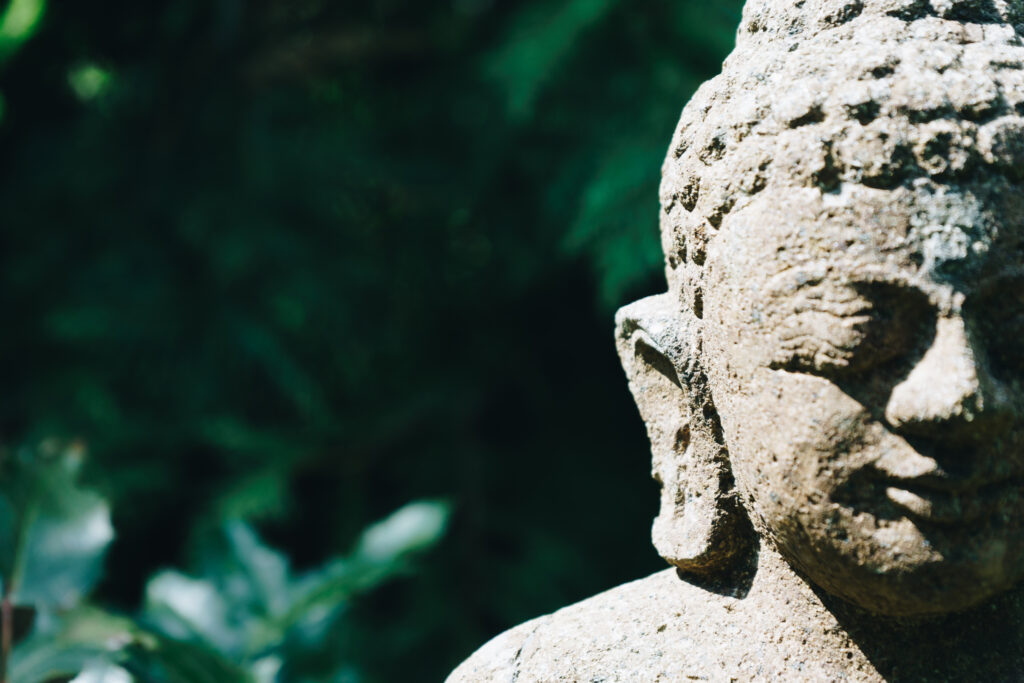
Stone, concrete, and other solid materials are some of the most popular choices for sculptors. These materials allow for a great deal of versatility in terms of size, shape, and form. Stone sculptures have been around since ancient times and can be seen in many cultures, both modern and traditional. Carving stone is a specialized skill that requires patience and precision; however, the results can be breathtakingly beautiful when done correctly. Concrete is often used as a base material to which metal or stone features can be added to create unique works of art. Other solid materials such as wood and glass are also used to create interesting pieces of sculpture, with each material providing its unique properties to the finished product. Sculpture techniques such as casting, welding, or carving are used to mold these materials into the desired shapes before they become finished sculptures.
Wood and Other Natural Materials
Wood and other natural materials such as clay, bone, and ivory have long been used to create beautiful sculptures. Wood may be carved, chiseled, or sculpted using a variety of tools that can range from simple knives to more complex machines. The wood’s grain adds an interesting texture to the sculpture which cannot be replicated with other materials. Clay is also a popular choice for sculpting and can be fired in a kiln to produce a durable material that is suitable for both indoor and outdoor use. Ivory has been used for centuries due to its unique ability to take on intricate detail; however, its use is now discouraged due to the plight of the endangered species from which it originates. Bone can also be sculpted but requires more delicate tools than those used for wood or stone carvings. Natural materials are ideal for creating more organic shapes and structures, making them perfect for depicting nature-inspired forms.
Combination of Materials
The combination of materials can create a unique and interesting form of sculpture. Many artists choose to combine several different materials such as wood, stone, metal, and glass to create something aesthetically pleasing and unique. Combining materials allows the artist to bring together different textures and colors in one work, often resulting in an eye-catching piece that stands out from more traditional sculptures. Additionally, combining different materials makes it possible for sculptures to be both lightweight and durable. For example, a sculpture may use a wooden frame with a layer of stone or metal on top for added strength. This approach also allows for intricate designs which would not otherwise be possible using a single material alone. The art of combining materials into one sculpture is a skillful technique that has been used by sculptors throughout history to create beautiful works of art.
Different Styles of Sculpture
Sculpture is an art form that has been around for centuries. It involves the skillful manipulation of raw materials such as stone, wood, metal, and other plastic materials to create a three-dimensional artwork. Many different styles of sculpture use these materials in various ways and techniques. For example, outdoor sculptures often utilize stone or metal tools to carve the raw material into a desired shape, while indoor sculptures may be cast using solid materials such as bronze or marble. Additionally, surface treatments such as painting or staining can be used to add texture and color to finished sculptures. The art of sculpture also encompasses modern techniques such as kinetic sculpture which uses movement to create an engaging piece of art. Whether it’s Indian sculpture or modern kinetic works, each style offers something unique and beautiful for admirers to enjoy. With so many kinds of sculpture out there, there is no shortage of ways to appreciate this fascinating art form.
Sculpture is truly an amazing art form that has the potential to move us in profound ways. Next, we will take a deeper dive into the rich history and beauty of Indian Sculpture!
Indian Sculpture
Indian sculpture is an ancient art form that has been practiced for centuries. It is renowned for its intricate designs, masterful craftsmanship, and the use of traditional materials such as stone and wood. Indian sculptures can range from small figurines to life-size statues, making them a truly diverse form of art. These beautiful sculptures depict deities, kings and queens, warriors, animals, and more in their stunning detail. The most popular form of Indian sculpture is the Hindu pantheon of gods and goddesses which are often made with bronze or marble for their striking look. Additionally, traditional sculptures may also include freestanding pieces like fountains or garden features that add a unique charm to any outdoor space. Whether you opt for modern or traditional Indian sculptures, they are sure to bring beauty and culture into your home or office decor.
Modern Sculpture
Modern sculpture is a unique art form that has been used to create works of art for centuries. It is known for its ability to capture the imagination and concept of an idea in three-dimensional forms. Modern sculptures typically employ a variety of materials and techniques, such as plastic materials, metal tools, surface treatments, and more. These techniques allow the artist to create sculptures in a range of sizes and shapes with a wide variety of textures and colors. Many modern sculptures are also kinetic pieces, meaning they move or change in some way over time. The art of modern sculpture continues to evolve as artists find new ways to express themselves through this medium. From abstract designs to realistic figures, there are many kinds of contemporary sculptures available today that can add an artistic touch to any home or office space. Whether you’re looking for something abstract or classical in style, the modern sculpture is sure to make a statement no matter where it’s placed.
Traditional Sculpture
The traditional sculpture is an ancient art form that has been used for centuries to create beautiful and meaningful works of art. It is a skillful craft that requires both technical knowledge and creative vision. The materials used in traditional sculpture vary but typically include stone, wood, clay, bronze, marble, or other solid material. This type of sculpting has distinct techniques that have been passed down through generations and are still practiced today around the world. From relief sculptures to full-figure statues, traditional sculptures can be found in many different forms. In India for example, traditional sculptures often depict mythological figures or gods in intricate detail. No matter what kind of sculpture you’re looking for, there are countless styles and techniques to choose from when it comes to traditional sculpting. Whether it’s a freestanding piece or something mounted on the wall, a traditional sculpture is sure to bring beauty and character into any room.
Conclusion
Creating a sculpture is an art form that requires both skill and technical knowledge. With a wide variety of materials and techniques, traditional sculpting has something to offer everyone. From marble statues to metal sculptures, each type of sculpture brings its unique beauty and style to the table. Whether it’s an outdoor piece or a kinetic work of art, traditional sculpture can be used in any setting to add character and elegance. With the right tools and imagination, anyone can become an artist and create meaningful sculptures.

