

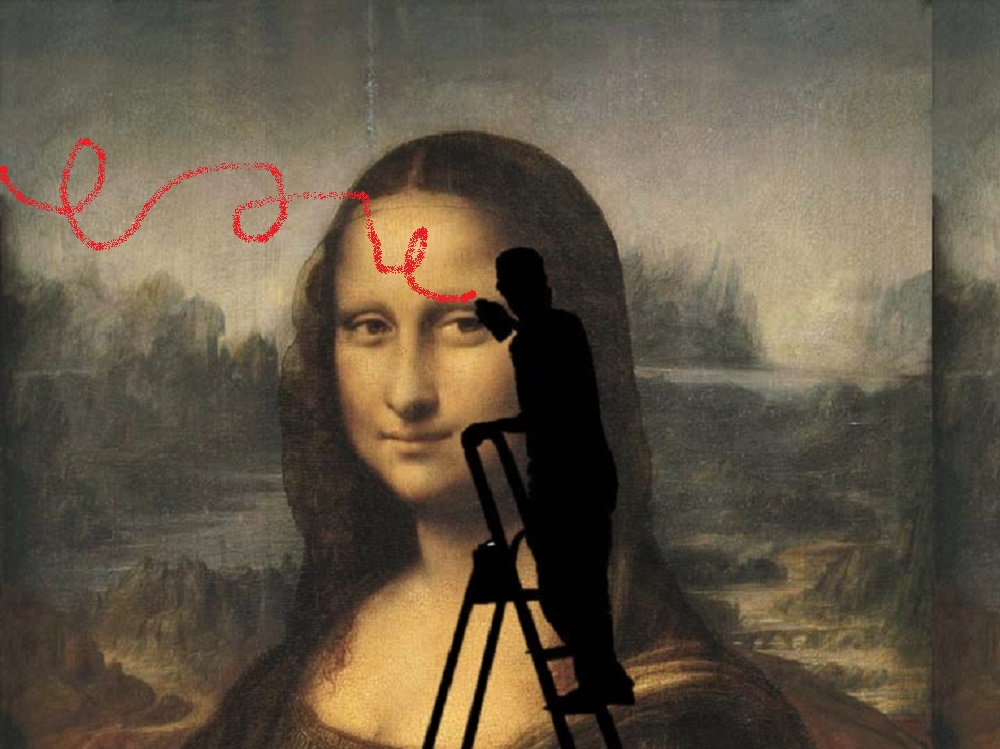
Throughout history, artworks have been cherished symbols of culture and beauty. Unfortunately, there are times when they are attacked by individuals who seek to destroy them. Here we will explore five famous works of art that have been victims of such attacks, including the ‘Mona Lisa’ by Leonardo da Vinci, ‘The Last Supper’ by Leonardo da Vinci, ‘The Night Watch’ by Rembrandt van Rijn, ‘The Rokeby Venus’ by Diego Velazquez and the ‘Baptism of Christ’ by Andrea del Verrocchio. Each artwork is unique and has a fascinating story behind it – from its creation to its attack and subsequent aftermath. So let us delve into this intriguing journey as we discover these five famous artworks that were attacked!
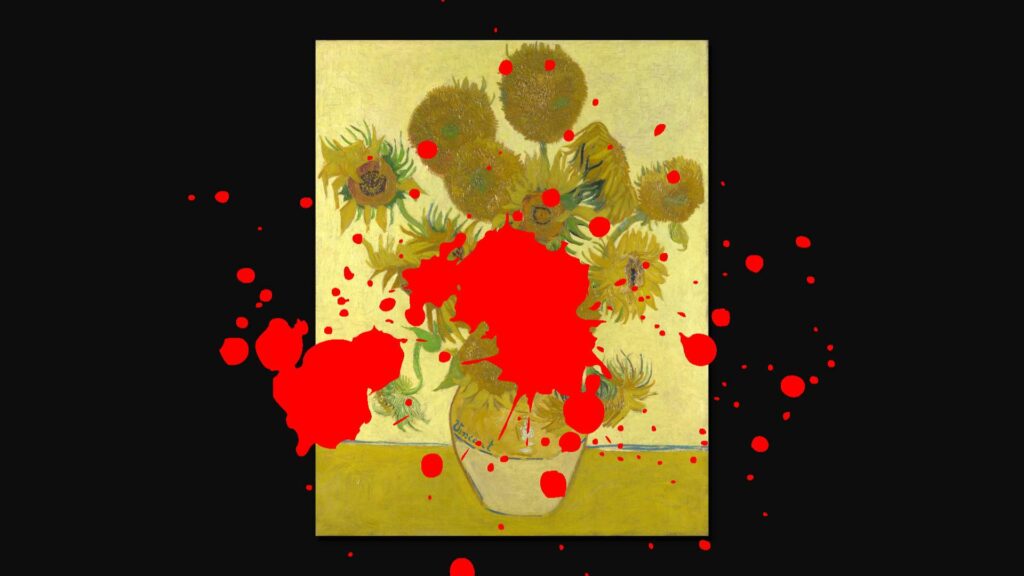
Artwork #1: “Mona Lisa” by Leonardo da Vinci
The ‘Mona Lisa’ by Leonardo da Vinci is one of the most celebrated and iconic works of art in the world. It was painted over 500 years ago, in the 16th century, and has become a symbol of Italian culture. The painting depicts a mysterious woman with an enigmatic smile and has been studied for centuries.
On August 21st, 1956, the ‘Mona Lisa’ was attacked by a 12-year-old boy who threw a small rock at it while on display at the Louvre Museum in Paris. Fortunately, the painting’s bulletproof glass protected it from major damage, but some minor chips were still visible on its surface.
Afterward, many people began to worry about how to protect other paintings from similar attacks. This led to more security measures at all major art galleries around the world such as protective glass and increased surveillance systems.
Today, the ‘Mona Lisa’ is still hanging on display at the Louvre Museum and continues to be admired by millions of visitors each year. Its attack over 60 years ago serves as a reminder of how important it is to preserve our cultural heritage for future generations.
Artwork 2: “The Last Supper” by Leonardo da Vinci
The ‘Last Supper’ by Leonardo da Vinci is one of the most iconic and celebrated works of art in the world. It was painted in the late 15th century and depicts a scene from the Bible where Jesus Christ announces that one of his disciples will betray him. The painting has become a symbol for many religious groups around the world and has been studied by art historians for centuries.
On April 8th, 1997, a Russian woman named Ulla Sella attacked the ‘Last Supper’ with a meat cleaver while it was on display at Milan’s Santa Maria delle Grazie monastery. Fortunately, the painting survived with only minor damage to its surface. However, experts were worried about what lasting effects this attack could have on its preservation.
As a result, security measures at all major galleries around the world were increased and protective glass was placed over famous paintings to prevent similar attacks from occurring again. Today, ‘The Last Supper’ still hangs in Milan’s Santa Maria delle Grazie monastery and continues to be admired by millions of visitors each year. Its attack serves as an important reminder to protect our cultural heritage and preserve these amazing works of art for future generations.
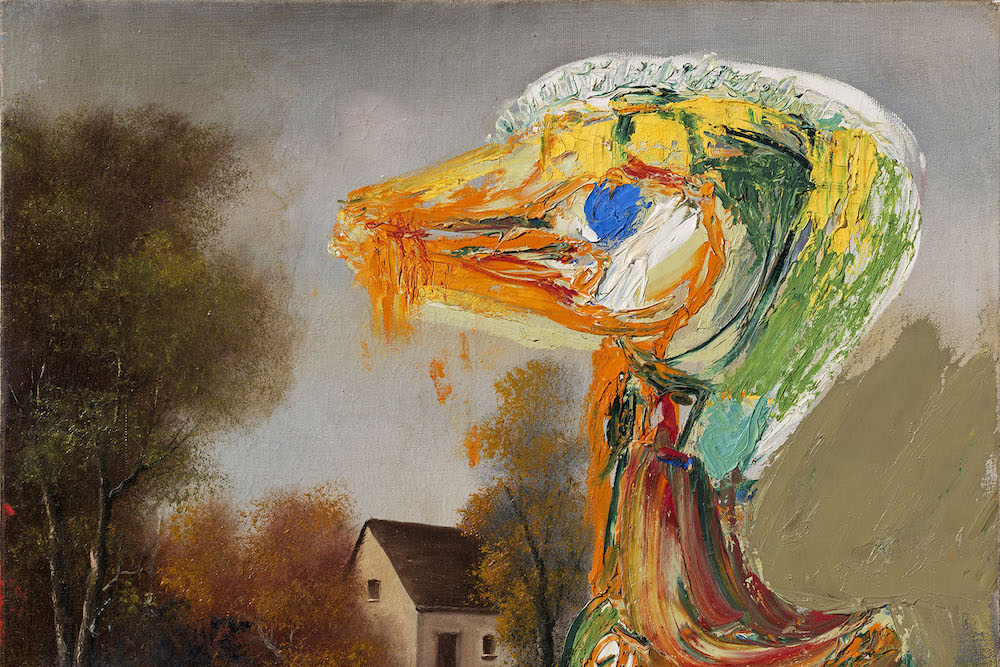
Artwork 3: “The Night Watch” by Rembrandt van Rijn
The Night Watch by Rembrandt van Rijn is one of the most celebrated pieces of art in modern history. It was painted in the 17th century and depicts a group of Dutch militiamen setting out for battle. The painting has become a national icon in the Netherlands and is considered to be one of Rembrandt’s finest works.
On April 18th, 1975, an unemployed schoolteacher named Volkert van der Graaf attacked The Night Watch with a knife while it was hanging in Amsterdam’s Rijksmuseum. Fortunately, the painting survived with only minor damage to its surface. However, experts were worried about what lasting effects this attack could have on its preservation.
As a result, security measures at all major galleries around the world were increased and bulletproof glass was placed over famous paintings to prevent similar attacks from occurring again. Today, The Night Watch still hangs proudly in Amsterdam’s Rijksmuseum and continues to be admired by millions of visitors each year. Its attack serves as an important reminder to protect our cultural heritage and preserve these amazing works of art for future generations.
Artwork 4: “The Rokeby Venus” by Diego Velazquez
The Rokeby Venus by Diego Velazquez is one of the most renowned and beloved works of art from the 17th century. Painted in 1647, this painting depicts the beautiful Roman goddess Venus looking into a mirror. It has been revered for centuries for its lifelike depiction of a beautiful woman and its mythological history.
On March 10th, 1914, Mary Richardson, a suffragette and climate activist, attacked The Rokeby Venus with a meat cleaver while it was hanging in London’s National Gallery. She was protesting against the arrest of Emmeline Pankhurst and caused significant damage to the painting before being apprehended.
Fortunately, conservationists were able to restore The Rokeby Venus back to its original state with minimal losses to its surface. Despite this attack, The Rokeby Venus remains one of the most celebrated works in art galleries around the world and continues to be admired by millions of visitors each year. Its attack serves as an important reminder that we must protect our cultural heritage from those who seek to do it permanent harm.
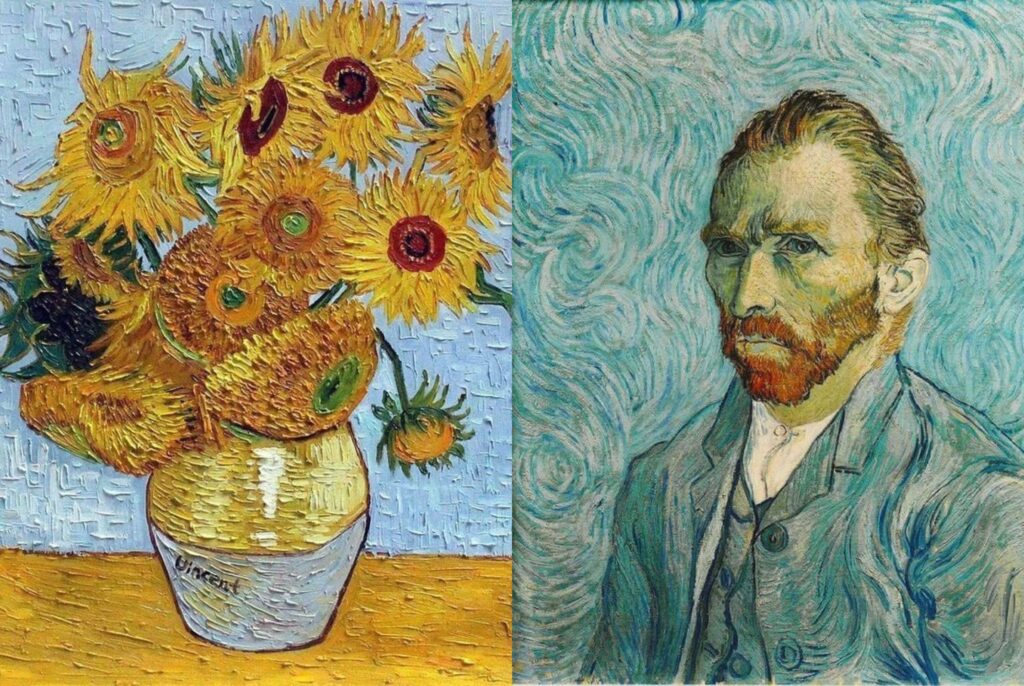
Artwork 5: “ The Baptism of Christ” by Andrea del Verrocchio
The Baptism of Christ by Andrea del Verrocchio is a masterpiece of the early Renaissance period. Painted in 1475, it depicts Jesus Christ being baptized in the River Jordan by John the Baptist. The painting is noted for its vibrant colors and detailed figures, as well as its use of light and shadow to create depth and atmosphere.
In April 2014, a 12-year-old boy vandalized The Baptism of Christ while it was on display at Italy’s Uffizi Gallery. He sprayed tomato soup onto the painting, causing minor damage to some parts of the canvas. Fortunately, due to the protective glass that had been placed over the artwork for preservation purposes, there was no permanent damage sustained to the painting itself.
The Uffizi Gallery responded quickly to this attack and implemented further security measures such as bulletproof glass panels to protect their artworks from future vandalism. This incident serves as an important reminder that we must take steps to ensure our cultural heritage is preserved for future generations.
Conclusion
All in all, it is clear that famous artworks are continuously at risk of being attacked, whether it be by a meat cleaver, spray paint, or other means. Attacks on famous artworks can have devastating results that threaten our cultural heritage and must be prevented at all costs. This is why it is important for galleries and museums to take the necessary steps to protect their artwork from any physical damage. Furthermore, it is also important to educate the public on the significance of these pieces of artwork and how they contribute to our national identity, as well as our global history.

