

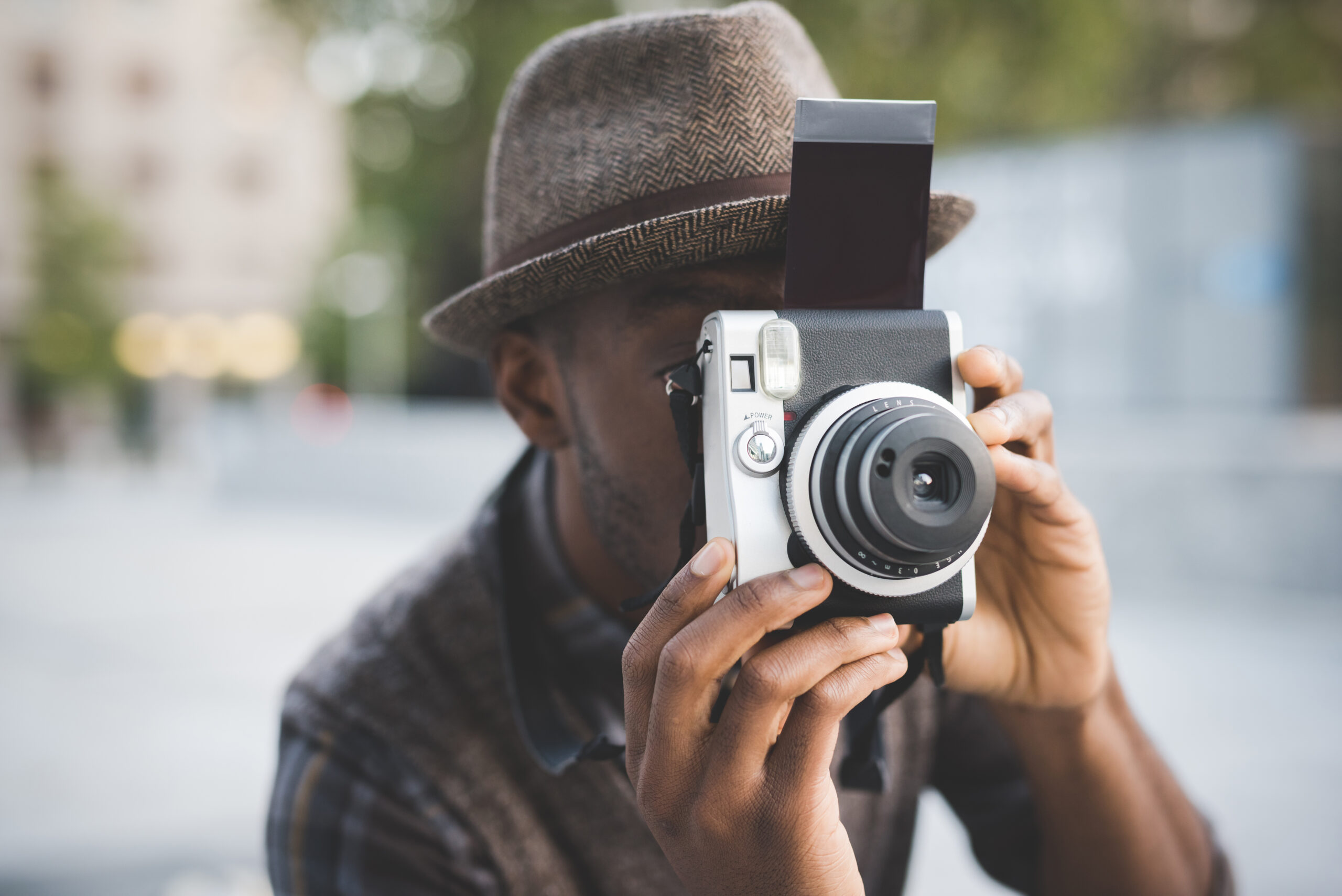
Creating beautiful outdoor portraits is one of the most rewarding endeavors for photographers. From landscapes to family photos, the right light can turn an ordinary photograph into a stunning masterpiece. But, how do you find that perfect light? Whether you’re using natural or artificial light sources, there are certain techniques and methods that will help you get the most out of your outdoor portrait photography. In this article, we’ll explore both natural and artificial lighting options as well as discuss tips for working with each type so that you can create truly captivating outdoor portraits. So grab your camera and let’s get started!
Definition of Outdoor Portraits
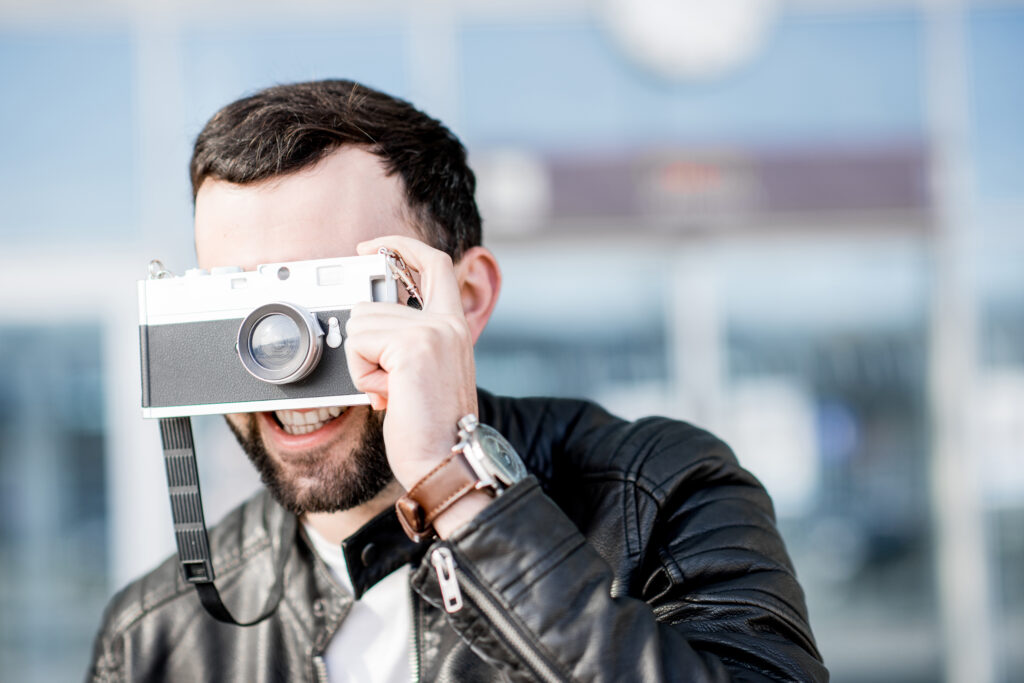
Outdoor portraits are photos taken outdoors in natural or artificial light which capture a person, group, or scene. These types of portraits can range from candid to more formal photographs that have been carefully composed. Outdoor portrait photography is often used to capture special moments such as family reunions and weddings, as well as produce stunning landscapes and cityscapes. To achieve the best possible results when taking outdoor portraits, photographers must consider the environment, available light sources, and other technical factors such as shutter speed and aperture.
Natural Light Photography
Natural light photography refers to the technique of capturing images using only the available natural light without any additional artificial lighting sources. It has many benefits, including cost-effectiveness and a soft, attractive look. However, it is dependent on weather and time of day, and suitable locations are important for quality. Outdoor locations with ample natural light are ideal, and paying attention to direction, quality, and time of day is crucial. The golden hour provides the best lighting, and shadows should be considered when composing the photograph. Overall, attention to detail can produce stunning results.
Advantages and Disadvantages
When it comes to outdoor portrait photography, there are both advantages and disadvantages to using natural light. One advantage is that natural light is often free and abundant, which allows photographers to take photos without the need for additional equipment. Natural light also creates a softer, more flattering look than artificial lighting and can be used to create interesting effects such as backlighting or silhouettes.
On the downside, natural light can be unpredictable and harsh shadows can occur if not used correctly. Also, when shooting outdoors in direct sunlight subjects may experience excessive glare or squinting which can make for unflattering photographs. To get around this, photographers should consider shooting in the early morning or late evening when the sun’s angle is less severe and diffused light is more available. Additionally, external flash or strobe lights may be needed if more control over lighting conditions is desired.
Identifying Suitable Locations for Natural Light Photography
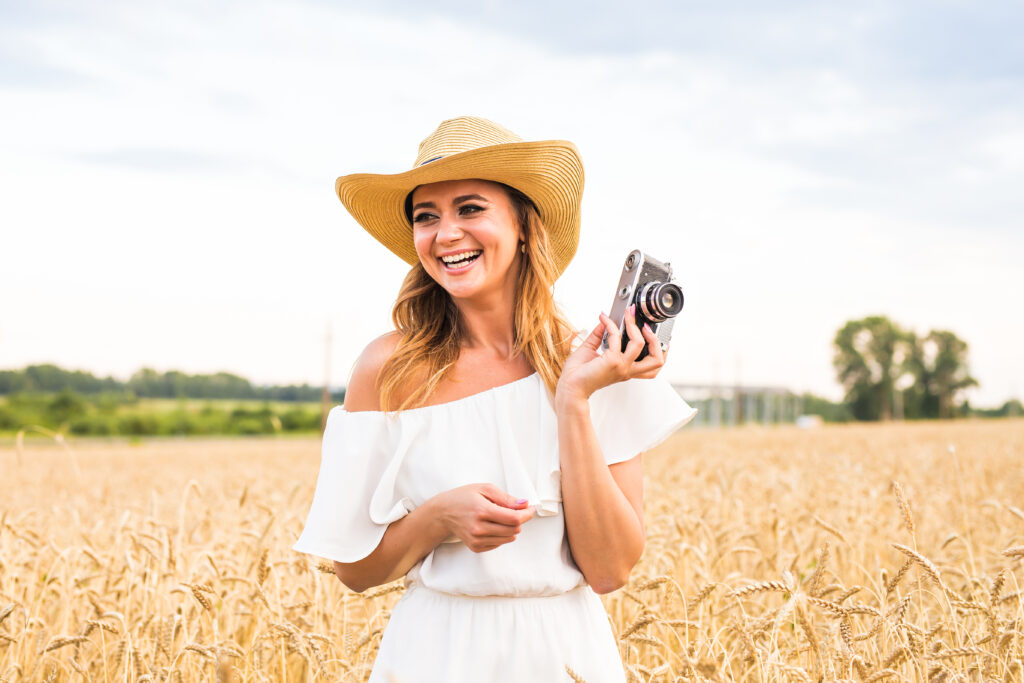
When shooting outdoor portraits, it is important to find a suitable location with the right type of natural light. Photographers should look for areas that are open and provide plenty of ambient light. A good place to start is in an open field or park, where there is enough room to move around and capture the desired lighting angles. It is also important to consider the time of day when looking for a suitable location.
During the early morning and late evening hours, photographers can take advantage of softer light known as “golden hour” or “magic hour”. This type of diffused light can create beautiful warm tones and flattering shadows that will enhance any portrait photograph. Similarly, shooting during sunset time can produce stunning colors and dramatic skies, making it perfect for outdoor portraits. Additionally, clear weather conditions can help create even more interesting shots by allowing sun rays to penetrate through clouds or haze in the sky providing a unique backdrop for your photos.
Tips for Working with Natural Light
When shooting outdoor portraits, it is important to understand the nuances of working with natural light. The most important tip for working with natural light is to be mindful of the direction and angle of the sun’s rays. Shooting directly into the sun will create harsh shadows and overexposed images. To avoid this, photographers should position their subjects at a 90-degree angle in relation to the sun and use a wide aperture to capture more details in the background.
Additionally, a silver reflector can be used to bounce light back onto your subject’s face, reducing dark shadows and providing a softer look. Photographers can also experiment with shutter speed or adjust ISO levels to better control light levels in order to achieve desired results. Finally, it is also possible to combine natural sunlight with additional artificial lighting such as strobes or external flashes for more creative outdoor shots.
Artificial Light Photography
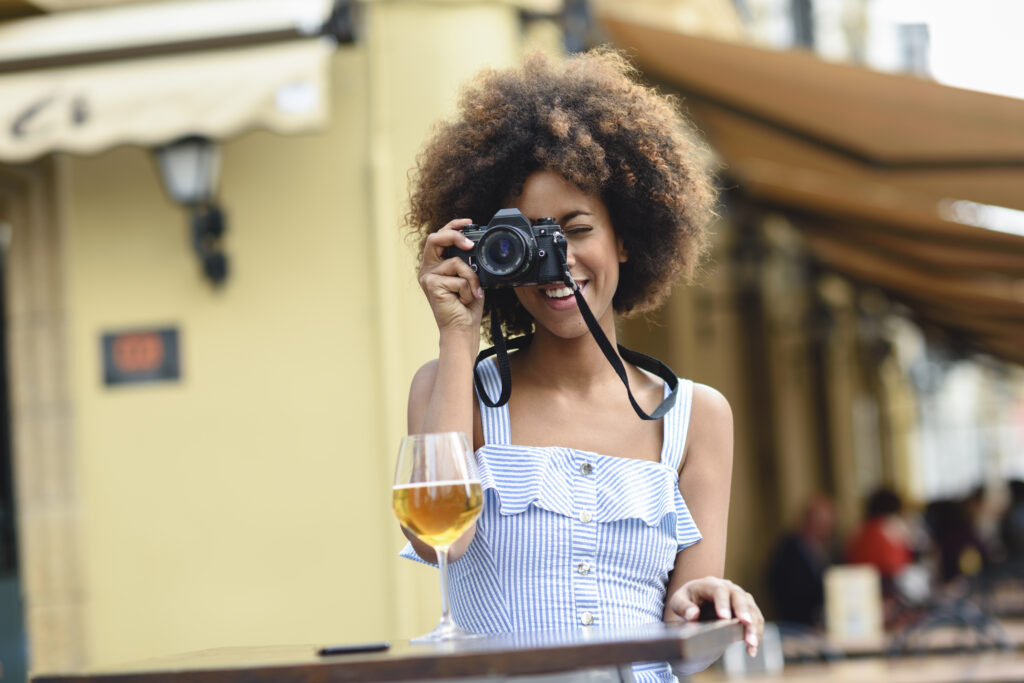
Artificial light photography refers to the use of artificial light sources, such as lamps, flashguns, studio lights, or other lighting equipment, to illuminate a subject or scene during photography. Artificial lighting can be used to create stunning outdoor portraits. It involves using different types of artificial lighting to illuminate a subject or scene. Photographers need a camera with manual settings, a tripod, and lighting equipment such as softboxes, reflectors, and diffusers. Setting up and modifying artificial light sources is crucial to achieving the desired effect. Working with artificial light requires patience, experimentation, and attention to detail.
Understanding Different Types of Artificial Lighting
When it comes to understanding different types of artificial lighting for outdoor photography, it is important to understand the various options available. Strobes, or flash units, can be used to create a directional light source that can be tailored to the needs of the photographer. External flashes are also an option, providing a softer light source than strobes and allowing for greater control over the direction and intensity of light.
Ambient lighting is another type of artificial light source that can be used as a background fill-light in order to add depth and dimension to your images. Finally, silver reflectors provide an effective way of bouncing light onto your subjects in order to reduce harsh shadows or bright spots.
Choosing the Right Gear
When it comes to choosing the proper gear for outdoor portrait photography, the right lenses and camera settings are key. A wide-aperture lens is best for capturing a soft and natural look in your photos. This allows you to create beautiful images with creamy backgrounds and sharp subject matter.
Additionally, using a low ISO will help keep light levels consistent while shooting in changing lighting conditions. A sturdy tripod is another must-have piece of equipment when shooting outdoors to ensure that your images remain sharp and clear. Additionally, investing in an external flash or strobe can be beneficial if you desire to add more directional light to your shots.
Setting Up and Modifying Artificial Light Sources
When it comes to setting up and modifying artificial light sources for outdoor portrait photography, there are several factors to consider. To ensure that your images have a natural look, you should use a soft light source with minimal shadows. Additionally, if you are using strobes or an external flash, be sure to set the power low and use modifiers such as umbrellas and softboxes to create a softer light. Furthermore, it is important to adjust the position of the light source so that it complements your subject’s features and creates flattering shadows. Finally, don’t forget to take into account any ambient lighting in the background of your photos.
Tips for Working with Artificial Light
When working with artificial light for outdoor portrait photography, there are several tips to consider. First, it is important to control the power of the light source so that it matches the natural lighting in the surrounding environment. Additionally, using a wide aperture will help to soften and blur any harsh shadows created by artificial light. Furthermore, you can use a silver reflector to bounce light onto your subject and create a more flattering look. Finally, when shooting in low-light conditions, be sure to adjust your shutter speed accordingly in order to capture sufficient detail without overexposing your images.
Conclusion
In conclusion, finding the right light for outdoor portrait photography can be a challenge. Natural lighting conditions such as direct sunlight, ambient light, and golden hour provide beautiful results with minimal effort. When shooting in low-light conditions or creating more complex lighting setups, additional lighting equipment such as softboxes and external flashes can help to create beautiful images.
Additionally, controlling the power of the light source, using wide apertures to soften shadows, and employing silver reflectors are all excellent techniques for working with artificial light. With the right combination of natural and artificial lighting techniques, photographers can create stunning outdoor portraits that capture the beauty of their subjects in any type of environment.

