

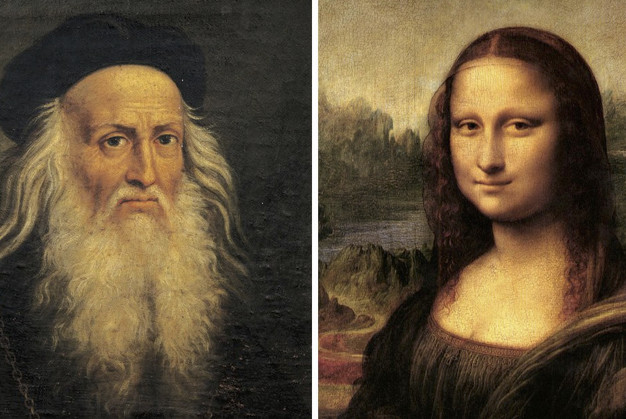
The Mona Lisa has been captivating audiences for centuries with its mysterious eyes, enigmatic smile, and incomparable beauty. Beyond being one of the most recognizable paintings in the world, it is also an icon that has become synonymous with art history itself. But how did this painting become so famous? In this article, we will explore the painting’s unique symbolism and cultural legacy to answer why the Mona Lisa has inspired such admiration throughout the centuries.
History of the Painting
The Mona Lisa is a famous painting by Leonardo da Vinci, created in the early 16th century. It depicts a woman believed to be Lisa Gherardini, but there are theories about her true identity. The painting has changed hands numerous times and is now owned by the French government and housed in the Louvre Museum in Paris. Despite the mystery surrounding the subject’s identity, the painting remains an iconic work of art.
Creation by Leonardo da Vinci
Leonardo da Vinci is widely regarded as one of the greatest artists of all time, and his masterpiece, the Mona Lisa, is a testament to his skill. The painting was created in the early 16th century by Leonardo da Vinci while he was working in Florence. Within the portrait lies the image of Lisa Gherardini, spouse of Francesco del Giocondo, an affluent silk merchant native to Florence. Leonardo used a technique known as an aerial perspective to make the painting appear more realistic than other paintings at the time.
He also employed an innovative sfumato technique which involved blending colors together to create soft edges and shadows. Leonardo spent four years completing the painting and it has since become one of the most iconic works of art in history due to its mysterious nature and subtle smile.
Ownership Over Time
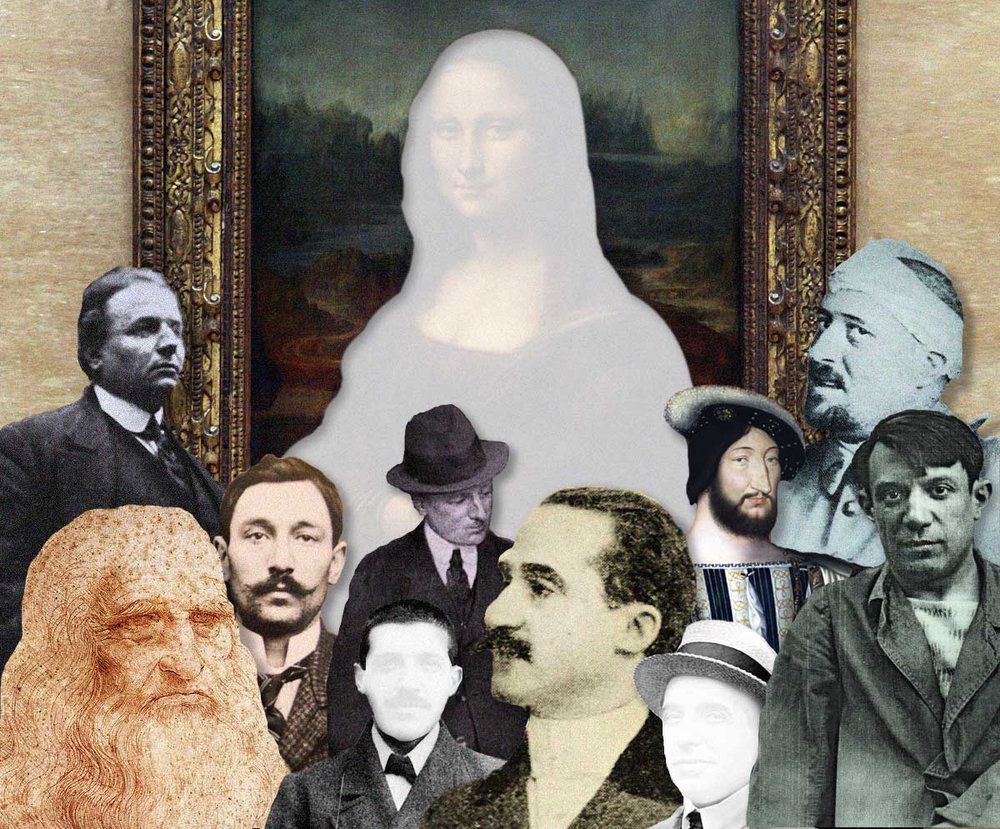
The Mona Lisa has been passed through many hands since its creation by Leonardo da Vinci. It was bought by a Florentine art dealer, Giorgio Vasari, in 1516 and then acquired by the King of France, Francis I, in 1517. After becoming part of the French royal collection, it was moved around various royal residences before ending up in the Louvre Museum in 1797. In the 19th century, it became a popular attraction and gained even more fame after being stolen from the Louvre in 1911. The thief was eventually caught and the painting returned to its rightful place in 1913. During World War II, it was removed from Paris for safekeeping and put on display at several locations throughout Europe.
In 1962, the painting was given to the Republic of France as a gift from Italy’s Prime Minister Amintore Fanfani. Today, it is one of the most popular attractions at the Louvre Museum and is seen as an emblem of French culture and art. Its fame continues to grow with each passing generation as people around the world marvel at its beauty and mystery.
Theories About Who Mona Lisa is Modeled After
Theories abound as to who Mona Lisa is modeled after. Some believe that the model is Lisa Gherardini, the wife of Francesco del Giocondo. Others argue that the painting was based on an Italian carpenter or Leonardo da Vinci himself. Evidence for this latter theory includes the fact that many of da Vinci’s characteristics can be seen in the painting, including his use of aerial perspective and his distinctive style of hands and facial features.
One popular theory suggests that Mona Lisa’s identity remains a mystery because she may not even exist as a real person. It has been proposed that da Vinci painted her using carefully chosen bits and pieces from different sources, combining them into one image to create a unique figure.
Analysis of the Painting’s Uniqueness
The Mona Lisa painting is known for its unique features, including the use of light and color through the sfumato technique, the subject’s enigmatic smile and asymmetry, and the inclusion of symbolic elements such as a winding road and bridge. These elements contribute to the painting’s mystery and allure.
Use of Light and Color
The use of light and color in the Mona Lisa is key to its iconic status. Leonardo da Vinci employed a sfumato technique, which combines light and dark tones to create a hazy quality that adds to the painting’s mysterious nature. This technique also highlights the subtle changes in Mona Lisa’s facial expression, creating an enigmatic gaze that captivates viewers.
Additionally, the contrast between warm and cool colors creates a sense of depth, making her appear almost alive on the canvas. The way Da Vinci used light and color gives this piece of art an undeniable presence and contributes to why it has become one of the most famous paintings in history.
Unusual Facial Features and Asymmetry
The Mona Lisa has become one of the most recognizable works of art in the world, and her facial features are a big part of that. The painting is known for its unusual facial features, which include an unusually large head and eyes, a subtle smile, and an asymmetrical face. This combination gives her a unique look that has been studied by many art historians over the years.
Her left elbow is also slightly raised, making her appear to be looking at something off the canvas. These features combined with Da Vinci’s masterful use of light and color create a captivating image that has remained iconic for centuries. The mysterious nature of Mona Lisa’s facial features adds to why she is arguably one of the most famous pieces of art ever created.
Symbolic Elements
The Mona Lisa is renowned for its symbolic elements, which may have been added by Leonardo Da Vinci himself. While the painting’s subject, Lisa Gherardini, was a real woman in 16th-century Italy, art historians believe that the painting may contain more than just a portrait of her. For example, the background of the painting features mountainous terrain and a bridge that scholars interpret to symbolize the transition from life to death.
The subtle smile on Mona Lisa’s face has also been interpreted as either a sign of contentment or an indication that she is wryly aware of her mortality. Additionally, some art historians theorize that Mona Lisa’s clothing contains hidden symbols such as lilies and pomegranates which are thought to be representative of fertility and marriage respectively.
Significance of the Mona Lisa
The Mona Lisa is a famous painting by Leonardo da Vinci that depicts a woman believed to be Lisa Gherardini. Its enigmatic smile and ability to captivate viewers have made it a symbol of beauty, mystery, and intrigue. It has been compared to other famous works of art but its uniqueness lies in its cultural legacy and influence on art and culture. The painting continues to inspire artists and art lovers around the world and is considered one of the most important works of art in history.
Cultural Legacy of the Painting
The Mona Lisa is one of the most iconic paintings in history, and its cultural legacy is vast. The painting has been referenced and imitated countless times throughout the centuries, appearing in films, music, literature, and even video games. Its mysterious subject has captivated audiences for generations, inspiring a range of interpretations from scholars and artists alike.
For many people, it is seen as a representation of beauty and femininity; for others, it serves as an allegorical symbol of life’s impermanence or a reminder of human mortality. Regardless of how it is perceived or interpreted, the Mona Lisa continues to have a profound impact on popular culture today. It remains an enduring testament to Leonardo da Vinci’s technical brilliance and a timeless work of art that will continue to inspire future generations for generations to come.

Comparisons to Other Famous Works of Art
The Mona Lisa is one of the most famous paintings in the world, and it has often been compared to other equally iconic works of art. While unmistakably different from its peers, the Mona Lisa shares many similarities with other classic masterpieces like Michelangelo’s Sistine Chapel ceiling and Raphael’s School of Athens fresco. Like these two works, the Mona Lisa employs a combination of linear perspective and aerial perspective that creates a sense of depth and spatial harmony.
Additionally, it utilizes subtle gradations in color to create a gentle atmosphere that evokes a feeling of introspection and contemplation. Furthermore, each painting immortalizes its respective subject: while Michelangelo depicts God creating Adam, Raphael captures an assembly of classical Greek philosophers, and Leonardo paints a portrait of an unknown woman. Although all three paintings differ in style and composition, they remain united by their shared ability to capture the beauty and human emotion on canvas.
Conclusion
The Mona Lisa is one of the most iconic works of art in the world and its fame has been steadily growing for centuries. It was created by Italian Renaissance artist Leonardo da Vinci, and it depicts a mysterious woman that has been widely speculated to be Lisa Gherardini or Lisa del Giocondo. The painting’s fame is due to a combination of factors, such as its subtle use of color and perspective, its mysterious subject matter, and its long history as an object of fascination for kings and art dealers alike. Today, the Mona Lisa hangs in the Louvre Museum in Paris and continues to draw thousands of visitors every year who are curious to discover why this painting has become so famous.

